

Audio By Carbonatix
For many traders selling food, water, and everyday items along the busy Sogakope checkpoint on the Accra–Aflao highway, the presence of officers from the Ghana Immigration Service (GIS) has become more than a security measure it is a vital source of livelihood.
Every day, dozens of vehicles slow down or stop at the checkpoint, providing a steady flow of customers for hawkers who rely on the brief moments drivers and passengers spend there.
While security checkpoints often generate mixed reactions within communities, traders at Sogakope say the immigration presence has actually boosted their daily sales.
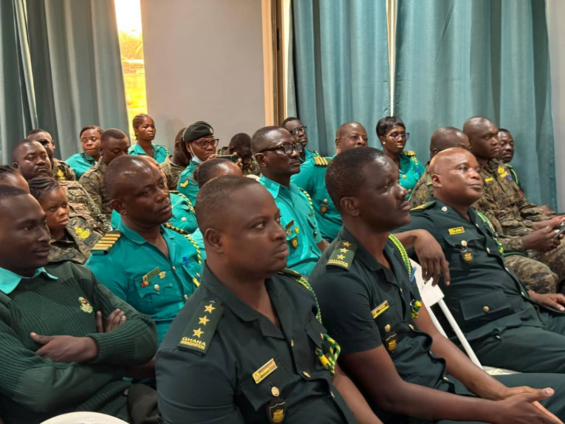
Beyond the economic benefits, the Immigration Service is taking steps to repair strained relations between officers and the communities they serve.
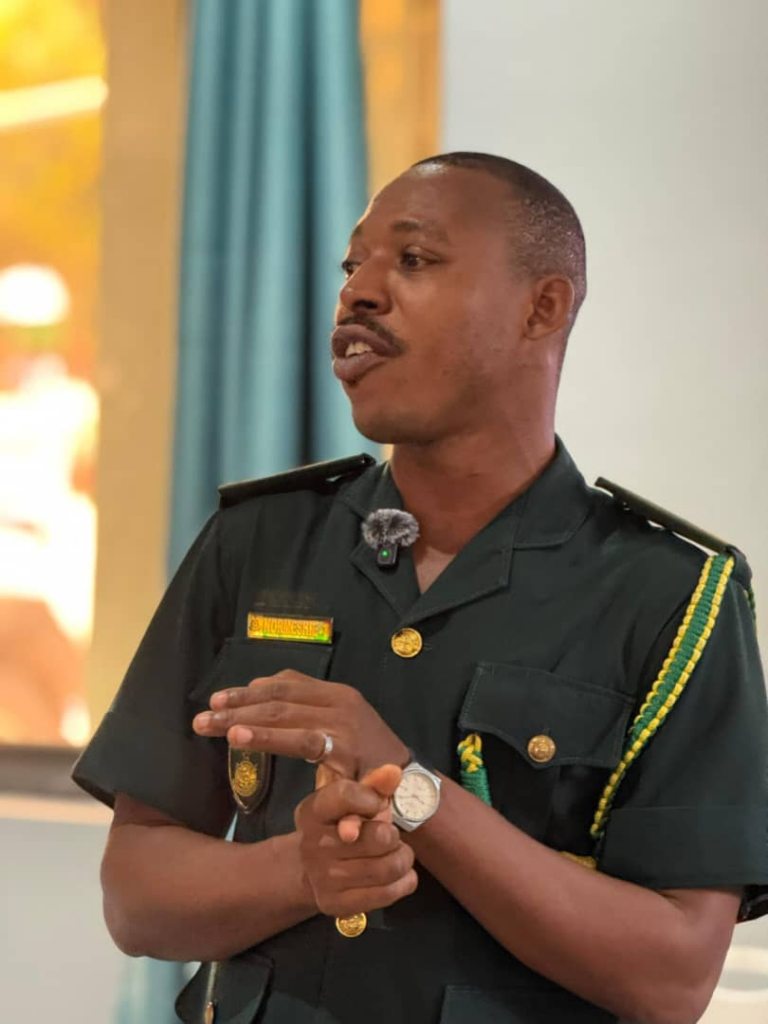
Officer in charge of the Anti-Trafficking in Persons Unit at Aflao, DSI Justice Kudzo Normeshie, explained that internal research by the Service revealed a growing gap in trust between some officers and community members.
“Effective border security cannot be achieved without the support and cooperation of people living and working around checkpoints. We have come to understand that we cannot do it alone,” he said during a training programme for immigration officers.
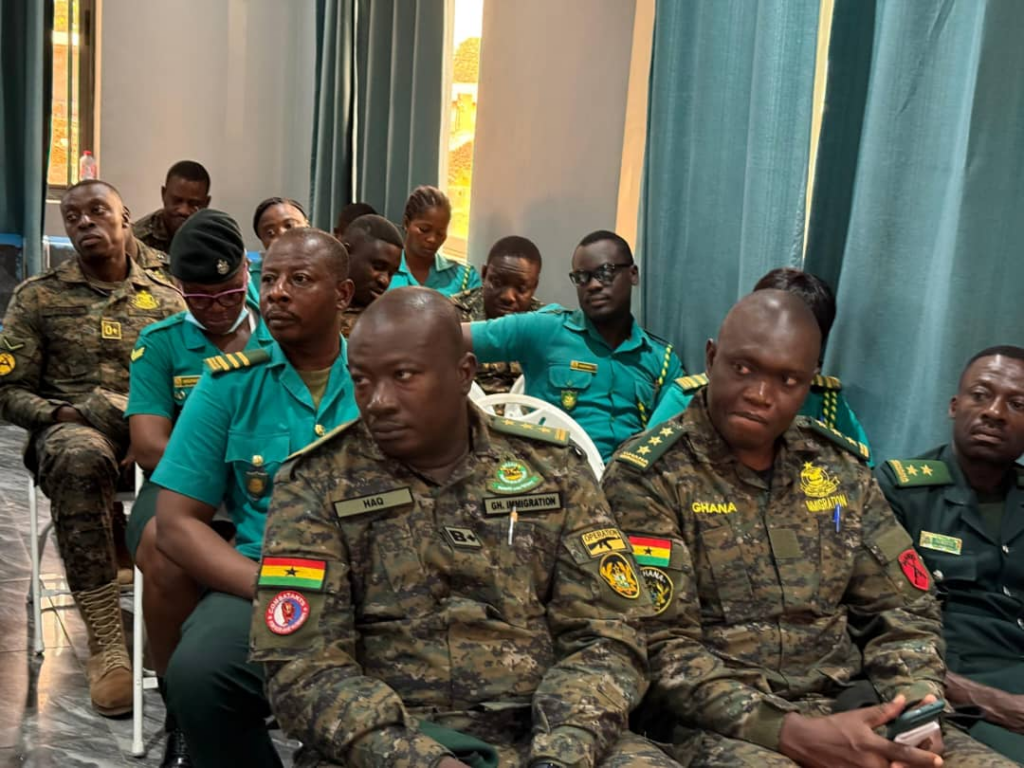
The training focused on improving interactions with drivers, passengers, traders, and residents along major entry routes, particularly high-traffic areas such as Sogakope. Participants were guided on best practices in handling motorists, engaging passengers respectfully, and strengthening cooperation with communities along border corridors.
DSI Normeshie acknowledged that misunderstandings sometimes arise between officers and the public but stressed the importance of resolving such issues peacefully.
“Though we are human and misunderstandings may occur, we must settle our differences amicably to ensure peace and security in the country,” he said.
The Sogakope Commander, DSI Awal Bukari, also emphasised the importance of maintaining good relations with residents in communities where officers are posted. He noted that strong ties with local communities make the work of immigration officers easier and promote peaceful coexistence.
For hawkers at the checkpoint, that cooperation is already making a tangible difference. Many traders say the brief stopovers by vehicles during routine checks provide crucial opportunities to sell snacks, drinks, and other items. Some even hope the officers remain stationed there permanently, noting that the checkpoint has evolved into a small but important marketplace supporting their families.
As the Ghana Immigration Service intensifies training for officers across border communities, the aim is to rebuild trust, improve professionalism, and strengthen collaboration with people whose daily lives intersect with national security operations.
For traders along the Sogakope stretch of the highway, that partnership represents both safety and survival.
Latest Stories
-
Let The Constitution direct Chieftaincy to deliver “All Development Is Local”
52 minutes -
John Jinapor outlines renewable energy, nuclear power priorities for 2027
1 hour -
Ghana explores centre of excellence for hearing, communication and cochlear implant care
2 hours -
Schizophrenia-related disorders lead mental health cases recorded in Ghana
3 hours -
Dutch authorities enlist Ghana in hunt for fugitive drug lord Bolle Jos
3 hours -
Ghana housing finance conference adopts communiqué to improve affordable housing access
7 hours -
Special Initiatives Minister urges Wa Technical Institute to enrol more girls as EU-backed solar training lab opens
8 hours -
In the matter of my first year at the Bar
8 hours -
ActionAid Ghana calls for an end to child marriage, greater investment in girls’ rights
8 hours -
Newsfile to tackle World Cup visa scandal, beach demolitions, education strikes, BRICS bid
9 hours -
UK-Ghana Trade & Investment Summit: Trade Resource Centre to help businesses maximise UK-Ghana trade opportunities
9 hours -
Embassy of Denmark celebrates World Maritime Day
9 hours -
Linking LEAP to productive inclusion could cut extreme poverty by 2030 – UNICEF
10 hours -
Trade Ministry backs use of creative arts to rehabilitate prison inmates
10 hours -
Negotiations with government to continue despite strike suspension – GNAT
10 hours