

Audio By Carbonatix
The Volta Regional Commander of the Ghana Immigration Service, DCI Peter Yao Nkrumah, has called on residents of border communities to support immigration officers—particularly women—in efforts to combat human trafficking.
He said immigration personnel, especially female officers, are at the forefront of efforts to protect vulnerable groups such as women and children, stressing that modern security threats have become “asymmetric” and require stronger collaboration between security agencies and the public.
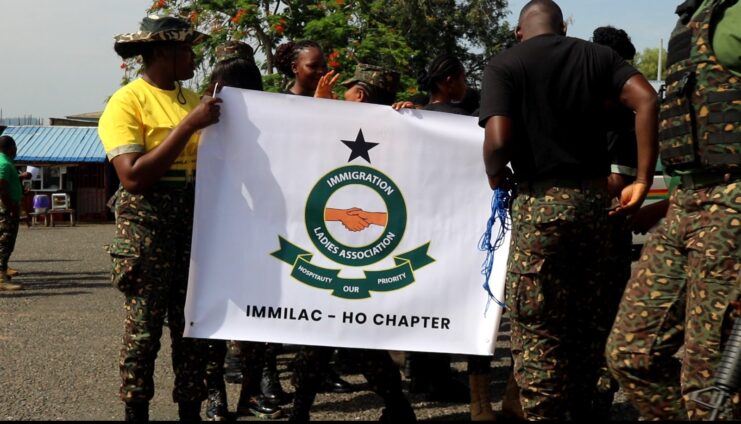
Mr Nkrumah made the remarks during a blood donation and eye screening exercise held to mark the climax of activities for the launch of the Immigration Ladies Association (IMMILAC), Volta Chapter. The event was held under the theme: “Be a Hero, Save a Life, Check your Vision, Protect your Future.”
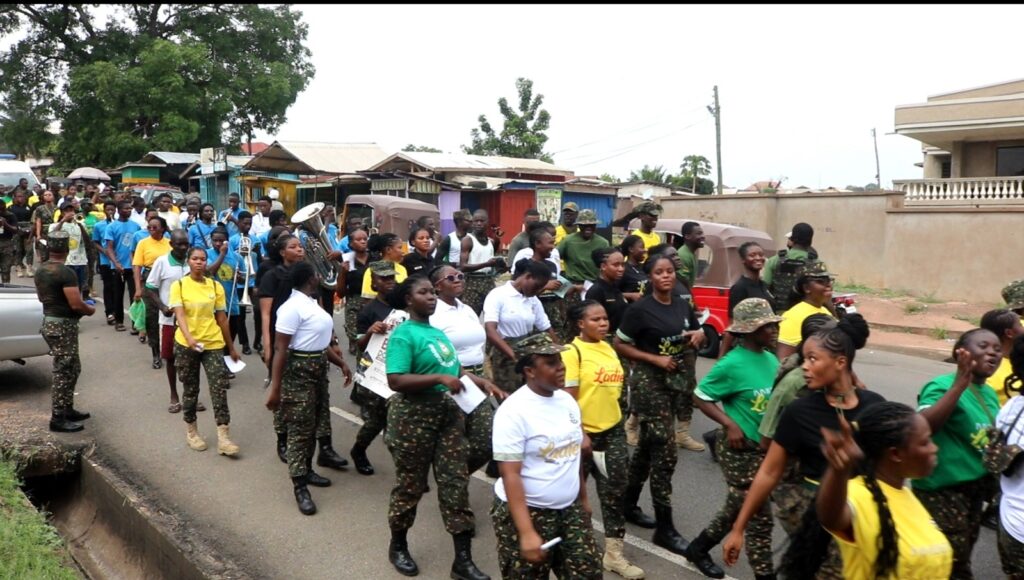
The week-long activities included a float and clean-up exercise through the principal streets of Ho, with participation from both female and male officers. The programme concluded with a blood donation drive and free eye screening exercise, supported by the Ho Teaching Hospital.
Addressing concerns about immigration checkpoints at Asikuma and Sogakope, Mr Nkrumah clarified that the checkpoints are intended to strengthen national security and protect lives, and not to harass citizens or undermine traditional authorities. He called for continued support from chiefs and residents.
The Blood Programmes Coordinator at the Ho Teaching Hospital, Phanuel Mordzifa, underscored the importance of voluntary blood donation, noting that blood remains irreplaceable in medical care. He added that second-cycle institutions contribute a significant proportion of Ghana’s blood supply, warning of increased pressure on blood banks during school holidays.
The Volta Regional Representative of IMMILAC, Superintendent Lauriel Owusu, said the decision to end the celebrations with a blood donation exercise reflected the association’s commitment to lifesaving initiatives. She encouraged the public to donate blood and dispelled misconceptions surrounding the practice, adding that IMMILAC would continue to undertake similar interventions to support society.
Latest Stories
-
Let The Constitution direct Chieftaincy to deliver “All Development Is Local”
52 minutes -
John Jinapor outlines renewable energy, nuclear power priorities for 2027
1 hour -
Ghana explores centre of excellence for hearing, communication and cochlear implant care
2 hours -
Schizophrenia-related disorders lead mental health cases recorded in Ghana
3 hours -
Dutch authorities enlist Ghana in hunt for fugitive drug lord Bolle Jos
3 hours -
Ghana housing finance conference adopts communiqué to improve affordable housing access
7 hours -
Special Initiatives Minister urges Wa Technical Institute to enrol more girls as EU-backed solar training lab opens
8 hours -
In the matter of my first year at the Bar
8 hours -
ActionAid Ghana calls for an end to child marriage, greater investment in girls’ rights
8 hours -
Newsfile to tackle World Cup visa scandal, beach demolitions, education strikes, BRICS bid
9 hours -
UK-Ghana Trade & Investment Summit: Trade Resource Centre to help businesses maximise UK-Ghana trade opportunities
9 hours -
Embassy of Denmark celebrates World Maritime Day
9 hours -
Linking LEAP to productive inclusion could cut extreme poverty by 2030 – UNICEF
10 hours -
Trade Ministry backs use of creative arts to rehabilitate prison inmates
10 hours -
Negotiations with government to continue despite strike suspension – GNAT
10 hours