

Audio By Carbonatix
IMF Mission Chief for Ghana, Dr. Ruben Atoyan, has revealed that Ghana will have access to the final tranche of US$318 million immediately after July 27, 2026.
This is subject to the IMF Board approving Ghana’s sixth programme review.
Dr Atoyan noted that "as soon as the board approves Ghana’s final programme, the next day, I will move to sign the payslip for the funds to be released."
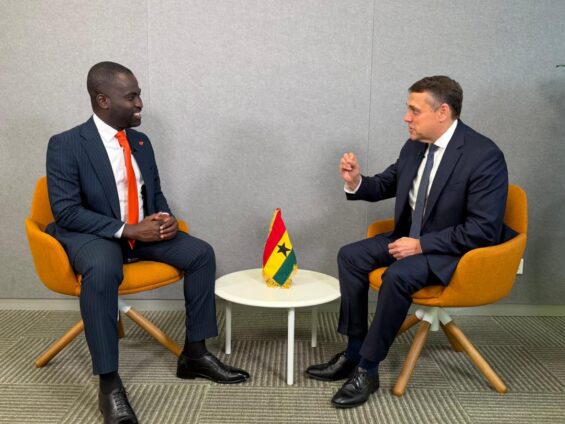
The IMF Mission Chief disclosed this on PM EXPRESS Business Edition with host George Wiafe on May 21, 2026.
He confirmed that IMF staff will present a comprehensive report on Ghana to the Board for approval of the sixth programme review.
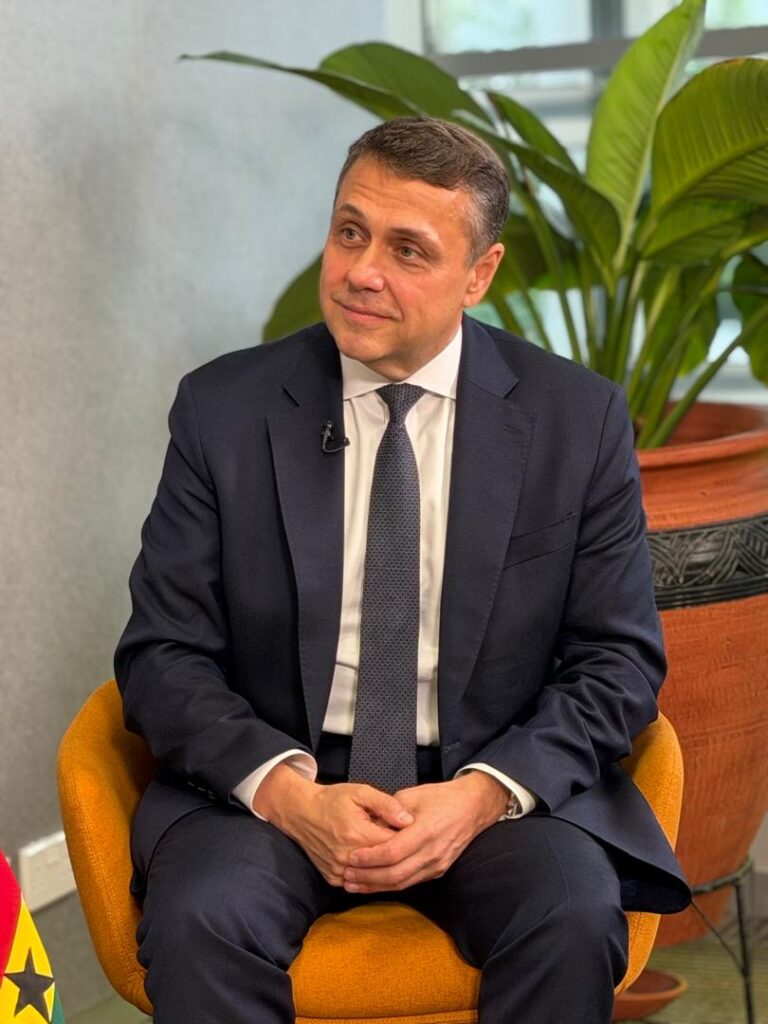
Dr Atoyan explained that once the Board approves the report, the final tranche of more than US$318 million under Ghana’s bailout programme is expected to hit the account of the Bank of Ghana.
The Mission Chief clarified that Ghana’s Extended Credit Facility (ECF) programme has not officially ended despite the recent staff level agreement reached in Accra.
Disbursement under the ECF programme
Since Ghana signed onto the IMF programme in May 2023, the country has received about US$2.8 billion as of December 2025.
If Ghana successfully passes the sixth review and receives the final tranche, the total amount secured under the Extended Credit Facility programme since signing on could reach US$3.2 billion.
The majority of these funds have gone a long way in supporting projects identified in the 2025/2026 budget.
Unlike previous programmes that focused on supporting the Bank of Ghana’s reserves, funding under the current programme was directed toward projects identified in the national budget.
According to the IMF, Ghana’s ECF programme has delivered substantial stabilisation gains driven by strong reform efforts and significant progress in public debt restructuring. These efforts have contributed to sharply lower inflation, stronger external buffers, improved confidence in the cedi, and significant gains in debt sustainability.
The Mission Chief stated that there have also been improvements in the debt trajectory, creating fiscal space to advance development objectives while preserving the hard won stabilisation gains.
He also maintained that sustaining these gains depends on strong implementation of ambitious public financial management and structural reforms aimed at mitigating risks associated with contingent liabilities.
Latest Stories
-
BoG cautions public against 20 unlicensed mobile loan apps
1 minute -
Mahama urges tougher enforcement of building regulations over recent collapses
5 minutes -
FWSC denies reports of salary deductions for striking teachers
9 minutes -
Rooted like a tree, responsive like a river: Dr Amin Adam calls for new model of Imamship to meet modern realities
17 minutes -
La Traditional Council secures suspension of SSNIT’s La Pleasure Beach redevelopment plans
22 minutes -
Joy FM listeners support mother seeking treatment for 3-year-old daughter after alleged sexual abuse
26 minutes -
German Unity Day celebrated with music, art and Ghana-Germany friendship in Accra
29 minutes -
MEHSOG and GFD build capacity of Ashanti Region journalists on inclusive disability reporting
30 minutes -
A woman should not have to choose between being fed and being safe
35 minutes -
“Wontumi doesn’t like where he is”– Palgrave Boakye
44 minutes -
The Labadi shoreline demolitions: Who owns the beach?
54 minutes -
Cedi will continue to be stable – Deputy Finance Minister
55 minutes -
Minority urges full probe into World Cup visa allegations after Ampofo Ankrah’s removal
55 minutes -
Asiedu Nketiah backs greater church role in running mission schools
58 minutes -
Galamsey activities redirect Mankran Stream, destroy farms, and threaten flooding in Okroase
1 hour