

Audio By Carbonatix
Former Deputy Minister of Lands and Natural Resources, Akwasi Konadu, has warned that the future of Ghana’s fight against illegal small-scale mining, popularly known as galamsey, looks “bleak” due to what he describes as state complicity in the sector.
Speaking on the Joy Super Morning Show on Monday, February 9, Mr Konadu cautioned that those attempting to curb illegal mining face significant personal risk.
“Where now you have a state that is so complicit, very complicit in regularizing illegal activities in this country, then it becomes very scary. It becomes so scary to the extent that even for you who is trying to fight it, you must be very careful as to how you go about it because it can even endanger your wellbeing and your life,” he said.
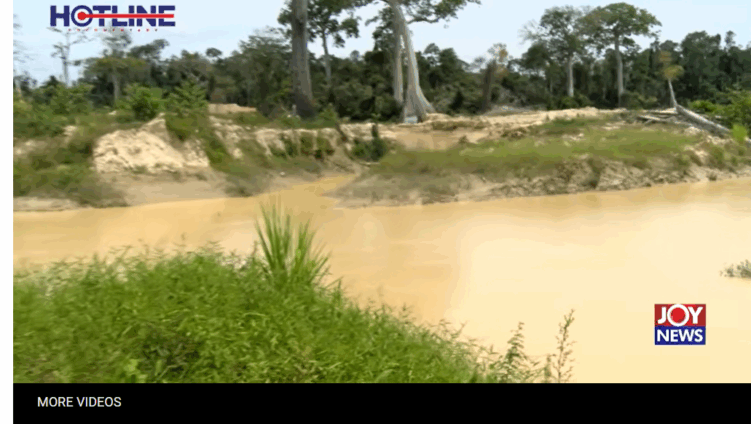
The comments come on the back of the release of A Tax for Galamsey, a Hotline investigative documentary that exposes how illegal mining in the Amansie Central District of the Ashanti Region is allegedly not just tolerated but systematically taxed and protected by government appointees.
The investigation, which relied on undercover reporting, secret recordings, and on-the-ground infiltration, claims to reveal an alleged extortion network involving the District Assembly and a task force operating under the authority of the District Chief Executive.
According to the documentary, illegal miners are required to pay fixed “registration” fees—₵3,000 per changfan machine and tens of thousands of cedis per excavator—in exchange for uninterrupted operations. Payments are reportedly formalised with stickers, receipts, and bank deposits into official Assembly accounts, effectively turning environmental crime into a structured revenue stream.
Environmental advocates and former officials have long warned that galamsey poses a severe threat to Ghana’s water bodies, forests, and soil fertility. Mr Konadu’s warning highlights the growing concern that institutional complicity may undermine ongoing enforcement efforts.
The revelations come as the government continues its stated campaign against illegal mining, with task forces and regulatory agencies tasked with curbing the practice.
For Mr Konadu, the key challenge is the attitude of state actors.
“When those who are supposed to enforce the law are complicit, it not only emboldens the perpetrators but also puts environmental defenders at risk,” he said, underscoring the urgency of institutional accountability.
Latest Stories
-
Mahama nominates Pamela Graham as Auditor-General
45 minutes -
Melania Trump’s speech propels Epstein crisis back to forefront
2 hours -
What everyone should know about C-sections
2 hours -
Gunmen kill at least four people at Afghanistan picnic spot
3 hours -
Health Ministry engages Ga Mantse ahead of Free Primary Healthcare launch
3 hours -
We can tackle multiple priorities – Sam George defends Anti-LGBTQ Bill push
4 hours -
Statement: Ghana Chamber of Mines’ Response to Claims in Joe Jackson’s “Ananse Stories about the Economy of Ghana”
4 hours -
GES opens 2026 teacher recruitment for licensed B.Ed graduates
4 hours -
Ghana must value skilled trades, build resilient learners — Ibn Chambas
4 hours -
Ghana must rethink education around relevance, resilience and responsibility — Ibn Chambas
4 hours -
Prince Harry faces defamation lawsuit from charity he co-founded
4 hours -
South Korea deploys thermal cameras to track escaped zoo wolf
4 hours -
Calls for royal meeting with Epstein survivors grow ahead of US visit
4 hours -
Ibn Chambas advocates blend of technology and human values in education
4 hours -
UMA improves healthcare access in Asutifi North with GH₵700k ‘Kim Taylor Legacy’ Walkway
4 hours