

Audio By Carbonatix
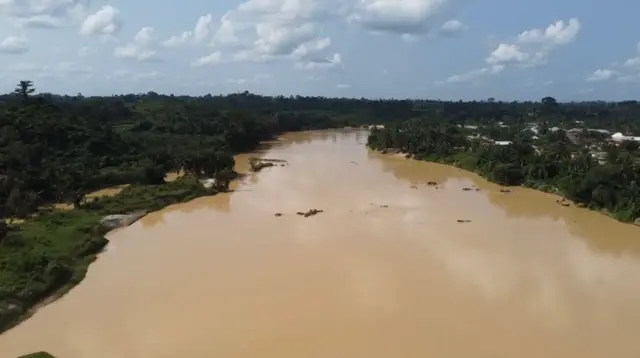
The Pediatric Society of Ghana has raised alarm over the dangers posed to children living in Galamsey-affected areas, cautioning that exposure to illegal mining activities could trigger acute kidney disease and other long-term health problems.
Speaking at a workshop ahead of this year’s annual conference, paediatrician and nephrologist Dr Selassie Goka highlighted the growing risk to children in communities surrounding illegal mining sites.
“We have data from adults that clearly shows that exposure to mercury causes or is associated with chronic kidney disease, and if they are present in adults, they are happening in our kids as well,” Dr Goka said.
She warned that the effects could go unnoticed until it is too late.
“Since in adults the study showed that there was some protein in the urine and some decrease in kidney function, it would be logical to suspect that our children who are exposed to heavy metals in areas of Galamsey are also developing contamination of the kidney tissue that will probably lead to protein and decreased kidney function. There might be cases where people are suddenly surprised; they think they are completely healthy, but suddenly in the future, something pops up that was related to life earlier on in these mining areas.”
After testing placentas from mothers in Galamsey‑affected areas, Professor of Chemical Pathology Prof Osei Sampene revealed a consistent presence of heavy metals, warning that such exposure could alter the DNA of unborn children.
“Lead, cadmium, mercury, and arsenic, those are the very heavy metals that during our study we were able to analyse. They pose serious health risks to pregnant women because of their high toxicity. They are very toxic in the sense that they can cause all manner of DNA mutilation, and aside from that, they have a capacity to bioaccumulate in the tissues, especially in children, where they have very little capacity to excrete them,” Prof Sampene said.
He explained that these findings could have lasting consequences on child development.
“In our study, we also investigated the association of heavy metal exposure with birth outcomes among mother-infant pair those who passed on during labour from the Ashanti region, Central, Western, Western North, and Eastern regions of Ghana. The data were taken from 75 deceased mother-infant pairs from 2021 to 2024.”
Meanwhile, several researchers and paediatricians at the workshop urged immediate intervention.
“This Pediatric Society annual scientific general meeting should present a position paper to the president,” the expert concluded.
Illegal mining has contaminated over 60% of Ghana’s waters, with gold mining now spreading into settlements, further exposing vulnerable communities to toxic heavy metals.”
Latest Stories
-
Total expenditure as of July 2026 amounted to GH¢147.07bn, 16% below target – BoG
37 minutes -
Total revenue & grants stood at GH¢144.5bn in July 2026, slightly below target – BoG
53 minutes -
Ghana Sports Fund urges sports federations to submit credible proposals and measurable targets
57 minutes -
Sally Rooney books withdrawn in UK over Palestine Action support
1 hour -
Musk says US government may be behind slowdown of Ukraine drone speeds
1 hour -
Picking Chief Justices nearing retirement could give Mahama immense power – Bentil
1 hour -
Netflix to shed 1,000 jobs in steepest cuts since 2022
2 hours -
Burnham had two hospitality dinners with Man City chairman, deleted records show
2 hours -
Semenyo ‘froze’ after alleged racist abuse, court told
2 hours -
‘Shameless’ – Mourinho critical of Vinicius Jr ban timing
2 hours -
Loyalty can outweigh competence in Chief Justice selection – Bentil
2 hours -
Man City suffer as PSG masterclass sets up Champions League win
3 hours -
Customer Service Africa CEO urges business leaders to observe staff and customer interactions
3 hours -
On night of mayhem for Liverpool, Barcola arrives in style
3 hours -
Muzic Mensah finds healing and renewed love in new single ‘WayƐ Late’
3 hours