

Audio By Carbonatix
The Head of Africa for petroleum Giant PUMA Energy, Fadi Mitri has argued that to ensure the constant supply of petroleum products on the Ghanaian market, consumers must be made to pay the fair market prices.
The Government of Ghana in the wake of liquidity challenges and the depleting foreign reserves of the country is resorting to policy measures such as the gold for oil deal to enhance Ghana’s energy security.
However, given that such measures are woefully inadequate to deal with all of Ghana’s petroleum needs, there are fears of a possible disruption in fuel supply if measures are not taken to provide forex to bulk oil distributors to import more petroleum products.
Speaking on the sidelines of his country visit to Ghana, the Head of Africa for PUMA Energy, Fadi Mitri told JoyNews that “we've been in Ghana for over 15 years and we are certainly one of the largest energy investors in the country.
"We've invested over the last ten years $450 Million. That puts us in a situation where in the current environment we are in, we have our hand on the pulse of the economy and on the crisis that is actually affecting Ghana today. We import a lot of gas oil and gasoline with our bulk distribution company. We are exposed to the liquidity, the dollar liquidity issues that we have that the country is facing”.
Touching on how the problem could be addressed, Fadi Matri indicated that “the answer to that from PUMA's perspective is that what can ensure that supplies reliably arrive in Ghana is that Ghanaians are always able to pay the fair market price for the supplies.
"Now, Ghana is a deregulated market, which means that the price at the pump can move. But the price is in cedi. So if the foreign exchange is not allowed to move based on the market, then there will be problems.” he said.
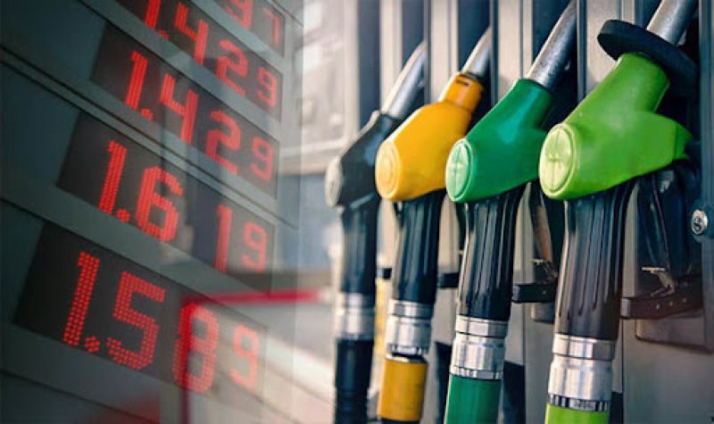
Already, the Institute for Energy Security (IES) is predicting between seven per cent and 13 per cent jump in the prices of petrol, diesel and Liquefied Petroleum Gas (LPG), from February 1, 2023, for the next two weeks.
This means petrol will sell at about GH¢15 per litre, whilst diesel will go for over GH¢17 per litre. According to the IES, the rise in domestic fuel prices is due to the sharp depreciation of the cedi during the last two weeks and the rising international fuel prices as observed on the global S&P Platts platform.
Latest Stories
-
Livestream: The Law discusses Supreme Court @150
31 minutes -
MTN Momo staff walk to promote wellness and fitness
47 minutes -
Assafuah: Sedina Attionu’s return from Nevada will test government’s commitment to accountability
52 minutes -
How GRA’s Modified Taxation Scheme is boosting revenue compliance & SMEs competitiveness
1 hour -
Stonebwoy Can Do It: A call to unite behind 2026 BHIM Fest
2 hours -
World Shea Expo returns to Tamale for 2026 edition
2 hours -
Prioritise cocoa sector with better prices, timely payments-Annoh-Dompreh urges NDC
2 hours -
Lands and Mines Watch Ghana endorses Heath Goldfields’ mining capacity
2 hours -
Gbintiri residents protest alleged diversion of 24-hour market project
3 hours -
Justin Bieber headlines Coachella with nostalgia-fuelled set
3 hours -
Ukraine and Russia accuse each other of hundreds of ceasefire violations
3 hours -
Asha Bhosle: The sound of Bollywood dies aged 92
3 hours -
Fire destroys section of 4-bedroom apartment at Tantra Hill
3 hours -
Safe city: Unnoticeable protection
3 hours -
North East Regional Police Commander raises alarm over burning of checkpoints
4 hours