

Audio By Carbonatix
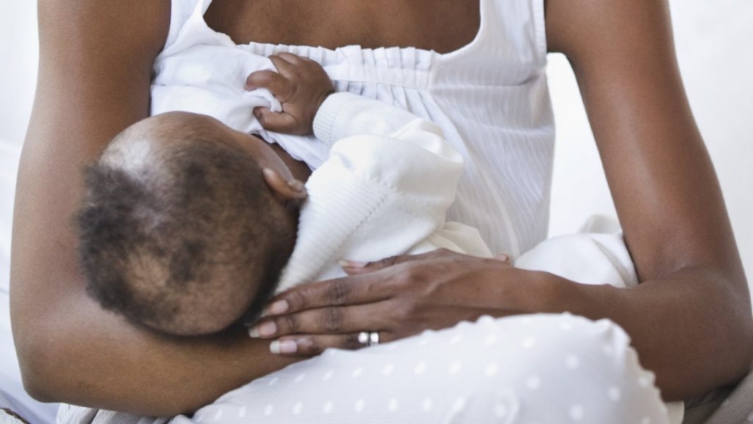
The Rural Initiatives for Self-Empowerment Ghana (RISE-Ghana), an advocacy Non-Governmental Oorganisation, has called on the government, institutions and other stakeholders to create breastfeeding centres at workplaces.
This, it said, would make workplaces friendly to lactating mothers and encourage exclusive breastfeeding to promote healthy growth of children and help fight malnutrition.
This was in a statement, signed and copied to the Ghana News Agency in Bolgatanga, by Alhaji Awal Ahmed Kariama, the Executive Director of RISE-Ghana.
It was part of activities to mark World Breastfeeding Week, which is being commemorated on the theme, “Let’s make breastfeeding work with work”.
The statement worried that the lack of breastfeeding centres at workplaces posed significant threats to the promotion of exclusive breastfeeding and could present nutritional challenges to children.
“It is of this view that RISE-Ghana wishes to make a passionate appeal to all stakeholders, CSOs, mothers and other organizations to join the campaign to support and promote breastfeeding by providing space or centres at workplaces for mothers to breastfeed their babies while at work in line international labor standards and best practice,” it said.
The statement emphasised that breastfeeding was the natural way babies received nutrients for their growth, development and well-being and it was the single most effective strategy for child survival.
“Breastmilk contains all the nutrients that a baby needs for the first six months of life such as the colostrum contains antibodies, white cells, purgative properties and growth factors,” it added.
It revealed that statistics from the World Health Organisation had shown that early initiation of breastfeeding could reduce global newborn deaths by 1.5 million deaths annually while 45 percent of child deaths was associated to breastfeeding.
Knowing the benefits of breastfeeding however has not encouraged an increase in exclusive breastfeeding in recent times rather the rate of exclusive breastfeeding has reduced due to work, it said.
“According to the Ghana Health Service on breastfeeding, 52 percent of babies are put to the breast within the first four months and 20 percent of children are given water in the first six months in Ghana.
“One of the reasons for the reduction in exclusive breastfeeding is due to work, many breastfeeding mothers due to work, corporate and trades tend to give additives to babies to support in the little time they give to breastfeeding. “Some of the babies are given out to day-care centers only to be taken after the day’s activities. We believe, mothers should be able to breastfeed their babies optimally at work without any encumbrances and guilt,” it added.
Latest Stories
-
Police hunt suspects after gunfire triggers chaos at Kotoku Onion Market
2 minutes -
Health Ministry partners private sector to boost public education on safe healthcare practices
12 minutes -
GhIE demands independent audit of GH¢110bn Big Push road programme
13 minutes -
Heavy rainstorm causes power outages in Ashanti Region – ECG
14 minutes -
Abuakwa MP supports constituents to mark Easter celebration
16 minutes -
CAF U-17 AFCON: Ghana handed tricky opponents in Group D
18 minutes -
Manhyia South MP decries unchecked commercialisation of residential areas, warns of extinction
19 minutes -
U-17 AFCON 2026: Ghana drawn in tough group as Black Starlets eye World Cup return
20 minutes -
NRSA recommends strict enforcement of laws banning right-hand drive imports
27 minutes -
‘Don’t belittle our intelligence’ – Methodist Bishop criticises Kwakye Ofosu over LGBTQ comment
28 minutes -
Ghana’s crude oil output declines for 6th consecutive year – PIAC
31 minutes -
$434m in oil revenue allocated to Big Push Programme — PIAC
32 minutes -
Ghana’s oil production hits 694 million barrels since 2010 – PIAC report
40 minutes -
Ghana records 7.5% economic growth in January 2026, services sector leads expansion
44 minutes -
One-cedi levy essential to keep power sector afloat- Ben Boakye
46 minutes