

Audio By Carbonatix
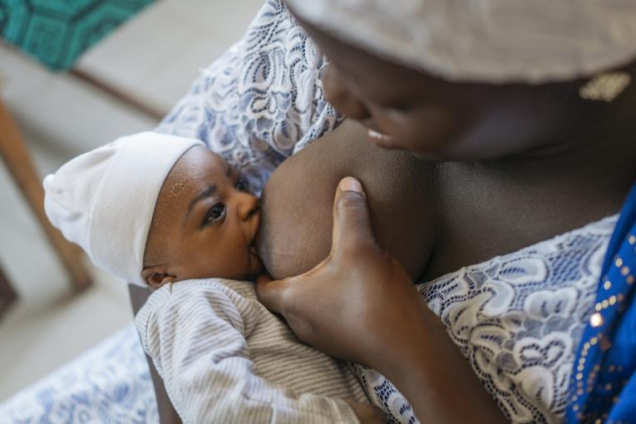
Mothers must not give in to modern-day pressures and deny their babies breast milk, since doing so can affect the child’s growth and overall wellbeing, a health practitioner, Ms Wilhemina Minnow, has mentioned.
“Breast milk is nature’s perfect food, containing all the nutrients a baby needs for healthy growth and development, as well as antibodies that protect against infections and reduce the risk of diseases like diarrhoea, respiratory illnesses, asthma and obesity later in life,” she stated.
Speaking in an interview with The Ghanaian Times yesterday to mark this year’s World Breastfeeding Week, celebrated in the first week of August, Ms Minnow said mothers must be encouraged to give their babies only breast milk for the first six months without water, formula or solid foods.
“It’s like giving your baby their first vaccine,” she explained, adding that the early milk, colostrum, is rich in immune-boosting substances that build a strong foundation for the baby’s health.
Ms Minnow further stressed that breast milk also promotes healthy gut bacteria, essential for immunity, and contains fatty acids that help brain development, contributing to higher IQ and academic performance later in life.
Beyond the child’s wellbeing, she said exclusive breastfeeding benefits the mother too. “It helps the womb return to its normal size after birth, reduces bleeding, lowers the risk of breast and ovarian cancers, and even burns calories to support weight loss.”
On the mental side, Ms Minnow noted that breastfeeding releases hormones like oxytocin and prolactin, which help mothers bond with their babies and reduce the risk of postpartum depression.
She debunked common myths that some mothers did not produce enough milk, saying that true milk insufficiency is rare. “Most cases are due to infrequent breastfeeding, poor latching, anxiety, or wrong perceptions. Frequent breastfeeding on demand is key to maintaining a healthy milk supply,” she advised.
Touching on the pressure many urban mothers face to switch to formula, Ms Minnow urged women to stand firm and seek support. “No formula can match breast milk. Build a support system, know your rights, and plan ahead for work,” she urged, calling for better workplace policies such as breastfeeding breaks and private spaces.
She advocated national measures, including longer maternity leave, stricter control of formula marketing, community education, and training of health workers to better support breastfeeding mothers.
“Breastfeeding is not just a mother’s job, it’s a public health investment,” she concluded.
Latest Stories
-
He entered at eight. He is now 16: Ghana’s children growing up in prayer camps
4 hours -
‘Development must not always begin from Accra’ — Anwelle Foundation launched in Jirapa
4 hours -
PKO trio eye victories at Odwira Festival
6 hours -
346 Ghana Navy recruits pass out after 26 weeks of intensive training
6 hours -
Newsfile to discuss EOCO-MP arrest, drug trafficking, speech arrests and $235m water debt
7 hours -
JoyNews gets results as listeners raise GH¢40,000 to help 17-year-old student with cerebral palsy attend SHS
7 hours -
Vice President calls for stronger local pharmaceutical production to reduce medicine imports
7 hours -
The brewing tension at KNUST; Beware the Ides of October….
8 hours -
Health Ministry moves to integrate traditional medicine into mainstream healthcare
8 hours -
550 pupils in Kintampo South get educational lifeline as ‘Seeds of Hope’ reaches farming communities
9 hours -
Opoku Mensah urges Christian Council, House of Chiefs to speak up on democratic freedoms
9 hours -
Teacher unions’ strike: Minority demands immediate payment of teacher arrears, 20% deprived area allowance
9 hours -
The Accra-Kumasi Expressway: Building it right
9 hours -
Beyond gold exports: Building value and economic resilience from Ghana’s gold
9 hours -
2027 AFCONQ: Ghana under pressure as Gambia beat Somalia 2-1
9 hours