

Audio By Carbonatix
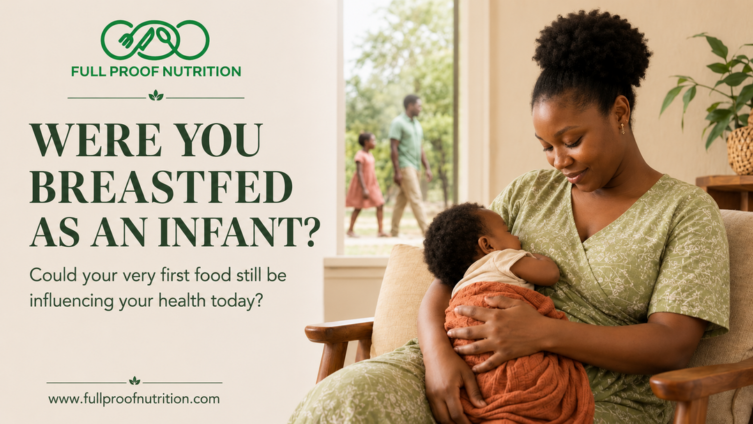
As we mark World Breastfeeding Week (1st -7th August), here is a question that takes many of us back to the very beginning of life: Were you breastfed as a baby?
You may need to ask your mother or another older family member. Perhaps you already know the answer—or perhaps no one remembers. Either way, the question is worth asking because researchers are increasingly interested in how nutrition during the earliest months of life may shape health many years later.
Your first food matters
A baby’s body grows and develops at an extraordinary pace. The brain, immune system, digestive system and other organs are all maturing, and adequate nutrition is essential to this process. Breast milk is much more than food. It provides the energy, protein, fats, vitamins and minerals that a growing baby needs. It also contains antibodies, beneficial bacteria, hormones, enzymes and many other biologically active substances that support development and help protect the baby from infections.
Unlike an ordinary food product, breast milk changes over time. Its composition adjusts as the baby grows and can even vary during a single feed. In addition to all that we already know about the benefits of breastfeeding, researchers have also been asking another question: might some of these benefits continue into adulthood?
What does the recent research say?
A 2026 narrative review titled Breastfeeding in Infancy and Adult Health brought together findings from studies examining the possible relationship between breastfeeding and health later in life.
Overall, being breastfed was associated with small but favourable differences in several areas of adult health. These included body weight, blood pressure, cholesterol levels, blood sugar control, cardiovascular health and certain aspects of cognitive development.
Some studies have found that adults who were breastfed may be slightly less likely to develop overweight, obesity or type 2 diabetes. Others have reported modestly healthier blood pressure or cholesterol levels and possible benefits for learning and intelligence.
How might breastfeeding influence later health?
Several possible explanations have been proposed.
- Early metabolic programming
Nutrition during early life may influence how the body regulates appetite, stores fat, uses glucose and responds to insulin. These early adaptations could have lasting effects on the risk of obesity, diabetes and cardiovascular disease.
- Development of the gut microbiome
Breast milk contains beneficial bacteria and special carbohydrates that nourish particular organisms in the baby’s gut. These early microbial communities help shape digestion, immunity and metabolism.
- Support for brain development
Breast milk supplies fats and other nutrients needed for the rapidly developing brain. Breastfeeding also creates opportunities for close physical contact, responsive feeding and interaction between mother and baby, all of which may support development.
- Learning to regulate appetite
During breastfeeding, babies usually have more control over how much milk they consume. This responsiveness to hunger and fullness signals may contribute to healthier appetite regulation as they grow.
Were you breastfed? What does the answer mean for you?
If you were breastfed, you may have received some valuable early health advantages. But these advantages do not make you immune to the effects of an unhealthy diet, physical inactivity, smoking, excessive alcohol consumption, poor sleep or unmanaged health conditions.
If you were not breastfed—or you do not know whether you were—there is no reason to feel that your health was permanently disadvantaged. Your present choices still matter greatly.
Genes, childhood experiences, education, income, access to healthcare, infections, stress, relationships, physical activity and eating habits all contribute to health across the life course. No single early experience determines the whole story.
A healthy beginning can be helpful, but it is not the only opportunity to build a healthier future.
A word of encouragement to mothers and mothers-to-be
If you are pregnant or currently caring for a baby, breastfeeding is one valuable way to give your child a healthy beginning—and possibly contribute to better health long into the future. Research suggests that its benefits may extend beyond infancy, with potential advantages for growth, brain development, appetite regulation and future metabolic and cardiovascular health.
If possible, prepare for breastfeeding before delivery, begin soon after birth and seek help early if you encounter difficulties. Although breastfeeding is natural, it does not always come easily. Challenges with positioning, attachment, milk supply, pain, tiredness or returning to work can often be managed with timely, skilled support.
You do not have to navigate the journey alone. Speak with a midwife, lactation professional, dietitian or another appropriately trained healthcare professional. Allow your partner and family to support you by helping with meals, household responsibilities and caring for the baby while you rest.
The World Health Organization recommends exclusive breastfeeding for the first six months, followed by appropriate complementary foods while breastfeeding continues for up to two years or beyond. Every breastfeed counts, and every period of breastfeeding can be valuable.
By breastfeeding your baby, you are not only nourishing the child in your arms today. You may also be laying part of the foundation for the healthier adult your child can become tomorrow.
Written by Dr. Laurene Boateng (PhD, RD)
Dr. Laurene Boateng is a Registered Dietitian and Senior Lecturer in the Department of Dietetics, University of Ghana. She is the founder and editor-in-chief of Full Proof Nutrition, a Nutrition Consultancy committed to providing reliable, evidence-based, and practical healthy eating advice through its website www.fullproofnutrition.com. Click here to join Full Proof Nutrition WhatsApp channel to receive more educative content. Send us a mail on fullproofnutrition@gmail.com. Grab a copy of my book on healthy eating – available now on Selar (Buy HEALTHY EATING MADE SIMPLE by Laurene Boateng on Selar) and Amazon (https://amzn.eu/d/6i9OeVb).
References
Panteris, E., Kakatsaki, I., Galani, O., Koukou, Z., & Hatzidaki, E. (2026). Breastfeeding in infancy and adult health: A narrative review. Children, 13(2), 286.
World Health Organization. Breastfeeding: Overview and recommendations.
Latest Stories
-
Ghana explores centre of excellence for hearing, communication and cochlear implant care
40 minutes -
Schizophrenia-related disorders lead mental health cases recorded in Ghana
1 hour -
Dutch authorities enlist Ghana in hunt for fugitive drug lord Bolle Jos
1 hour -
Ghana housing finance conference adopts communiqué to improve affordable housing access
6 hours -
Special Initiatives Minister urges Wa Technical Institute to enrol more girls as EU-backed solar training lab opens
6 hours -
In the matter of my first year at the Bar
6 hours -
ActionAid Ghana calls for an end to child marriage, greater investment in girls’ rights
7 hours -
Newsfile to tackle World Cup visa scandal, beach demolitions, education strikes, BRICS bid
7 hours -
UK-Ghana Trade & Investment Summit: Trade Resource Centre to help businesses maximise UK-Ghana trade opportunities
7 hours -
Embassy of Denmark celebrates World Maritime Day
7 hours -
Linking LEAP to productive inclusion could cut extreme poverty by 2030 – UNICEF
8 hours -
Trade Ministry backs use of creative arts to rehabilitate prison inmates
8 hours -
Negotiations with government to continue despite strike suspension – GNAT
9 hours -
‘Ghana cannot afford to waste public resources; every cedi has a job’ – Ato Forson
9 hours -
Ghana expects economic boost as World Assemblies of God Congress brings 10,000 delegates to Accra
9 hours