


Audio By Carbonatix
World Brain Day is a global initiative led by the World Federation of Neurology to raise awareness about neurological health and encourage actions that protect the brain throughout life. It is observed annually on July 22nd. The 2026 theme, "Brain Health: Access for All," reminds us that everyone deserves the opportunity to prevent neurological disease, access timely care, and live with the best possible brain health regardless of where they live or their circumstances.
This year's theme also aligns with findings from the report of the 2024 Lancet Standing Commission on Dementia Prevention, Intervention and Care. After reviewing the latest scientific evidence, the Commission concluded that up to 45% of dementia cases worldwide could potentially be delayed or prevented by addressing fourteen modifiable risk factors across the life course. As we mark World Brain Day, this article explores the Lancet Commission's findings and highlights practical steps each of us can take to support lifelong brain health.
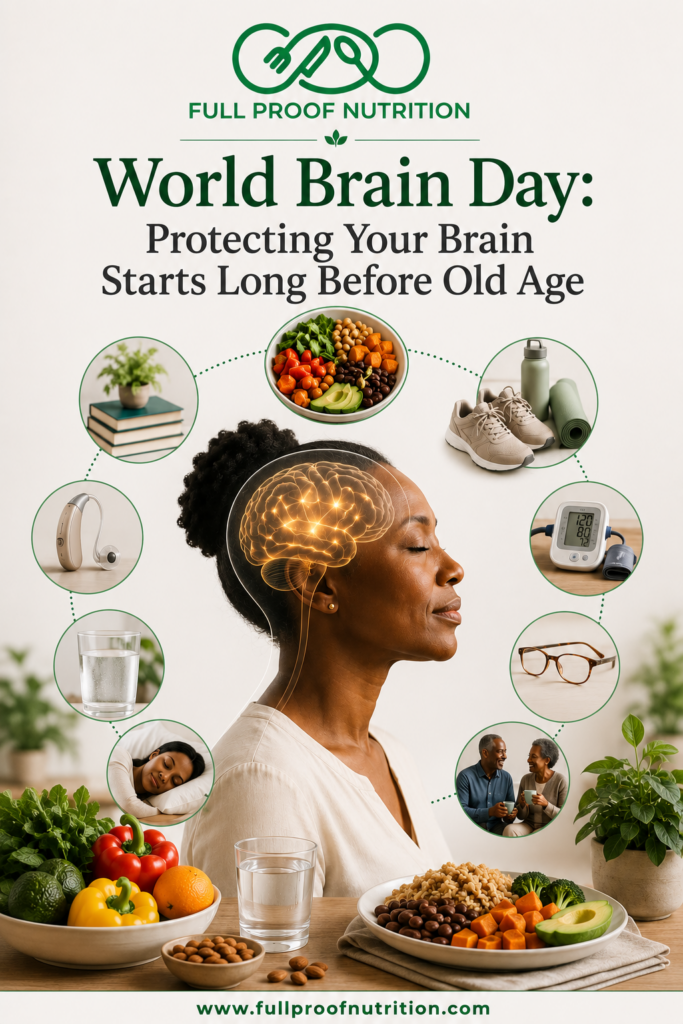
The 14 Modifiable Risk Factors: Key Messages for Protecting Your Brain
The Lancet Commission groups the risk factors according to the stages of life when they have the greatest impact. Together, they remind us that protecting brain health is a lifelong journey that begins in childhood and continues well into older age.
Early Life: Build a Strong Brain Foundation
1. Education
Education during childhood lays the foundation for lifelong brain health. Learning strengthens the brain by building what scientists call cognitive reserve - the brain's ability to cope with ageing and disease. Investing in education is therefore not only an investment in knowledge and future careers, but also in reducing the risk of dementia later in life.
Midlife: Protect the Brain by Protecting the Body
The Commission highlights that many of the conditions affecting the heart and blood vessels also affect the brain. Looking after your physical health during midlife is one of the most effective ways to reduce dementia risk.
2. Hearing Loss
Untreated hearing loss reduces the amount of sound stimulation reaching the brain and may also lead people to withdraw from conversations and social activities. Early hearing assessment and the appropriate use of hearing aids can help maintain communication, social engagement and cognitive function.
3. High LDL ("Bad") Cholesterol
High levels of LDL cholesterol contribute to the build-up of fatty deposits in blood vessels, reducing healthy blood flow to the brain. Managing cholesterol through a healthy diet, regular physical activity and medication where necessary supports both cardiovascular and brain health.
4. High Blood Pressure
Persistently elevated blood pressure damages the delicate blood vessels that supply oxygen and nutrients to the brain. Regular blood pressure checks, healthy diet and lifestyle habits and appropriate treatment can significantly reduce this risk.
5. Diabetes
Poorly controlled diabetes can damage blood vessels and nerves throughout the body, including those that nourish the brain. Maintaining healthy blood sugar levels through diet, physical activity, medication and regular monitoring supports long-term cognitive health.
6. Obesity
Excess body weight, particularly during midlife, increases inflammation and raises the risk of diabetes, hypertension and cardiovascular disease—all of which can negatively affect brain health. Achieving and maintaining a healthy weight contributes to healthier ageing.
7. Physical Inactivity
Regular physical activity improves blood flow to the brain, supports cardiovascular health and stimulates processes that help maintain healthy brain cells. Even moderate amounts of daily movement can contribute to reducing dementia risk.
8. Smoking
Smoking damages blood vessels, increases inflammation and exposes the brain to harmful chemicals that accelerate cognitive decline. Stopping smoking at any stage of life provides important benefits for both brain health and overall wellbeing.
9. Excessive Alcohol Consumption
Heavy alcohol consumption can directly damage brain cells and increase the risk of memory problems and dementia. Limiting alcohol intake supports healthier brain function while also reducing the risk of many other chronic diseases.
10. Depression
Depression is more than a temporary low mood; when left untreated it is associated with a greater risk of cognitive decline. Recognising symptoms early and seeking appropriate treatment benefits both mental wellbeing and long-term brain health.
11. Traumatic Brain Injury
Head injuries can have lasting effects on the brain and increase the likelihood of developing dementia later in life. Wearing helmets, using seat belts, preventing falls and taking appropriate safety precautions can help protect the brain from injury.
Later Life: Stay Connected and Protect Your Senses
Growing older does not mean there is nothing more that can be done. Maintaining social engagement, healthy senses and a supportive environment continue to play an important role in protecting cognitive function.
12. Social Isolation
Regular social interaction stimulates the brain, provides emotional support and helps maintain cognitive function. Staying connected with family, friends, faith communities and other social networks is an important part of healthy ageing.
13. Air Pollution
Long-term exposure to polluted air is associated with inflammation and damage to both the cardiovascular system and the brain. Reducing exposure where possible and supporting cleaner environments may contribute to better brain health across the population.
14. Untreated Vision Loss
Poor vision can reduce independence, limit participation in everyday activities and contribute to social isolation, all of which may affect cognitive health. Regular eye examinations and timely treatment of preventable causes of vision impairment help people remain active and engaged.
The Big Picture
Perhaps the most powerful message from the 2024 Lancet Commission is that brain health is closely connected to overall health. Many of the same lifestyle habits that help prevent heart disease, stroke, diabetes and some cancers also help protect the brain. Rather than being determined by a single factor, brain health is shaped by the choices we make throughout life.
From a dietitian's perspective, it is interesting to note that nutrition underpins several of the Commission's modifiable risk factors. Healthy eating helps prevent or manage high LDL cholesterol, hypertension, obesity and diabetes—all of which are recognised risk factors for dementia. Nutritious eating patterns may also support mental wellbeing and often go hand in hand with regular physical activity and other healthy lifestyle behaviours. This highlights the important role that healthy eating plays, not only in preventing chronic diseases, but also in promoting lifelong brain health.
This means that every nutritious meal does far more than satisfy hunger. It helps protect your heart, blood vessels and metabolism, the very systems that nourish and support a healthy brain.
The encouraging news then is that, protecting your brain starts with the fundamentals. While supplements and programmes have an important place for people with specific nutritional needs or deficiencies, the strongest evidence continues to support a healthy dietary pattern and other positive lifestyle habits as the foundation of lifelong brain health. Eating a balanced diet rich in vegetables, fruits, legumes, whole grains, nuts and healthy fats; remaining physically active; avoiding tobacco; limiting alcohol; managing blood pressure, cholesterol and diabetes; protecting your hearing and vision; staying socially connected; and looking after your mental wellbeing are all evidence-based steps that can reduce the risk of dementia.
Taken together, these actions could potentially delay or prevent up to 45% of dementia cases worldwide, offering hope that many more people can enjoy healthier brains, greater independence and a better quality of life as they age. The journey to lifelong brain health begins with the choices we make today. Let's start today.
Want to learn more about healthy eating? Click here to join the Full Proof Nutrition WhatsApp channel and gain unlimited access to practical, evidence-based tips to help you make healthier choices every day.
Written by Dr. Laurene Boateng (PhD, RD)
Dr. Laurene Boateng is a Registered Dietitian and Senior Lecturer in the Department of Dietetics, University of Ghana. She is the founder and editor-in-chief of Full Proof Nutrition, a Nutrition Consultancy committed to providing reliable, evidence-based, and practical healthy eating advice through its website www.fullproofnutrition.com. Click here to join Full Proof Nutrition WhatsApp channel to receive more educative content. Send us a mail on fullproofnutrition@gmail.com. Grab a copy of my book on healthy eating – available now on Selar (Buy HEALTHY EATING MADE SIMPLE by Laurene Boateng on Selar) and Amazon (https://amzn.eu/d/6i9OeVb).
Reference
Livingston, G., Huntley, J., Liu, K. Y., et al. (2024). Dementia prevention, intervention, and care: 2024 report of the Lancet Standing Commission. The Lancet, 404(10452), 572–628. https://doi.org/10.1016/S0140-6736(24)01296-0. (Accepted version obtained from Google Scholar).
Latest Stories
-
Ballon d’Or Power Rankings: Lamine Yamal leads race for Golden Ball ahead of Rodri and Kane
29 minutes -
‘Nothing worked for us’ – Gideon Mensah takes responsibility for Gambia defeat
48 minutes -
2026 Women’s Super Cup: FC Savannah beat Epiphany Warriors to win trophy for first time
2 hours -
AFCON 2027Q: ‘The last time Ghana won was eight games ago’ – Carlos Queiroz
3 hours -
AFCON 2027Q: Gambia defeat doesn’t make me a loser – Carlos Queiroz
3 hours -
2027 AFCONQ: Late goals seal 2-0 for Côte d’Ivoire against Somalia
3 hours -
AFCON 2027Q: My resignation won’t solve Ghana football issues – Queiroz
3 hours -
Morocco call off Ghana friendly after Black Stars’ AFCON setback
3 hours -
‘We have to say sorry’ – Queiroz apologises after Ghana’s humiliating defeat to Gambia
3 hours -
New Yorker identified as Yaw Boahene, 57, killed after bag was caught in subway train doors
3 hours -
Former American Idol contestant and pastor found guilty of murdering wife
4 hours -
Trump rules out joint US-China venture to develop AI
4 hours -
‘Beating Ghana did not surprise me’ – Gambia boss
4 hours -
OpenAI agents get rebrand – as ‘dots’ – while safety worries delay new model
4 hours -
US ban on Canadian alcohol and dairy takes effect as trade war drags on
4 hours