

Audio By Carbonatix
Across the continent, a quiet creative revolution is taking place. In Nairobi, Accra, Kigali, and Johannesburg, young Africans are picking up cameras, writing scripts, animating characters, producing music and telling stories in ways that are vibrant, bold and unmistakably their own. They are not waiting for permission; they are carving out spaces, building digital audiences and shaping a new narrative for African expression.
But even as this new generation rises, many are building on shaky ground because no matter how talented, innovative, or driven they are, there remains one lingering threat that continues to threaten their future: piracy.
Piracy has long been a challenge for the creative sector, but for young and emerging talents, it is especially devastating. It robs them not just of income, but of dignity. Imagine pouring months into creating your first short film or web series, only to find it circulating on unauthorised platforms days before the official release. No credit. No earnings. No control.
For creatives who are just getting started, their breakthrough can be the hardest. That moment when a project finally comes to life - maybe it’s a locally shot documentary, an animation shared online, or a pilot picked up by a local broadcaster should be cause for celebration. But when the excitement is followed by the sting of theft, many young creatives start to question if it’s even worth it.
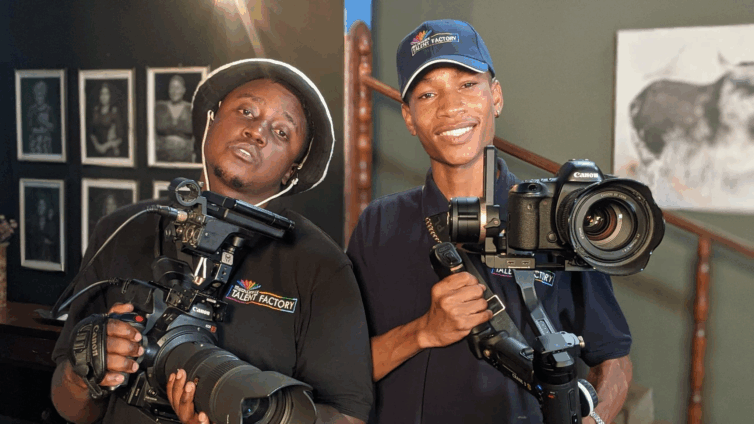
At a recent Creatives Baraza, convened by the Kenya Film Commission and Konza Technopolis at the Genesis Talent Factory, these concerns came into sharp focus. The fireside chat brought together a lively crowd of young Kenyan filmmakers, writers, digital artists and curious students.
Although the room buzzed with the excitement of youth hungry to pick mentors’ brains, team up and be seen, a common challenge lingered. Several young creators recounted losing their work to piracy, amongst other challenges they have encountered at the onset of their careers.
From those discussions came a plain verdict: the industry must shield the talent it supports.
One of the key partners present at the Baraza, the MultiChoice Talent Factory, highlighted the importance of not just training creatives, but preparing them for a sustainable career: one that includes understanding rights, navigating contracts and being aware of the threats posed in the industry. It’s a conversation many of us don’t have often enough, yet it’s crucial if we want young Africans to take up creative work and thrive.
The reality is, we cannot talk about building a thriving creative economy without addressing the theft of intellectual property. Piracy crosses borders and jumps between digital platforms, so although there are laws on the books, actually enforcing them can be challenging.
Industry groups such as Partners Against Piracy (PAP) have begun working together, gathering partners in the fight against piracy. In 2024, PAP executed over 155 successful raids across Africa, leading to the closure of 4351 networks and the arrest of 107 individuals engaged in illegal activities. While this is a great start, far more effort is needed in everyday public outreach.
There’s a common misconception that piracy only hurts big studios and record labels. But in the real sense, it’s the small players who suffer most: the self-taught animator, the emerging producer, the indie filmmaker trying to fund their next project. They don’t have legal teams. They rely on every stream, every ticket, every bit of support from their community. When their work is pirated, it's not just a loss of revenue. It’s a blow to their confidence - and, in some cases, it’s the end of the road.
This moment, however, is also one possibility. Africa is recognised globally for its cultural output. From Emmy nominations to international distribution deals, our stories are travelling. But the question is whether the people behind those stories will be able to build lasting careers. Will they be empowered, or exploited?
If we want a creative industry that is resilient, inclusive and truly African, we must give our young talent the freedom to create without fear. That means not only celebrating their talent but protecting their work and standing up for their right to earn from it because every stolen story is a silenced voice. And Africa cannot afford to lose another one.
Latest Stories
-
Akurugu delivers first state of Constituency address, highlights development gains in Dome-Kwabenya
2 hours -
Journalism out loud: Defending truth in a divided world
2 hours -
Heath Goldfields partners local firm, receives new mining fleet to revive Bogoso-Prestea mine
2 hours -
Korle-Bu overcrowding driven by broken referral system, not just bed shortage – Doctors
3 hours -
MC Portfolio named red carpet host for 2026 Ghana Music Awards USA
3 hours -
U.S. Embassy explains Visa process for Ghanaians ahead of World Cup
3 hours -
Viral video on emergency care at Korle-Bu Teaching Hospital is ‘authentic’ – Emergency Medicine Residents
3 hours -
Ahmad Abdul-Samad, Rachael Quarcoo dominate 1st quarter All Ghana Badminton Championship
4 hours -
ActionAid calls for strong partnerships to advance water, gender, and climate justice
4 hours -
DVLA begins nationwide clampdown on expired DV plates from March 24
4 hours -
Ghanaian Commonwealth Youth Leader meets King Charles III, pushes for youth economic empowerment
4 hours -
Former President Akufo-Addo takes on new role in Anglican Church
5 hours -
MTN Ghana steps up sensitization on efficient and safe data usage
5 hours -
Mfantsipim celebrates 150 Years with historic launch of anniversary songs and commemorative cloth
5 hours -
Korle-Bu doctors accuse management of staging ‘perfect’ emergency ward for Health Minister’s visit
6 hours