

Audio By Carbonatix
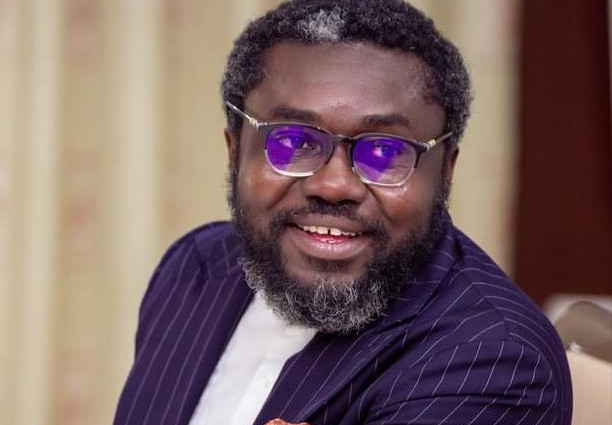
Private Legal Practitioner, Oliver Barker-Vormawor, has argued that in order to sustain and enhance democracy and democratic practice in Ghana, speech should be made absolutely free.
The lawyer who describes himself as a speech absolutist noted that the criminalisation of undesirable speech was inimical to the country’s democratic development and the growth of the media.
He explained that the only restraints on speech should be one borne out of societal values and not criminal law, as the latter creates an atmosphere of fear around speech.
Speaking on JoyNews’ The Law, he said criminalising undesirable speech creates an economy of fear around speech.
“I have described myself as a speech absolutist in some regard because I generally believe that the way in which you sustain a democracy and enhance a democracy is to make speech absolutely free. And I think that the restrains on speech come about first of all in exchange of dialogue and argument, that I will say something and somebody will issue a statement and say we disagree with this and we condemn it. That is one way our societal values is checking speech, not through criminal law.
“Because once you invite criminal law in the process, then one of the things you’re going to create is that you’re going to create an economy of fear around speech. But if socially, people can listen to one’s speech and say ‘this person has said this but we condemn that’ then that’s fine.
“One of the things I have given an example even in my case since we started with that is the persons who said ‘we agree with so many things you have said but we don’t agree with what you said here’ and I say that is absolutely fine. That is how the practice of democracy should operate that other voices will then come in and challenge the person’s speech which will give an opportunity to clarify,” he said.
Mr. Barker-Vormawor who is also a convener for the FixTheCountry Movement, noted that protecting undesirable speech was the main notion behind the establishment of the freedom of speech.
He said “because if it was [desirable] then there was no concern about it. So I think that the practice of democracy contemplates that we will meet speech that we find undesirable and that’s fine because by allowing undesirable speech we create the avenue for more desirable speech to go on.”
He urged that the principle by which lawyers are taught to look at criminal proceedings should be applied in laws relating to speech.
“For instance on terms of criminal practice, we say that it is better for one guilty person to be let off than innocent people to be locked up. We should bring that same thinking to how speech operates. But if in the general body of allowing speech, even if there may be some bad speech we are not okay with, that’s fine. At least we are keeping the window and the door open for more speech to happen.
“That’s why I’m saying if we are thinking then in the language of what are we trying to achieve with protection of speech and protection of the media, we would then come back to are these laws proportionate and necessary to be able to keep the window open for people to be able to speak more to enhance our democracy,” he said.
Latest Stories
-
I assure Otumfuo, Mahama will join him to commission KNUST Teaching Hospital by end of this year – Haruna Iddrisu
15 minutes -
Gov’t to roll out free special education for persons with disabilities from July 1 – Education Minister
37 minutes -
“We used it to test our officiating officials’ readiness” – Bawah Fuseini after CAA Athletics event
1 hour -
Volleyball emerges as Ghana’s fastest rising sport
1 hour -
National Sports Fund needs strong leadership from the top – Administrator David Wuaku
1 hour -
JoySports Exclusive: Steve McLaren in talks with GFA after expressing interest in Black Stars job
2 hours -
Fire guts auto parts warehouse at Bubuashie, one fire officer injured
2 hours -
I owe my victory to coach Ofori Asare – Allotey after winning WBA Africa Gold Super Flyweight belt
2 hours -
Church of Pentecost supports over 2,000 BECE candidates in Obuasi with career guidance seminar
3 hours -
Brandon Asante and Coventry all but promoted to Premier League despite Sheffield Wednesday draw
4 hours -
GPL 2025/26: Late Kwartemaa strike downs Hearts in Tema
4 hours -
Ghana Faces Sierra Leone Moment as Prosecutorial Powers come under strain
4 hours -
Don’t consume fish or seafood from Tema Shipyard until further notice – FDA warns
4 hours -
Why volunteering might be Africa’s most underrated career accelerator
4 hours -
ActionAid Ghana raises concern over gender gaps in Feed Ghana Programme
4 hours