

Audio By Carbonatix
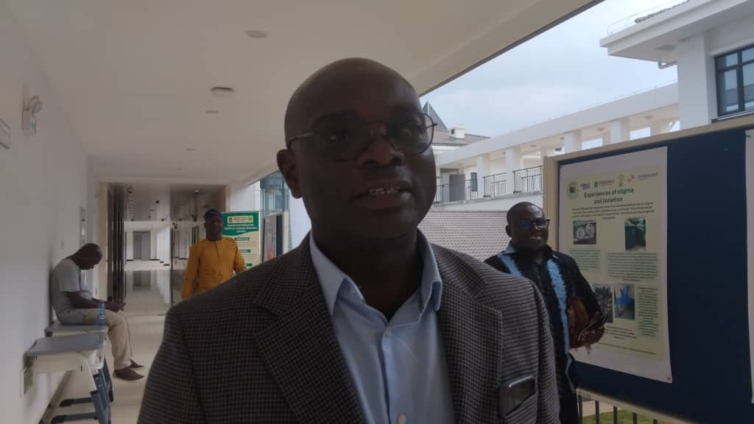
The Director of the Institute of Health Research at the University of Health and Allied Sciences (UHAS), Professor Alexander Ansah Manu, has indicated that research institutions must prioritise studies that directly improve lives and influence policy.
“Research should not be done just for academic exercise,” he said during the IMAGINE GHANA stakeholder meeting in Ho in the Volta region. “If it does not impact the lives of Ghanaians and shape policy direction, then we are wasting time and money.”
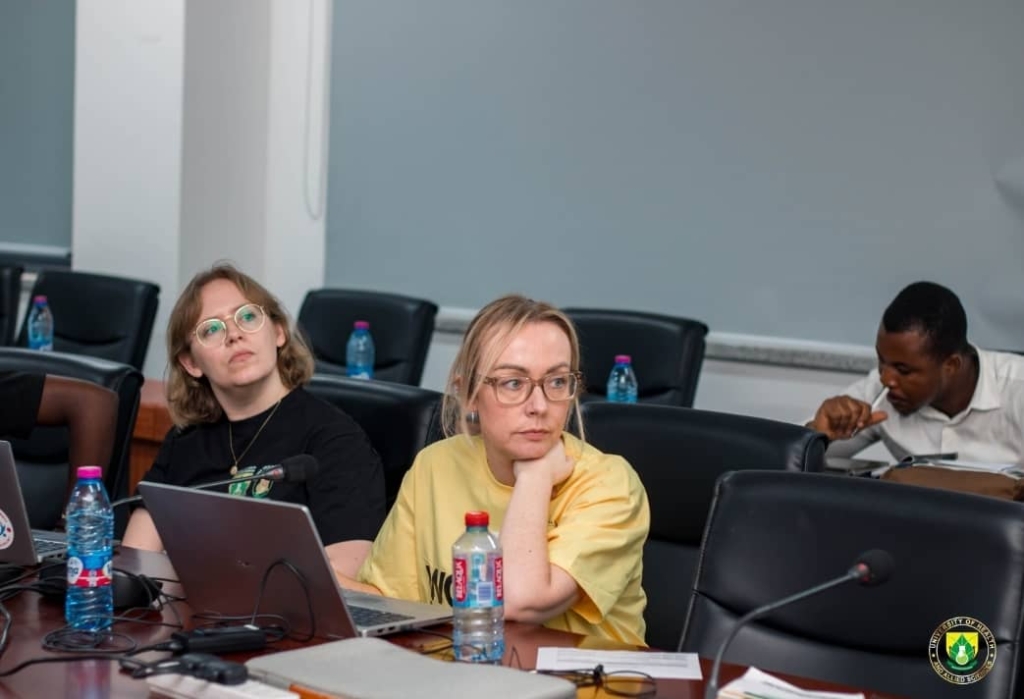
Prof. Ansah Manu highlighted the devastating psychosocial consequences of Neglected Tropical Diseases (NTD), particularly those with visible skin manifestations such as elephantiasis and leprosy.
He described how poverty increases vulnerability to these diseases and how stigma compounds suffering long after medical treatment.
Sharing a childhood experience, he recalled how a classmate faced discrimination simply because his mother had once been treated for leprosy.
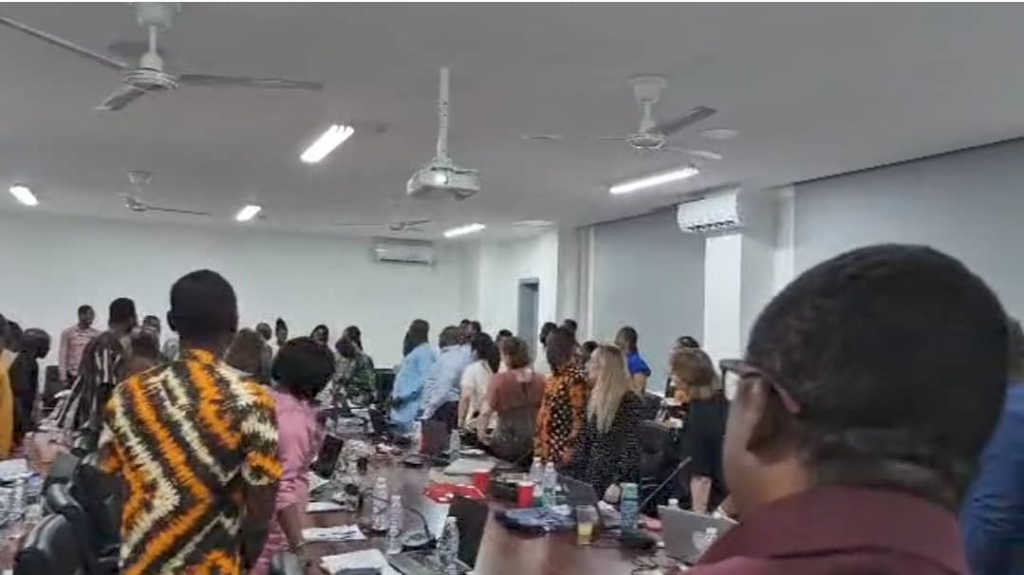
“That is the level of stigmatisation," he said. “And stigma affects mental health. When mental health is affected, people are less likely to seek care. The cycle continues.”
Prof. Ansah Manu introduced what he described as the “resonance of stigma”—a layered burden faced by patients who experience both NTD-related stigma and mental health stigma.
“When someone has an NTD and develops depression or anxiety because of stigma, the discrimination doubles,” he explained.
He argued that Ghana’s health system must move beyond medicalising disease and instead adopt a holistic framework that addresses psychological and social dimensions.
The IMAGINE GHANA initiative has brought together the Ghana Health Service, the Mental Health Authority, ministries, civil society groups, traditional authorities and persons affected by NTDs to co-design sustainable solutions.
Rather than creating parallel systems, the project seeks to strengthen existing structures and embed integrated care within routine service delivery.
“Our goal is dignity,” Prof. Ansah stated. “When we treat people, we must restore not only their physical health but also their place in society.”
Latest Stories
-
Imagination Africa, Mentors Chess Academy to host second African Genius Chess Championship at Ghud Park
1 hour -
Nana B passport claims a diversionary tactic — Abu Jinapor
2 hours -
Pope Leo diagnosed with cancer as doctors remove lobe of lung, Vatican says
2 hours -
Legal Aid Commission takes free legal services to Techiman main lorry terminal
2 hours -
Nana B denies seeking passport favour, accuses Ablakwa of failing to account for GH¢16.4m
2 hours -
Young girls demand climate action, stronger protection against child marriage
2 hours -
Ex-gang boss sentenced to 40 years for orchestrating Tupac Shakur’s murder
3 hours -
From near-deferral to three awards: UMaT graduate’s academic journey
3 hours -
Atta Akyea denies seeking presidential pardon for Wontumi in galamsey case
3 hours -
Photos: Mahama commissions 85-bed Police Hospital ward, donates two ambulances
3 hours -
GTEC directs Ghana’s public universities to reopen by October 16 and begin lectures on October 19
3 hours -
Star Oil donates GH¢1million towards construction of new CID facility
3 hours -
Court hands Adjetey Sowah, two others lifetime bans after Amputee Football legal dispute
4 hours -
NDC appoints Julius Kwame Anthony as a Deputy Communications Director
4 hours -
Ghana repatriates 120 Nigerians rescued from suspected cybercrime centres
4 hours