


Audio By Carbonatix
Ghana spent an estimated total of GH6.8 billion in rice importation from 2017 to 2020 to supplement local production.
The increasing consumption of rice in the country has necessitated a local initiative to satisfy the demand and reduce cost of rice importation.
In a bid to have Ghana produce adequate rice locally, the Crops Research Institute of the Council for Scientific and Industrial Research is educating farmers on techniques to increase rice yields.
Local rice production in Ghana increased to 950,000 metric tonnes in 2020, with an annual increase of 60kg per person rice consumption.
However, current rice production meets less than 40% of the consumption requirement in Ghana.
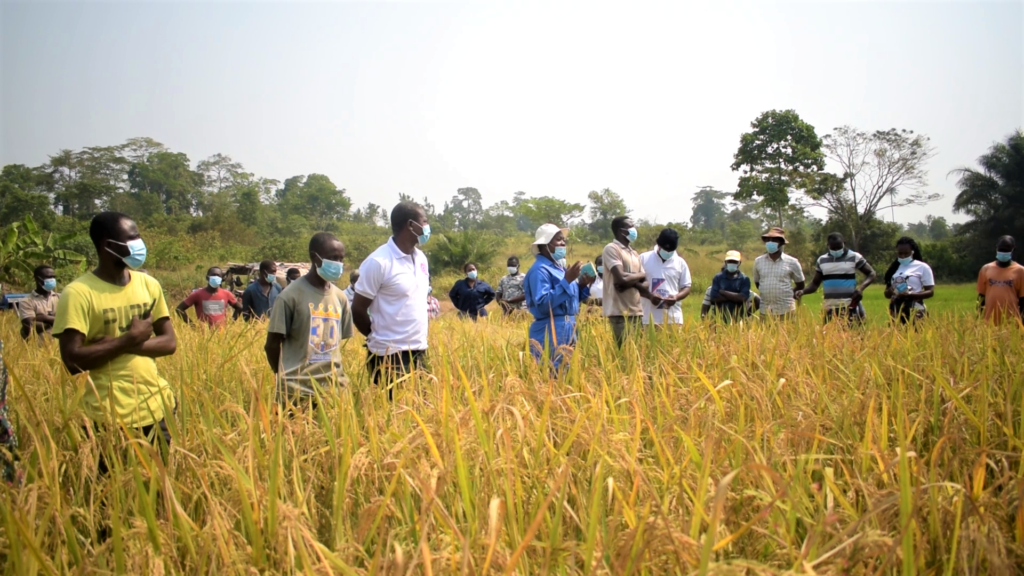
The Bekwai municipality, like many rice farming communities, suffers lower and nutritious rice yields.
According to Director of Agriculture at Bekwai, Emmanuel Mensah, prior to the invention of the researchers, farmers within the municipality have had to deal with weed infestation in their rice farms.
“During the regional liaison meeting, we reported the issue of the different types of weed that affect the cropping of rice.
“So, we reported the issue to the researchers and they came up with a solution. The researchers indicated they have to demonstrate to farmers, some techniques they could employ to curtail the infestation of weeds,” he said.
Rice demand in the country is rapidly growing at 5% per annum which would require commensurable production.
Some rice farmers at Asanso, a suburb of Bekwai, share their farming experience prior to their exposure to the new technologies.
Amina Mohammed and Issah Nunfam, have been working as rice farmers for close to ten years now. According to Amina, the introduced variety and farming practices are better than their traditional style.
“I’ve been working on this farm for years, but there was no improvement. I used to employ the broadcast style of rice cultivation. These new technologies have been really helpful,” added Issah Nunfam.
To reduce Ghana’s cost of importing rice, researchers from the Crops Research Institute introduced the farmers to new rice farming technologies and improved rice varieties.
William Lelabi Kota, who is the lead technical advisor, indicated the majority of the farmers lacked the skills for rice cultivation.
“The main problem they faced was land preparation for cultivation. They prepare their lands poorly. They don’t make water bonds around their farms, so water control on their fields is difficult.
He revealed “the farmers were introduced to how to make bonds, water canals to allow water in or out, nursery preparations and transplanting of the nursery.
Latest Stories
-
(Photos) Mfantsipim School launches historic 150th anniversary
23 minutes -
Knights and Ladies of Marshall group backs Catholic Bishops’ stance on anti-LGBTQ+
1 hour -
Bright Simons writes: All the Filla in the Ibrahim Mahama/E&P – Gold Fields Saga
2 hours -
Monetise Idiocy In Ghana
2 hours -
The Ghanaian prophet and the mysterious death of his scottish wife Charmain Speirs
3 hours -
Nearly 400 sentenced in Nigeria for links to militant Islamists
3 hours -
Ghana’s recovery supported by gold strength despite global oil price pressures – Standard Bank Research
3 hours -
Methodist Church hails Mfantsipim@150; calls for “fresh consecration” to excellence
3 hours -
‘Excellence is our inheritance’ – Nana Sam Brew-Butler hails Mfantsipim’s 150-year reign in leadership
4 hours -
Kwaku Azar writes: A-G vs OSP
4 hours -
Mfantsipim–Adisadel rivalry built excellence, not division – Sam Jonah
4 hours -
Vice President launches Mfantsipim’s 150 years of shaping Ghana’s greatest mind
4 hours -
I assure Otumfuo, Mahama will join him to commission KNUST Teaching Hospital by end of this year – Haruna Iddrisu
5 hours -
Barcelona dominate derby to extend La Liga lead
5 hours -
Gov’t to roll out free special education for persons with disabilities from July 1 – Education Minister
5 hours