

Audio By Carbonatix
With over 70% of households in Ghana’s urban and sub-urban areas still relying on charcoal and firewood, the need for urgent, sustainable alternatives to traditional cooking methods has never been clearer.
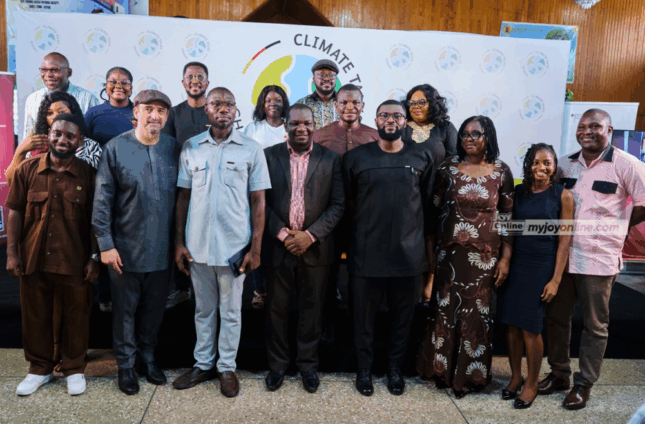
In a bold step towards addressing this challenge, JoyNews, in partnership with the German Embassy, hosted the maiden edition of the Climate Talks Dialogue in James Town, to promote clean cooking solutions across the country.
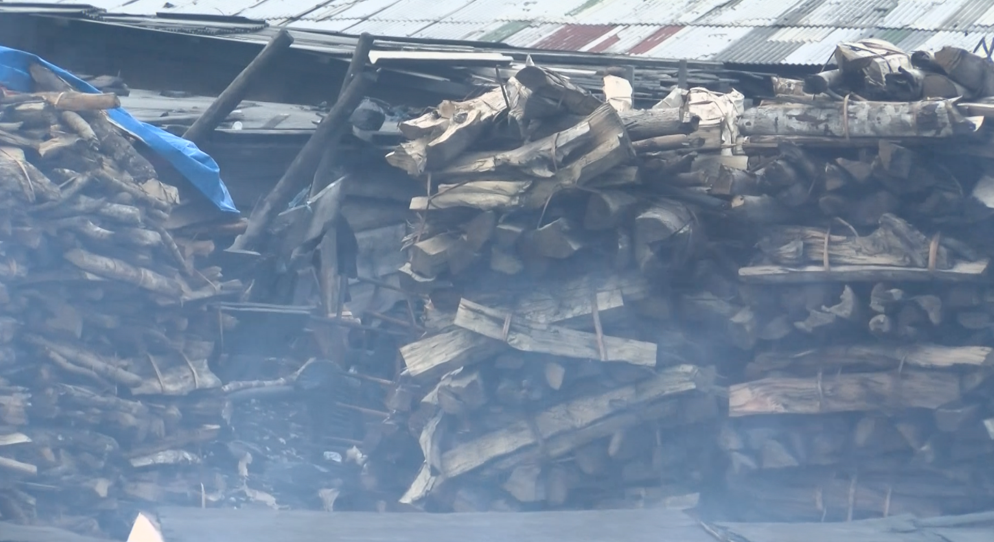
Household air pollution remains a silent killer, responsible for an estimated 16,000 premature deaths annually in Ghana. Urban areas account for 8,500 of these deaths, with the remaining 7,600 occurring in rural communities. What is the cause? The toxic black carbon emissions released from burning biomass fuels like charcoal and firewood.
Beyond health, the environmental toll is faltering. Over 90% of Ghana’s original forest cover has been lost, largely due to deforestation linked to the demand for firewood and charcoal. According to Deputy National Director of A Rocha Ghana, Daryl Bosu, the production and importation of charcoal especially from the savannah regions has become a major driver of forest degradation.
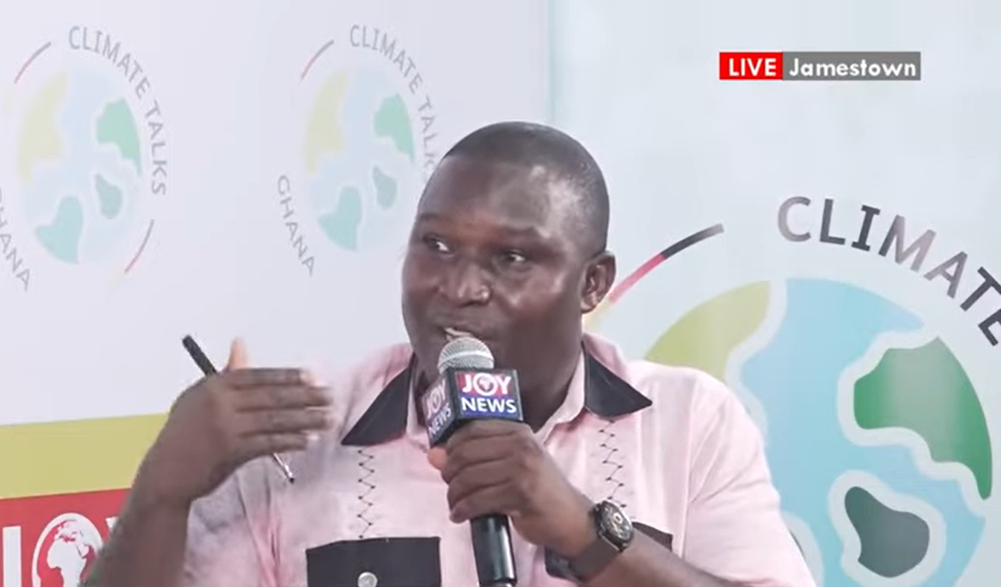
“An estimated 14.9 million tonnes of trees are felled annually for charcoal and firewood. At this pace, we risk losing forests in key charcoal-producing regions within two decades,” Bosu warned.
The health impacts are particularly devastating for women and children. Dr. Richard Bright Danyoh of the Ghana Paediatric Association emphasized that prolonged exposure to smoke from traditional cooking fuels is equivalent to smoking two packs of cigarettes daily.

“The effects are severe especially for pregnant women and young children. We’re seeing increased rates of asthma, allergies, pneumonia, and even congenital malformations. About 52% of birth defects may be linked to household air pollution from unclean cooking,” he noted.
Despite the harsh realities, there is progress. The Chairperson of the Ghana Alliance for Clean Cooking, Sarah Naa Dedei Agbey highlighted that while biomass usage stood at 85–90% in 2012, the numbers are gradually declining.
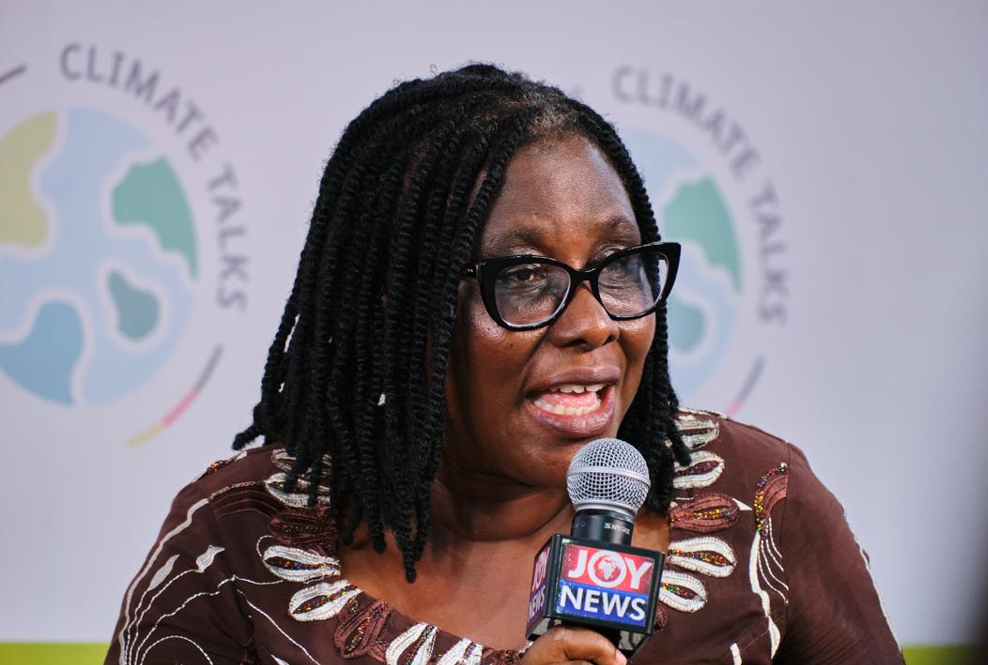
“Ghana now has a clean cooking policy and strategy in place, supported by an investment prospectus to guide national efforts. It shows we’re on a path towards cleaner, healthier homes but we can’t afford to relax yet,” she stated.
In relation to this, Executive Director of the Institute for Sustainable Energy and Environmental Solutions (ISEES), Lovans Owusu-Takyi, called for a wider adoption of clean cooking technologies, especially in sub-urban and urban areas.

“Switching to improved cookstoves and clean fuel options doesn’t just protect health—it’s also cost-effective and convenient. The benefits, both environmental and personal, are immense,” he said.
The Climate Talks Dialogue highlighted a simple truth, the future of cooking in Ghana must be cleaner, healthier, and more sustainable. And that future starts with the choices we make today.
Latest Stories
-
Tiptoe Lane’s tech takeover: The story behind Ghana’s booming informal phone market
1 hour -
Abanga vows to use social media to counter NDC messaging ahead of 2028 elections
1 hour -
Okai Mintah seeks Sabah Zita Benson’s support for NDC National Youth Organiser bid
2 hours -
Okai Mintah vows to strengthen NDC campaign machinery ahead of 2028
2 hours -
Mother of four and Jasikan teacher among new Telecel M’ahitti Promo winners
2 hours -
International Youth Shakers Conclave 2026 set to bring global young leaders to London
2 hours -
Gov’t is committed to addressing teachers’ conditions of service, deprived-area allowance – Education Minister
2 hours -
GoldBod’s structure encouraging galamsey – Afenyo-Markin
2 hours -
Tullow starts selling Jubilee, TEN crude to Ghanaian refineries
2 hours -
Local Government Service authorises rationalisation, redistribution of staff
2 hours -
PURC assures consumers of working to ensure quality services in Northern Region
2 hours -
Ghana develops US$4.28bn water financing framework
2 hours -
Christian Council calls for protection of mission schools’ religious identity
2 hours -
Mahama holds discussions with India’s External Affairs Minister
2 hours -
Even when you cough, they come after you — Abanga accuses Mahama govt of criminalising free speech
2 hours