


Audio By Carbonatix
Student Representative Council (SRC) elections across Ghana’s public universities increasingly reflect the country’s democratic maturity. At institutions such as the University of Education, Winneba (UEW), the University of Ghana, Legon, and the University of Cape Coast (UCC), these elections are no longer mere popularity contests. They serve as microcosms of national democracy, teaching students essential lessons about peaceful, transparent, and credible electoral processes.
With 69 public and private universities nationwide, Ghana’s campuses have become fertile grounds for democratic activity, involving thousands of students in campaigns, debates, and elections.

Numbers That Tell a Story
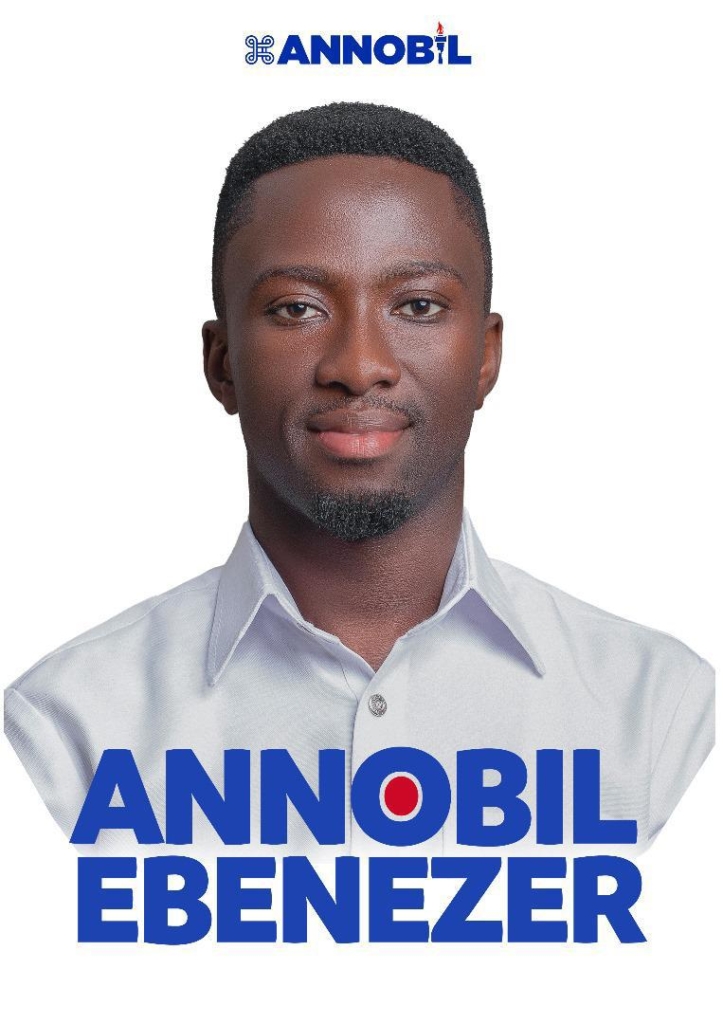
The recently concluded 31st SRC elections at UEW saw Ebenezer Annobil secure a decisive victory with 8,499 votes, representing 66.28% of the ballots cast. His closest rivals — Bright Kwesi Wuaku (1,190 votes), Ruth Akpene Nukpese (473), Perpetual Sroda Mensah Wadjoly (2,280), and George Semabia (348) — trailed significantly.
At UCC, Kwame Ntiamoah Ntim and Deborah Gyamfuah, representing the “Ntim Fraternity,” won the presidency with 7,354 votes. Meanwhile, more than 25,000 students participated in a tense run-off at the University of Ghana, reflecting the high level of student engagement.
These figures highlight more than voter turnout — they represent genuine democratic participation. Candidates run on manifestos, engage in debates, and face scrutiny from both student media and their peers.

Policies with Real Impact
Behind the campaigns are issues that affect students’ daily lives. At UEW, President-elect Annobil’s flagship “30-10-30-30” fee payment model proposes a staggered system to ease financial pressures, enabling students to register with just 30% of fees paid upfront. Other promises include free data SIM cards and enhanced welfare programmes.
These manifestos are not mere campaign rhetoric; they shape policies on fee structures, academic services, and welfare provisions — issues central to student life.
Building Future Leaders
The orientation of the newly elected UPSA SRC leaders on 28 July 2025 highlighted the weight of responsibility attached to these offices. Vice Dean of Students, Prof. Anthony Kumasey, urged leaders to prioritise honesty, accountability, and transparency.
Similarly, at KNUST, Shakir Is-Haq Waiz was declared SRC President on 6 August 2025, with 9,149 votes. Alongside him, executives such as General Secretary Kekeli Woelinam and Women’s Commissioner Mavis Aning assumed critical roles. At the University of Ghana, Larbi Ofori Richmond and his running mate, Gyampo Ayeh, emerged victorious after navigating a heated run-off campaign.
These experiences are not symbolic — they are practical training grounds where young leaders learn to compromise, manage resources, and deliver on promises.
Why It Matters for Every Student
Though some students dismiss SRC politics as irrelevant, the outcomes shape their campus experience directly. From cafeteria prices and Wi-Fi quality to academic policy reforms and infrastructure development, the SRC influences everyday student life.
More importantly, engaged electorates who demand accountability and vote based on policy — not personality — help cultivate a culture of good governance. This habit prepares students to set higher standards for leadership beyond campus.
A Real-Time Lesson in Democracy
SRC elections serve as political awakenings for Ghana’s youth. They provide hands-on education in civic engagement, collective responsibility, and the power of the ballot.
When students demand integrity, inclusivity, and transparency from their leaders, they strengthen both campus governance and Ghana’s broader democratic future. Student leadership, when grounded in service and accountability, becomes not just a stepping stone, but a living classroom for national leadership.
The bottom line: SRC elections are not sideshows — they are democracy in practice, shaping the leaders of tomorrow.
Latest Stories
-
Congo FA President Blaise Mayolas handed life prison sentence for embezzling COVID funds intended for women’s football
5 minutes -
SWESCO alumni alarmed as headmistress is transferred amid alleged political interference
6 minutes -
MiDA moves to transform Volta corridor into agro-industrial powerhouse
16 minutes -
Ablakwa urges stronger regional cooperation to tackle Sahel security threats
18 minutes -
Tamale Water Project to help address northern Ghana’s water shortages – Ghana Water Limited
49 minutes -
Sigma Appliances spreads the spirit of Ramadan with food distribution to Madina, Mamobi communities
55 minutes -
Oil prices fall and stocks rise after Trump says Iran war ‘very complete’
56 minutes -
Ghana-Peru Relations: Foreign Ministry outdoors new book focusing on a Journey of Friendship and Cooperation
59 minutes -
Kufuor advocates strict separation of powers to strengthen Ghana’s democracy
59 minutes -
Well-structured governance institutions improve efficiency and strengthen democracy – Kufuor
1 hour -
Two Turkish firms to construct water treatment plant for Eastern Accra
1 hour -
Rising sophistication in science and technology is deepening corruption – Kufuor
1 hour -
Allegations of BDCs hoarding product by OMCs are baseless – CBOD
1 hour -
Council of State not enough to check executive – Kufuor
1 hour -
CLOGSAG strike without production: Ghana’s dangerous culture of entitlement
1 hour