


Audio By Carbonatix
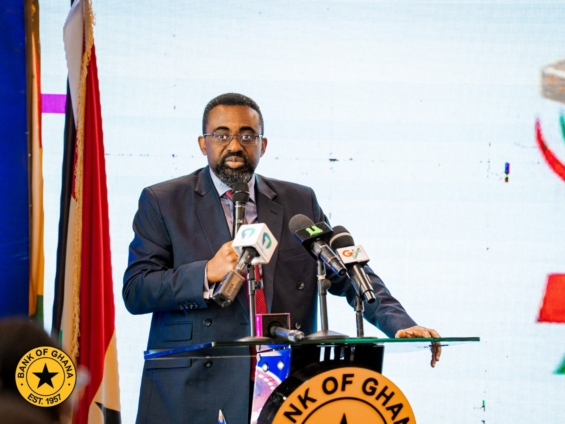
Governor of the Bank of Ghana, Dr Johnson Asiama, has maintained that effective regulation and enforcement in the banking and financial sectors cannot be achieved by regulators alone.
He has therefore argued that there is the need for strong collaboration with all players across the ecosystem to achieve this vision.
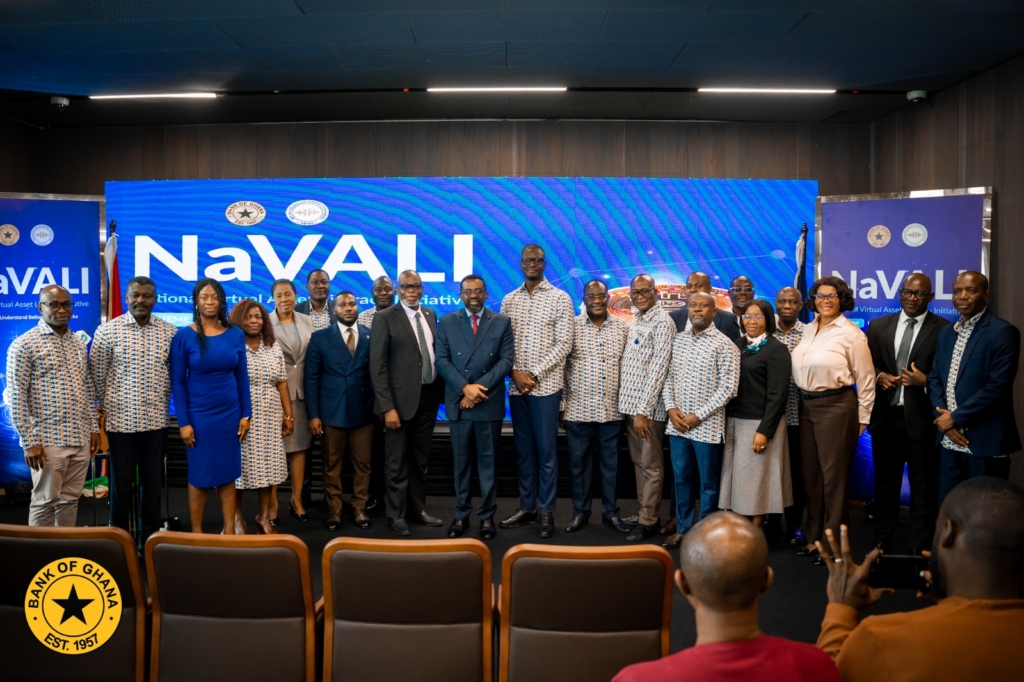
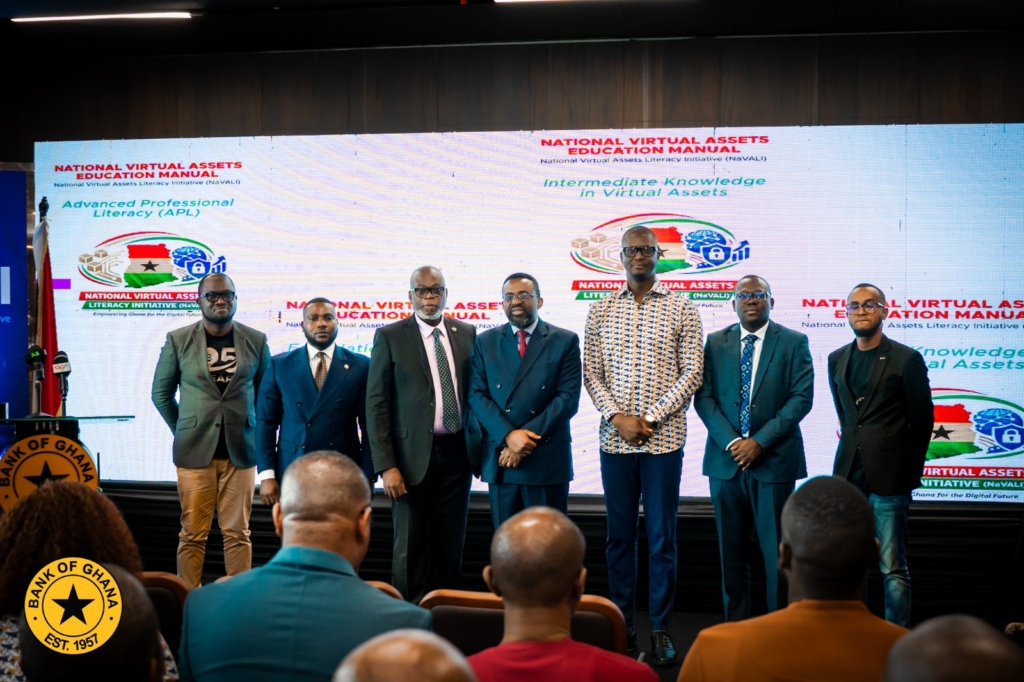
The governor made this known at the launch of the National Virtual Assets Literacy Initiative, code-named NaVALI.
Dr Asiama argued that there is also the need for the entire ecosystem to be adequately prepared “through a sound understanding of virtual asset activities, their implications, and associated risks. ”.
This, the Governor said, “underscores an urgent need for public education, consumer protection, and regulatory preparedness. NaVALI has been designed precisely to meet this need.”
What is NaVALI?
According to the Bank of Ghana, the National Virtual Asset Literacy Initiative, code-named NaVALI, is a landmark programme that signals Ghana’s deliberate, responsible, and forward-looking approach to the regulation and use of virtual assets.
It is a programme anchored on a simple but important principle: understand before you undertake, positioning virtual asset literacy as the foundation for a safe digital economy.
NaVALI is a carefully designed initiative led by the Bank of Ghana, in collaboration with the Securities and Exchange Commission and key knowledge partners from academia and industry. It is guided by two key policy objectives.
First, to strengthen institutional capacity on virtual assets and enabling technologies, particularly blockchain, to support effective regulation, supervision, and policy formulation.
Second, to promote nationwide awareness of the risks and implications of virtual assets, to discourage uninformed usage and risky adoption.
Industry support
The Bank of Ghana Governor at the launch also commended virtual asset industry players and all stakeholders who contributed to the development of the initiative, adding that “your collaboration underscores the shared responsibility required to build a resilient and well-informed virtual asset ecosystem in Ghana.”
He stressed that successful implementation will require sustained collaboration between regulators, industry players, educators, civil society, and the media.
Dr Asiama further noted that the launch of NaVALI “is not an end, but a beginning. It is the foundation upon which effective regulation, consumer protection, and sustainable innovation in virtual assets will be built.”

Latest Stories
-
Mahama calls for emergency cabinet meeting over rising fuel prices
23 minutes -
Asante Gold reports US$345million loss for 2025
1 hour -
Gov’t making progress in clearing $1.7bn power debt – Mahama
2 hours -
Justice is the engine of growth – Chief Justice
3 hours -
Meet us halfway – Trade Minister tasks private sector with AfCFTA success
3 hours -
After more than 14 years at Atletico Madrid, what next for Simeone?
4 hours -
Conquering the World – Building on the foundations laid by Otto Addo
4 hours -
[Watch Live] Kwaw Kese, Kwami Eugene, Tinny, Keche and others thrill fans at Gomoa Easter Carnival
4 hours -
Gomoa Easter Carnival: Experts charge indigenes to own festival to ensure sustainability
5 hours -
Gomoa Easter Carnival: Edem Agbana and Joy Prime fans shower festival with huge endorsements
6 hours -
Gathering of Royals 2026: Empowering women, boosting tomato production
7 hours -
Gov’t to overhaul free zones into manufacturing hubs for local production – Trade Minister
7 hours -
Ghana losing $2.5bn yearly from raw exports – Trade Minister reveals
7 hours -
Mahama unveils plans for Kwahu Airport, Convention Centre
8 hours -
World’s oldest leader, Paul Biya to get a deputy for first time in 43-year rule
8 hours