

Audio By Carbonatix
Ghana developed an Energy Transition agenda and a roadmap for investment to a more sustainable energy future by balancing economic growth, energy security, and environmental conservation 3 years ago.
The National Energy Transition Framework (ETF) (2022-2070) serves as a guide to the country on its shift towards a low-carbon and climate-resilient economy in line with global commitments to reduce greenhouse gas (GHG) emissions and achieve the objectives of the Paris Agreement.
Achieving thissignificant step is not just the sole responsibility of Government as the implementing body, but also a mandate of civil societies and faith groups to understand policies that are intended to shape the future of their communities especially when it comes to attaining the goals of SD7 (clean, affordable and sustainable energy access), and in attaining collective climate action under the Renewable Energy agenda.

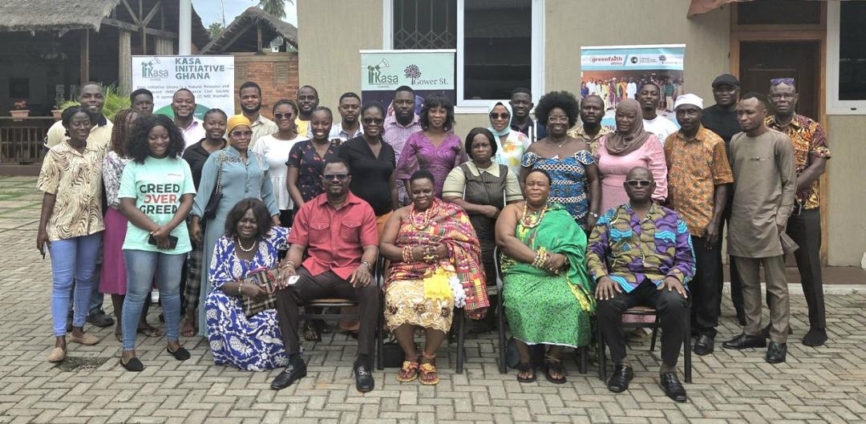
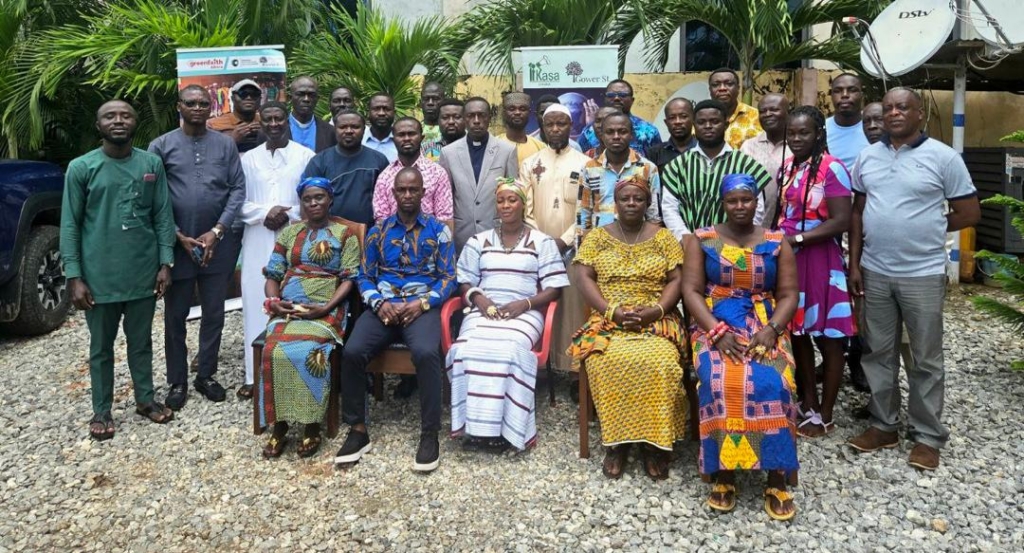
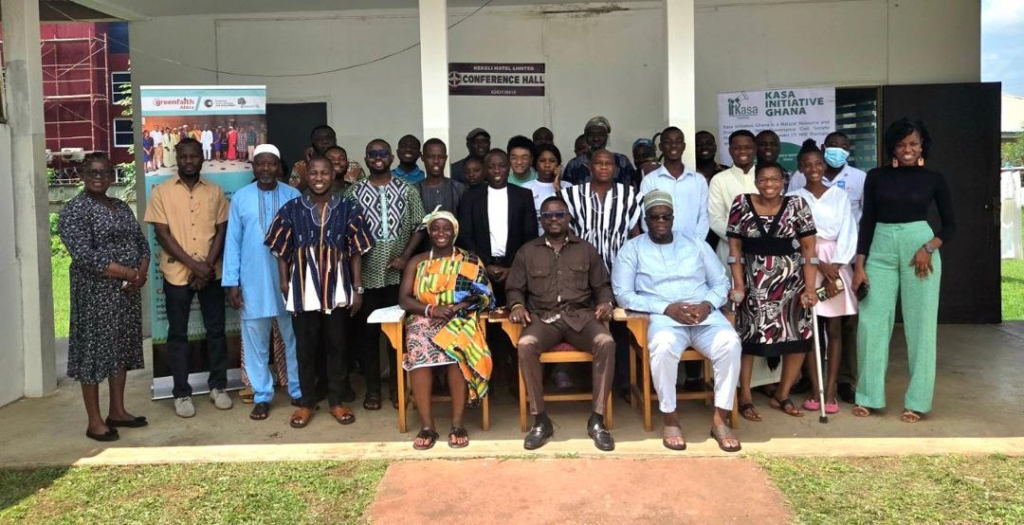
GreenFaith Ghana, together with KASA Initiative Ghana, collaborated with the Ministry Energy and Green Transition to lead a comprehensive successful engagements with Faith leaders and members of civil society organisations across three key locations in the Western (Takoradi and Ellembelle district) and Central Region (Cape Coast) of Ghana to provide an understanding on Ghana’s frameworks on Energy and Green Transition agenda, how it affects them and the entry points for them especially people faith leaders in these discussions.
These engagements brought together diverse persons from pastors, imams, chiefs and queen mothers, grassroots persons, people with disability, and members of the CSOs to discuss collectively while engaging with policy experts on some implementation mechanisms.
Greenfaith Ghana’s National Coordinator, Miss. Gifty Elikplim Agbenyefia used the platform to introduce her organisation and demonstrated practical ways faith leaders can integrate environmental stewardship into their teachings and mobilize their congregations for sustainable practices.
She explained that the faith community has been largely left out of discussions and implementation of climate action, even though they often serve as the shock absorbers for communities during climate catastrophes.
Miss Agbenyefia further stressed the importance of understanding, questioning, and examining policies to determine how they benefit communities. According to her, faith leaders play a crucial role in speaking truth to power, demanding accountability from the state, and influencing both policy and community members to drive collective climate action across the country.
Mr. Jonathan Gokah of the Kasa Initiative highlighted the critical need for community education on climate change issues. His presentation stressed that a successful energy transition requires informed communities that understand both the urgency of climate action and the practical benefits of adopting renewable energy.
He further emphasized that district assembly representatives present should explore how best to understand and integrate these policies into their medium-term development plans, rather than waiting solely on the government. He urged them to take advantage of the low-hanging fruit available to drive progress at the local level.
Dr. Robert Sogbadji, a Deputy Director and expert in Nuclear and Green Energy from the Ministry of Energy and Green Transitions, comprehensively engaged participants on the Ghana National Energy Transition Strategy, addressing the need to transition from fossil fuel dependency to sustainable energy sources.
His presentations provided participants with a comprehensive understanding of policy frameworks, available technologies, and the economic opportunities that green energy presents for local communities.
Key Highlights
Technical Knowledge:
Participants gained practical knowledge of renewable energy technologies suitable for Ghana, including solar, wind, and biogas. The sessions covered installation, maintenance, and financing models for community-scale projects, enabling participants to translate theory into practice.
Policy Understanding:
The workshops deepened participants’ understanding of Ghana’s renewable energy policies, available incentives, and regulatory frameworks. This equips communities to better navigate bureaucratic processes and tap into government support programs for green energy adoption.
Advocacy Skills:
Recognizing the importance of collective voices in driving policy change, participants were trained in advocacy strategies and tools. Faith leaders, in particular, learned to frame environmental and energy issues in ways that resonate with their congregations’ beliefs and values, enhancing their role as agents of change.
He also highlighted the Benefits of the Renewable Energy Transition as
- Greater diversity in the energy supply mix
- Improved air quality and public health outcomes
- Long-term reduction in energy costs
- Creation of new job opportunities in green industries
He emphasized that while Ghana’s energy transition agenda is promising and will help reduce funding for fossil-related projects, the country must be strategic in its approach to avoid potential threats to energy security, the risk of stranded assets, and possible job losses in the energy sector.
This is why a comprehensive approach to integrating renewable energy into the national energy mix is essential. He further noted that many of the projections for the transition were made before the escalation of galamsey (illegal mining), which has severely damaged water bodies. This environmental degradation now poses a significant challenge to Ghana’s energy transition agenda, particularly in relation to hydropower and sustainable resource management.
Latest Stories
-
Lamborghini Saga: EOCO boss has tarnished my brand and cost me business deals – Shatta Wale
3 hours -
Mugabe’s son drops bail request – what has happened to the family after losing power
3 hours -
Tyla deserved to win Grammy ahead of Nigerian artists – Joeboy
3 hours -
Ishmael Norman hails Interior Minister for choosing merit over politics in security recruitment
3 hours -
Iranian minister says country will not play in World Cup
4 hours -
No evidence Swiss bus fire was terrorism, officials say
4 hours -
Three brothers arrested after explosion at US embassy in Oslo
4 hours -
‘Disgusting but not surprising’: Domelevo demands dismissal, prosecution of officials in GH¢8.1bn audit rot
4 hours -
Nitiwul sounds alarm over Sokoto strike: Claims Ablakwa’s disclosure exposes Ghana to terror risk
4 hours -
Police arrest suspect for defilement, possession of child sexual abuse materials
4 hours -
Security services recruitment: Ntim Fordjour accuses Interior Ministry of milking over GH¢100m from applicants
5 hours -
Why risk protection is the unsung partner of growth for Ghana’s SMEs, households
5 hours -
New US ambassador to South Africa summoned over ‘undiplomatic remarks’
5 hours -
Three firms roll out AI-powered security platform for financial institutions
5 hours -
My passion for technology began in childhood – Shatta Wale
5 hours