

Audio By Carbonatix
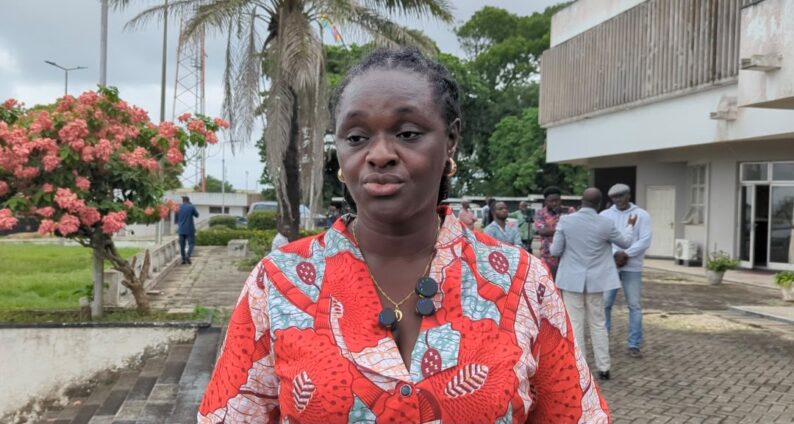
The Environmental Protection Authority (EPA) says Ghana’s planned ban on styrofoam and the gradual phase-out of single-use plastics will be critical in reducing the devastating impact of flooding across the country.
According to the Chief Executive Officer of the EPA, Professor Nana Ama Brown Klutse, while heavy rainfall cannot be avoided, the country can significantly reduce flood-related disasters by protecting waterways and ensuring that drainage systems remain free from waste.
Her comments come at a time when parts of the country, particularly Accra, continue to grapple with flooding that has resulted in loss of lives, destruction of property, and displacement of residents.
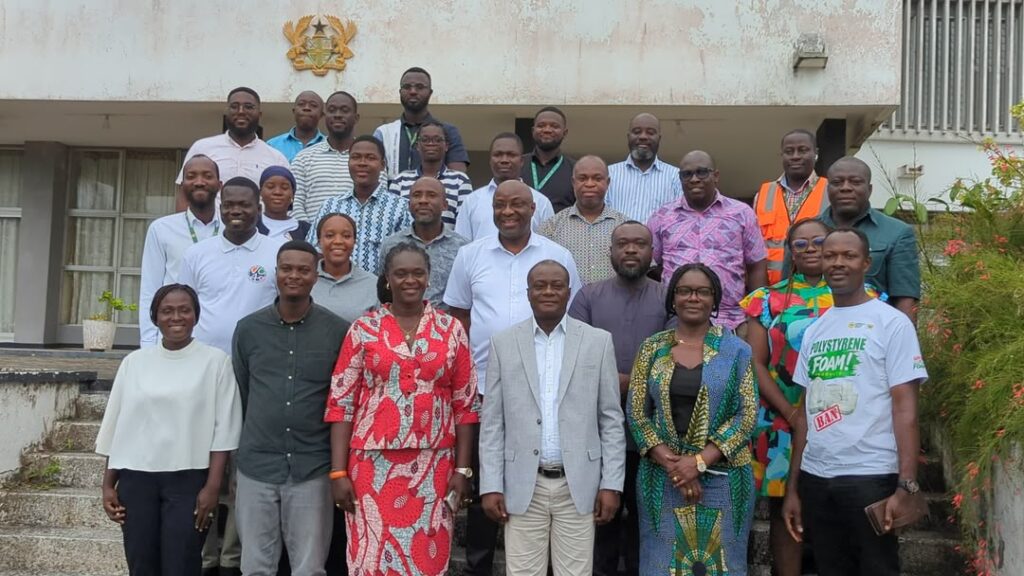
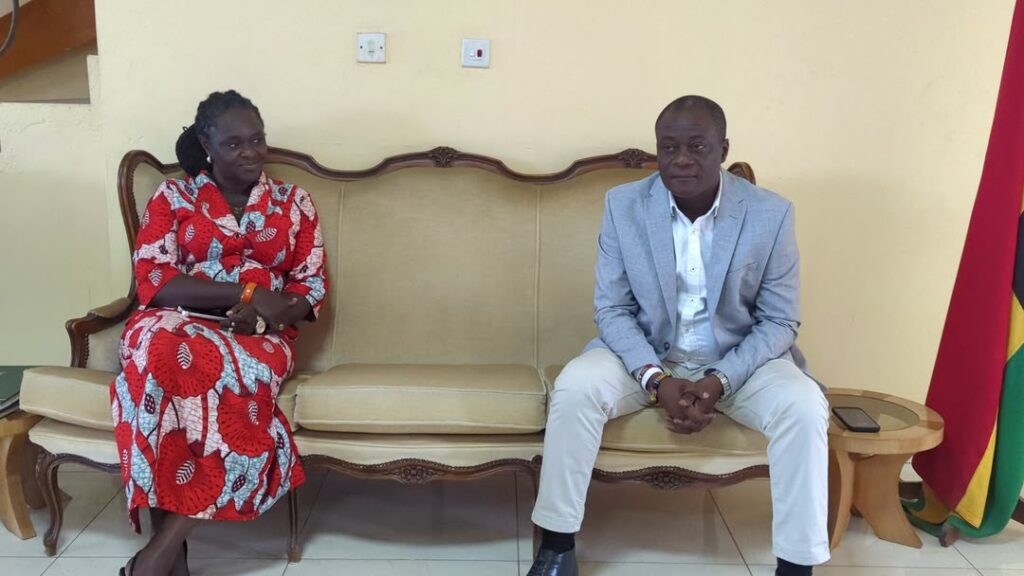
Speaking during a courtesy call on the Western Regional Minister, Professor Brown Klutse identified three major factors contributing to the flooding situation.
She cited heavy rainfall, construction on waterways, and the indiscriminate disposal of plastic waste as key challenges affecting the free flow of water.
“Flooding in Accra currently is a sad situation because we’ve lost lives and we’ve lost properties as well. We see three different things happening. The heavy rain is one of them,” she said.
“We also see that the pathways for the water to flow through our major rivers and wetlands are blocked because people have built on waterways.”
She explained that plastic waste, especially styrofoam containers, has become a major threat to drainage systems because they are often discarded into gutters, rivers and other water channels.
“If you see the water, you see plastics and styrofoams, which are waste materials dumped into flowing waters that are supposed to get to the sea. These choke the pathways as well,” she added.
Professor Brown Klutse stressed that although Ghana may not have control over the intensity of rainfall, deliberate actions can be taken to prevent human activities from worsening the situation.
“If we cannot avoid heavy rain from coming, we can avoid choked gutters and allow waters to flow,” she noted.
The EPA CEO said the Authority, with support from the government, will continue to push for the enforcement of the styrofoam ban as the first step towards addressing the wider challenge of single-use plastics.
“The styrofoam starts, and slowly we will engage stakeholders on the ban on single-use plastics. This, we believe, will help also solve the situation when there’s flooding or when there’s heavy rain,” she said.
Beyond plastic waste, professor Brown Klutse said the EPA is also concerned about the state of major rivers, wetlands and other ecosystems that serve important environmental functions.
She explained that some river channels have been affected by siltation, illegal activities, and developments that have altered their natural flow.
“The EPA is not just going to dredge the rivers; we are going to do a whole engineering process, allowing the rivers to flow from where they come from to where they need to go into the ocean eventually,” she said.
She added that wetlands, which serve as natural storage areas during rainfall, must be protected from encroachment.
“Wetlands are storage areas for these waters when it rains. We need to allow the wetlands to function as part of our ecosystem, and the EPA is going to ensure that,” she said.
The EPA CEO also revealed that the Authority has tested an innovative approach using ionic nano-copper technology to improve the quality of polluted water bodies.
She explained that the technology would be more effective after rivers have been restored to allow proper flow.
“One challenge we encountered is that the waters are not flowing, and so even if you treat the flowing river, it doesn’t really flow because the rivers are choked or blocked with silt,” she said.
She said restoring river flow first would allow the technology to help remove heavy metals and improve turbidity levels, potentially supporting the production of cleaner water for treatment by the Ghana Water Company.
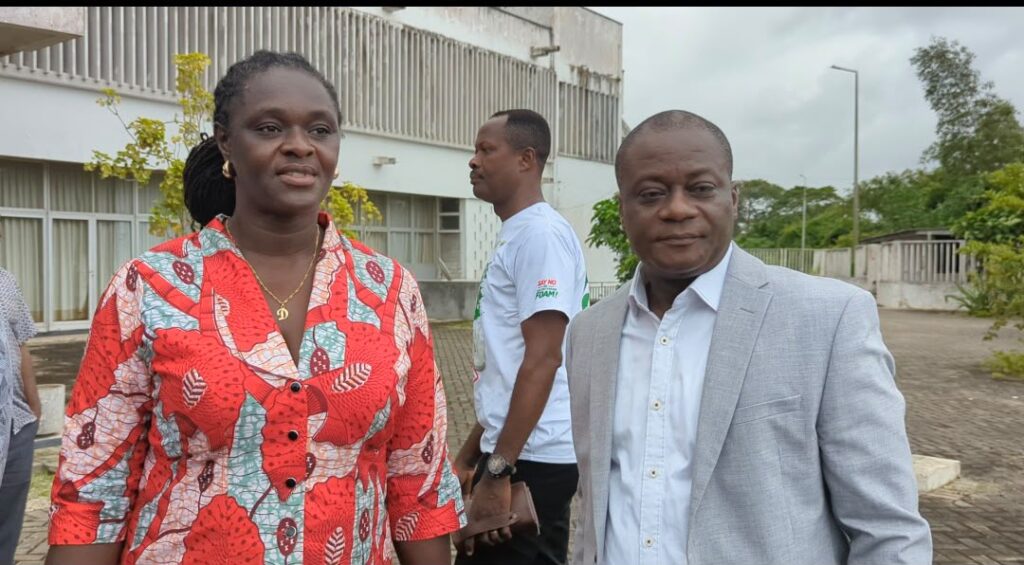
Meanwhile, the Western Regional Minister, Joseph Nelson, has called for a coordinated approach to managing river bodies, stressing that rivers do not respect administrative boundaries.
He used the Pra River as an example, explaining that activities upstream can undermine efforts being made downstream.
Latest Stories
-
Government procures over 2,000 transformers as Ghana’s electricity access hits 89.13% – Energy Minister
26 minutes -
UTAG-UG threatens strike on October 19 over unpaid allowance
35 minutes -
Let The Constitution direct Chieftaincy to deliver “All Development Is Local”
2 hours -
John Jinapor outlines renewable energy, nuclear power priorities for 2027
2 hours -
Ghana explores centre of excellence for hearing, communication and cochlear implant care
3 hours -
Schizophrenia-related disorders lead mental health cases recorded in Ghana
4 hours -
Dutch authorities enlist Ghana in hunt for fugitive drug lord Bolle Jos
4 hours -
Ghana housing finance conference adopts communiqué to improve affordable housing access
8 hours -
Special Initiatives Minister urges Wa Technical Institute to enrol more girls as EU-backed solar training lab opens
9 hours -
In the matter of my first year at the Bar
9 hours -
ActionAid Ghana calls for an end to child marriage, greater investment in girls’ rights
9 hours -
Newsfile to tackle World Cup visa scandal, beach demolitions, education strikes, BRICS bid
9 hours -
UK-Ghana Trade & Investment Summit: Trade Resource Centre to help businesses maximise UK-Ghana trade opportunities
10 hours -
Embassy of Denmark celebrates World Maritime Day
10 hours -
Linking LEAP to productive inclusion could cut extreme poverty by 2030 – UNICEF
11 hours