

Audio By Carbonatix
In a sudden twist of events, people across the globe are jogging in various places with masked faces.
Muslim women say that’s making public life in the burka much more pleasant, and everyone understands them now.
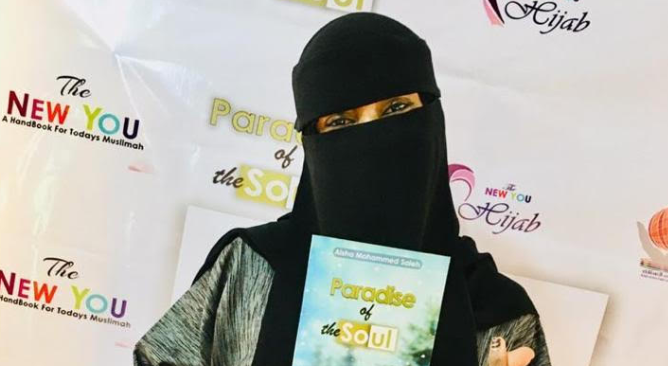
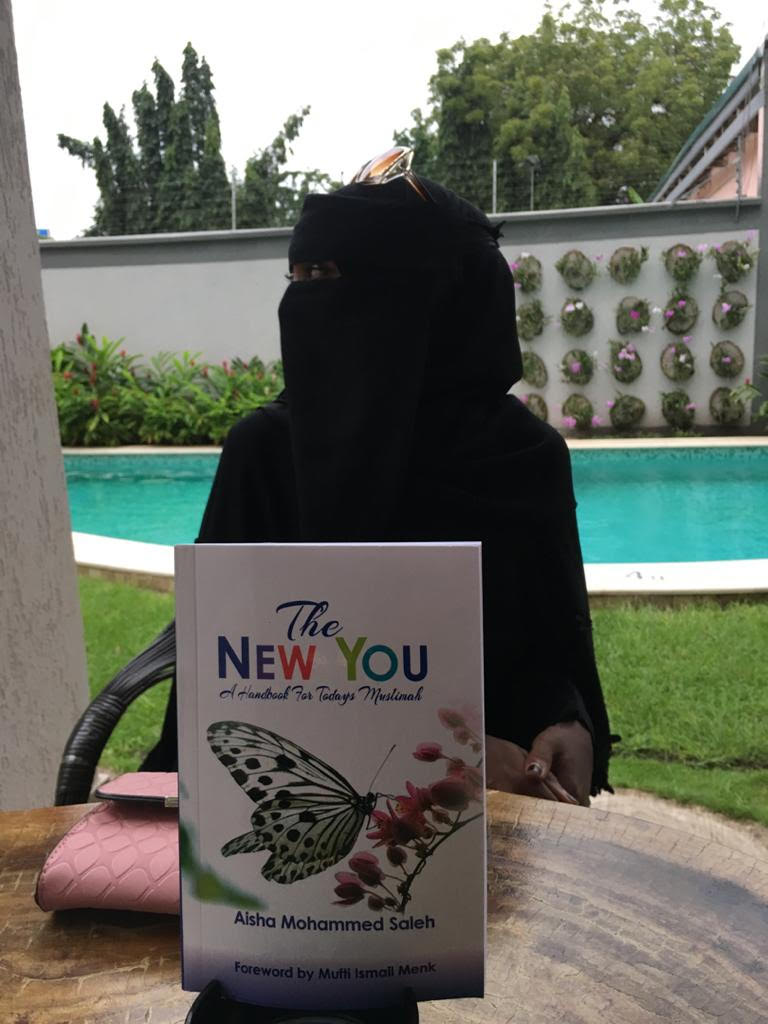
"I have been wearing Niqab (burka) for the past fourteen (14) years since I joined my husband in Saudi Arabia." That is according to 34-year old Aisha Mohammed Saleh.
And for that same period, Aisha says she has become the centre of public attention anytime she is spotted in the garment. Many of such looks and observations come with prejudice while few others with acknowledgment.
"The most devastating moment I remember was an encounter with the immigration at Kotoka International Airport."
Aisha says she was called for security checks and that certainly confounded her.
"It really made me nervous and anxious." she adds.
Some people tend to perceive niqab-wearing women as oppressed, backward, foreign and socially –separated.
Rabiatu Adam, a pharmacist from Accra, tells me her experience has been an interplay between good, bad and terrible.
Rabiatu almost gave up in the very early days about seven years ago due to negative public reactions.
"Yes, very bitter ones marked by sometimes people not even wanting to share the same seat with you in commercial vehicles," she laments.
Like many others, the 41-year old pharmacist has faced public ridicule, among others.
"Someone could walk up to you and ask if you could see clearly or ask why you decide to cover your face."
How Aisha, and Rabiatu who cover their faces now find greater acceptance of Covid-19 masks astounds them.
Aisha, for instance, says, many people are now inclined towards her and many others make a request for her niqab to wear for some protection.
"My friends now want to borrow my niqab and some are willing to buy," Aisha says.

Aisha's experience is not that different from Rabiatu's. Same ridicule in the past and equal praises now.
"This has been the best time ever to wear the niqab and a time when it has gain nearly complete public acceptance, if not for religious reasons, for health." Rabiatu expresses.
There’s a marked difference to the way Aisha, Rabiatu and their way of dressing are perceived. Nobody is giving them looks because of their covered face.
Though, Niqab-wearing women say, they are held in high esteem as experts on face covering, the million-dollar question that remains to be answered is whether this attitude will continue or it will disappear with the pandemic.
The question of whether the attire protects one from Covid-19 infection or transmission also remains a debate among health experts.
Neurosurgeon at Korle Bu Teaching Hospital says though it provides some form of protection, it can't fully protect one from the virus based on scientific reasons.
"Because of the nature of the virus, it can't completely protect you" Dr Mohammed Hadi clarifies.
Dr. Hadi however acknowledges niqab would somehow reduce the rate of transmission of Covid-19 among people especially in public spaces.
He says the Muslim dress provides same protection like most of the face masks sold on the Ghanaian market.
Dr Hadi adds that it will be good advocacy for Muslims with the Covid-19 virus to wear the Niqab.
For now, Aisha and Rabiatu say growing acceptance of face-covering has helped them to overcome a reluctance to use the niqab.
Latest Stories
-
Bryan Acheampong warns of permanent NPP split if Bawumia or Ken wins 2028 ticket
18 minutes -
Choose candidates who can win power in 2028—Wontumi to NPP
2 hours -
NRSA: Speeding, drink-driving behind 18.5% surge in road fatalities
2 hours -
GPL 2025/26: Asante Kotoko draw with GoldStars to extend winless run
5 hours -
Fire guts temporary wooden structures at Afful Nkwanta in the Ashanti Region
6 hours -
Haruna Iddrisu didn’t approve gender identity content – Education Ministry
6 hours -
‘We are not for sale’: Thousands rally in Greenland and Denmark against Trump’s annexation threat
6 hours -
Deputy Education Minister directs GES to act on video of SHS students displaying charms
6 hours -
From camouflage to tracksuits – Guinea’s junta leader becomes civilian president
6 hours -
Iran supreme leader admits thousands killed during recent protests
7 hours -
Judiciary to roll out court decongestion measures, galamsey courts – Chief Justice
8 hours -
Ugandan leader to extend 40-year rule after being declared winner of contested poll
8 hours -
Residents demand action on abandoned Salaga–Kumdi–Kpandai road
8 hours -
Ghana, Japan explore ways to deepen long-standing bilateral ties
9 hours -
Ghana Navy foils illegal fuel bunkering operation along Volta coastline
9 hours