

Audio By Carbonatix
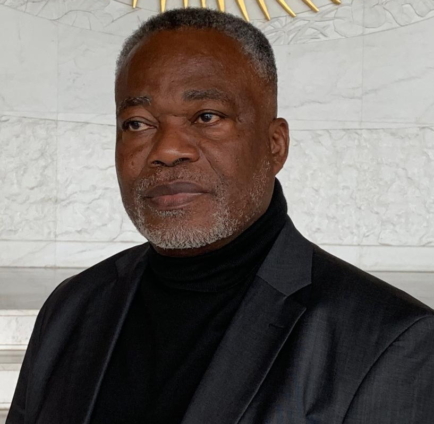
Security analyst Col Festus Aboagye (Rtd) has criticised the state’s inability to detect and prevent deadly attacks in the northern corridor, describing the situation as a dangerous intelligence gap that continues to cost lives.
Speaking on JoyNews’ PM Express on Monday, July 28, Col Aboagye said the state’s response to the recent killings of three students in Bawku and Nalerigu shows a repeated failure in intelligence operations.
“There have been several instances of attacks on convoys, will suggests that there is some deficit in intelligence, because Asawase happened, the state didn’t know.
"The state got to know after the fact, Ashaiman, assuming that it is related to Bawku, was also after the fact. The Nalerigu SHS was after the fact. Bawku SHS was after the fact.”
He said the answer lies in strengthening surveillance capabilities. “The other option is to enhance the intelligence resources, what we technically call ISR.”
Reacting to calls for a shift in military strategy from peacekeeping to peace enforcement, he said such a transition does not apply in this situation.
“I think that the shift, or the transition from peacekeeping to peace enforcement, is not applicable, but having said that, there are options other than shifting from peacekeeping to peace enforcement in courts which could have been explored when this conflict escalated in late 2023 following the enskinment of the rival Bawku chief, especially in 2024.”
Col Aboagye also questioned the adequacy of the military’s current strength in the region.
“The government’s response was to deploy a task force of 500. It’s about 18 months hence, has this size of soldiers been sufficient? So one of the first things we want to look at is the size of the force.
"Can we, for instance, increase it by another 500 to 1000 or 1500 to 2000 because this operation is about dominating the conflict area and dominance, first and foremost, is through personnel, boots on the ground.”
He argued that this dominance cannot be achieved without proper logistics.
“There have been occasions in the past when the military was using fuel coupons to draw fuel to be paid for by the government.
"The government was not paying the fuel suppliers, who were not charities withdrew the service. So we need, again, to enhance the logistics.
"Provide a task force with more vehicles, more transport, including armoured ones and give them more fuel.”
Col Aboagye’s comments follow the killing of two students at Nalerigu Senior High School and another final-year student at Bawku Senior High School on Saturday night.
The attacks are believed to be linked to the long-standing chieftaincy conflict in Bawku, which escalated further after the enskinment of a rival chief in late 2023.
Despite a heightened military presence and a tightened curfew, the killings continue, and Col Aboagye believes the state’s inability to anticipate and prevent these attacks is evidence that Ghana is “acting after the fact” — a pattern that, if not broken, will only deepen the crisis.
Latest Stories
-
Photos: President Mahama’s high-level session on reparatory justice at United Nations
19 minutes -
‘Likely to cause financial loss’ – Minority demands OSP, CHRAJ probe into old BoG office contract
25 minutes -
Ghana is home to most slave structures in Africa – Mahama
44 minutes -
Scrutinise sole-sourced contracts beyond percentages – Edem Senanu cautions gov’t
48 minutes -
5 secrets that will make your living room look expensive, according to pro designers
56 minutes -
Recording Encounters with Security Forces in Ghana Wrong? – Forced Deletion of Evidence?
57 minutes -
About 1,200 businesses in Burma Camp to start paying for electricity as gov’t scraps exemption
1 hour -
Ghana’s Next Big Reform should be Migration
1 hour -
There’s no such thing as a slave – Mahama urges global rethink at UN
1 hour -
EOCO’s case crumbles as High Court clears Gabriel Tanko Kwamigah-Atokple
1 hour -
UN slavery resolution a pathway to healing and justice – Mahama
2 hours -
Mahama warns against modern-day erasure of black history in schools, media
2 hours -
At Nobi Agriculture, scale and systems redefine farming in Ghana
2 hours -
TCL named official electronics sponsor of UG Corporate Football League
2 hours -
Hon Stanley Basil Bade Carboo aka Nene Opertoto II
2 hours