

Audio By Carbonatix
The Harmattan arrived in Kumasi late January 2026, against its anticipated season the month earlier. But when it finally settled in, it did not come quietly. It came with dry winds, brittle air, and a wave of fire outbreaks that have left markets, workshops, and homes reduced to ashes, with families counting losses they may never fully recover from.
In recent days, the Ashanti Region has recorded a troubling rise in fire incidents, many occurring in commercial and high-density areas. The pattern has raised serious concerns about fire safety and preparedness across the city.
The Ghana National Fire Service continues to battle these fires, yet in several cases, the exact cause or causes remain unclear. What is clear, however, is the scale of destruction. Livelihoods wiped out, hundreds displaced, and deep gaps exposed in the city’s fire prevention systems.
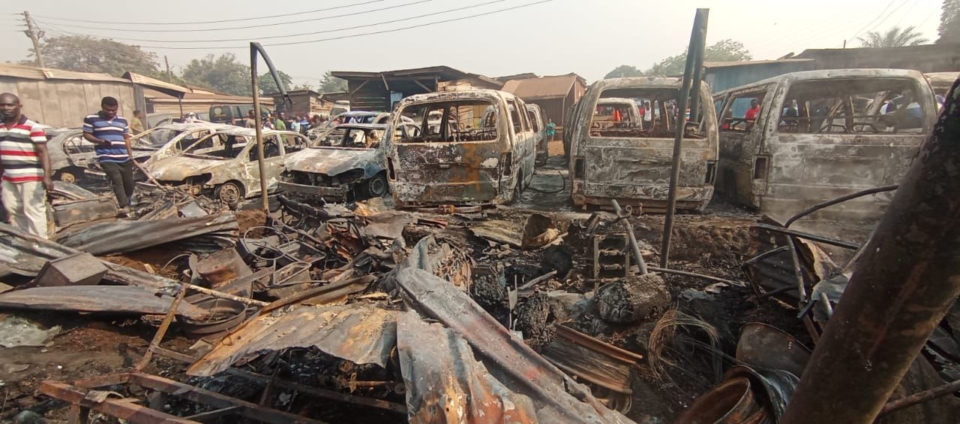
The first major outbreak came on Saturday, January 17, 2026, at Dagomba Line in the Oforikrom Municipality. At about 4:30 p.m., fire tore through the informal settlement, consuming more than 300 wooden structures and leaving over 700 residents homeless. Most of the victims, who are head porters and scrap dealers, lost everything they owned.
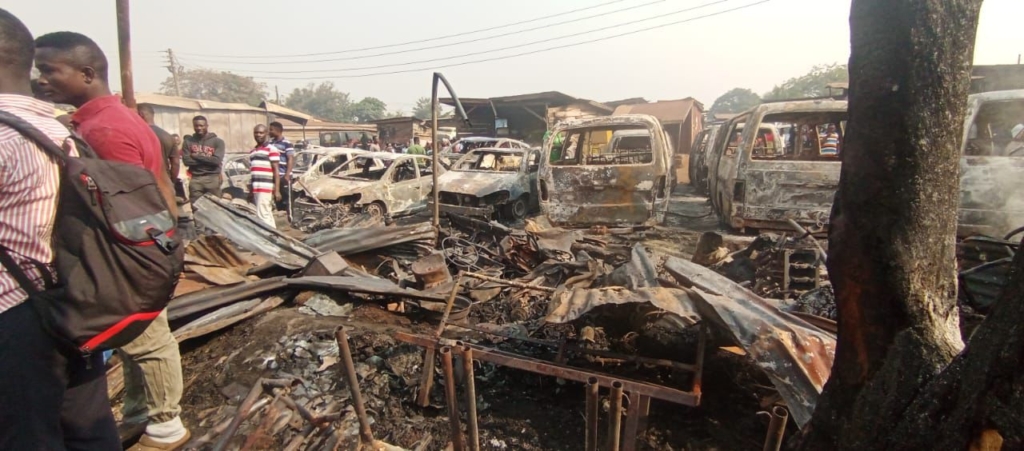
In the aftermath, residents sifted through the charred remains of their shelters, salvaging twisted metal and scrap to sell for survival. With nowhere else to go, some began rebuilding fragile structures almost immediately, desperate for a place to sleep with their families.
The cause of the fire remains uncertain.
“People can cook and leave the fire there, which can blow out and set the entire place ablaze. As of now, we do not know the cause of the fire,” one victim said.
As frustration and fear spread, Kumasi Mayor Richard Ofori Agyemang Boadi visited the area, promising investigations and relief support. He acknowledged that fires at Dagomba Line have become almost annual, admitting to deeper systemic failures.
“Every year, we have incidents of fire taking place in the Dagomba Line. What it means is that there’s something that we’re not doing right. So, we’re going to send our NADMO and fire officers to do a comprehensive assessment of the place.
"The Assemblyman is going to lead an effort to make sure that we put in place measures to forestall the incidents of annual fire occurrence here at Dagomba Line,” said the Mayor.
A week later, on Sunday evening, fire struck again. This time at a cluster of mechanic shops at Sofoline Magazine in the Kwadaso Municipality.
Around 7:00 p.m., flames were first spotted in one workshop before rapidly spreading to adjoining shops. The blaze fed on oil, tyres, fuel residues, and spare parts, materials that burn fast and burn intensely.
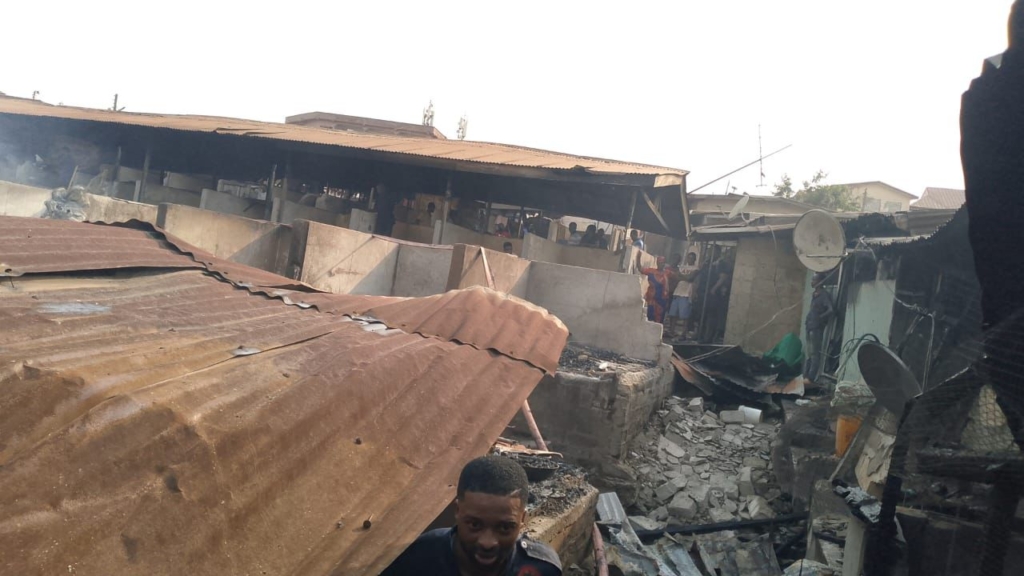
Despite a swift response from the Ghana National Fire Service, the intensity of the fire made containment difficult. It took nearly four hours to bring the situation under control, by which time at least 34 vehicles under repair had been completely destroyed.
For many mechanics and vehicle owners, the loss went beyond metal and machinery. Years of savings, customer trust, and daily income vanished in a single night.
“At first, we thought someone was burning refuse, but it wasn’t that. The fire was already burning above the rooftops.
"That was when we started trying to put it out and called the Fire Service. When the fire tender arrived, there was no water in it, so they had to go and fetch water from IPT,” a victim at Sofoline said.
“Three people fainted during the incident. Two of them are currently receiving treatment at the hospital,” another victim added.
“People brought their cars to us to work on, and now we have to bear the cost ourselves,” another mechanic lamented.
“We have the station alright, but there’s no fire tender to serve the community. I spoke to the regional commander last week, and he told me the car is faulty. They are repairing it, so in no time we will see it at the station,” a firefighter said.
Barely a day later, on Monday night, another blaze lit up the Kumasi skyline. At about 10:00 p.m., fire swept through Anwona Market near Afful Nkwanta, destroying several shops and their goods. Traders who had closed for the day returned to scenes of smoke, ash, and uncertainty.
Just two days later, on Wednesday, yet another fire outbreak occurred at sections of the Atonsu Bokro Market in the Ashanti Region. The blaze was brought under control following the swift intervention of the Ghana National Fire Service, with support from residents in the area, who worked together to contain the fire and prevent it from spreading to other parts of the busy market.
These back-to-back incidents have intensified fears across Kumasi’s commercial spaces, where fire-fighting systems remain worryingly inadequate.
Kejetia market, the major trading centre in the city, sits on tenterhooks. Fire panels meant to detect and control outbreaks do not work. Water hoses leak. Cord reels are faulty. Sprinkler systems, where they exist, are sometimes blocked by unauthorized shop extensions. Emergency exits are congested with goods, narrowing escape routes in already overcrowded spaces.
Requests by the Ghana National Fire Service to replace outdated fire couplings remain pending, further weakening emergency response capacity.
Traders say they feel exposed.
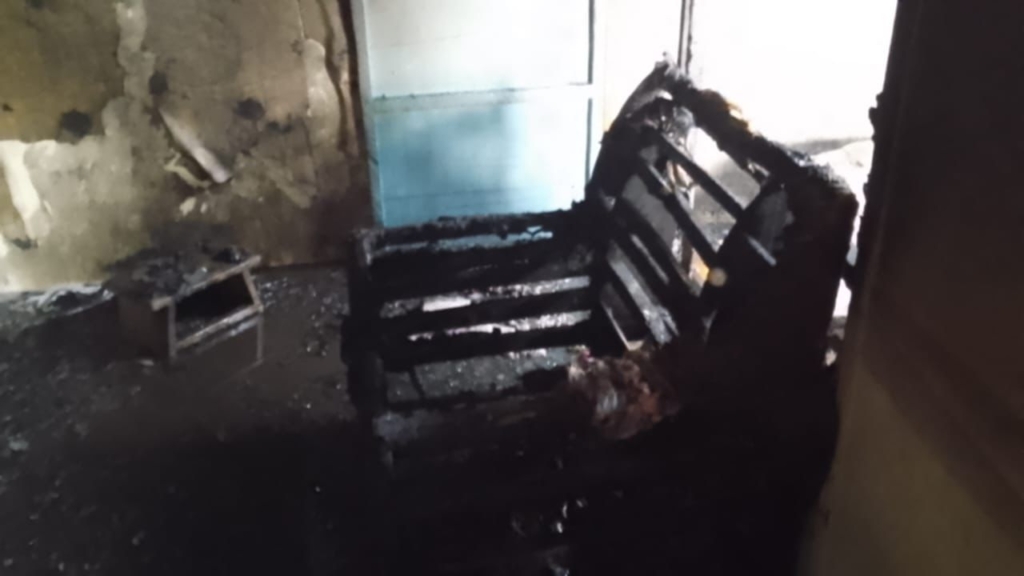
“We are concerned with the state of the fire-fighting equipment. That is why we are calling on management, as a matter of urgency, to repair and restore these faulty gadgets that have been identified by the Ghana National Fire Service. Traders are limited, ours is to complain,” said Nana Akwasi Prempeh, President of the Federation of Kumasi Traders Association.
Ashanti Regional Minister, Dr. Frank Amoakohene, acknowledging how successive governments have failed to battle perennial fires, pledged to dispatch firefighting tools to the region.
“It’s a source of worry. Usually, when these things happen, they come up for discussion, and it dies down. Dr. Ato Forson [Finance Minister] made an announcement that we will be procuring 100 fire tenders to support the fire stations. Definitely, when they are ready, Ashanti Region’s share will be made available to us,” he promised.
Yet for many residents and traders, these assurances come after the losses, not before them.
Across Kumasi, these fires tell a connected story. A story of dry weather, congested urban spaces, aging infrastructure, weak enforcement, and safety warnings that go unheeded.
A story of people who wake up to smoke instead of morning light, and of businesses that close not because of market forces, but because of flames.
Latest Stories
-
Easter gesture: Ablakwa settles medical bills for 85 North Tongu constituents
39 minutes -
Africa must harness its population strength—Titus-Glover
39 minutes -
Visa-free access doesn’t mean unlimited stay – Lom Ahlijah
41 minutes -
From Golgotha to Kwahu: The Easter Migration of the Faithful and the Faithless
2 hours -
How the Ghanaian onion traders’ standoff with Nigeria unfolded and threatened local supply
2 hours -
No compensation for demolished structures on 24-Hour Economy market lands — Gov’t to structure owners
2 hours -
Financial Institutions must back local enterprises to spur growth – Deputy Minority Whip
3 hours -
Photos: Gomoa Easter Carnival 2026 ends in a burst of colour and celebration
3 hours -
Gomoa Easter carnival ends in colour as fashion, music and celebrity appearances light up final night
3 hours -
Families pick Luv Fm Family Party to celebrate Easter Monday with music and more
3 hours -
IMANI flags procurement issues in Ghana Gas insurance switch
4 hours -
Kaneshie footbridge rehabilitation to take up to 9 months — AMA
4 hours -
AMA confirms trading will be banned on Kaneshie footbridge after rehabilitation
4 hours -
IMANI flags procurement concerns in state insurance placements
4 hours -
Mahama’s push for visa-free Africa reflects Nkrumah’s Pan-African vision – Rashid Tanko-Computer
4 hours