

Audio By Carbonatix
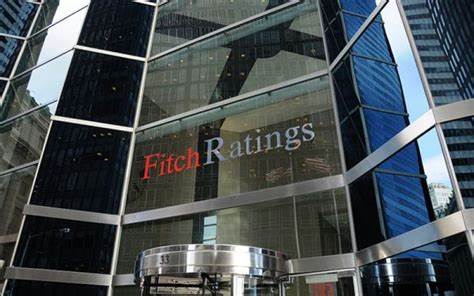
Ratings agency, Fitch, has expressed a neutral outlook for African banks this year, with uncertain business conditions and Covid-19 risk constraining recovery.
It is however anticipating a slightly faster rise in lending with most economies growing at an appreciable rate, it said in its report on “African Banks - No Easy Road to Recovery”.
“We see significant uncertainty with Africa being particularly at risk from new Covid-19 variants, amid very low vaccination rates and governments' limited fiscal space. If this risk materialises, it could change the outlook quite dramatically.”
There are about 10 African banks operating in the country. Fitch said the banks are likely to make mistakes in the pursuit of growth under prevailing operating conditions, which are fraught with challenges and uncertainty, predicting a return to normalisation in 2023 or further.
“Banks are likely to make mistakes in the pursuit of growth under prevailing operating conditions, which are fraught with challenges and uncertainty. We believe a return to normalisation will be beyond 2022. Even excluding the serious threat of new variants, banks face the prospects of limited earnings growth, and, therefore, limited loss absorption capacity," says Mahin Dissanayake, Head of African Banks at Fitch.
Downgrades of banks
It said the pace of downgrades has significantly reduced in 2021 compared with the prior year, and therefore barring any significant downside risks, it expect these trends to persist in 2022.
“Other things being equal, we do not believe asset quality deterioration will be widespread, even with the unwinding of remaining government-support measures. The fast rebound in formal and informal economic activity in 2nd-half 2020 and 2021, strong commodity prices and the resilience of certain economic sectors and loan restructuring continue to contain corporate bad debt.”
Again, it said high unemployment and the consequent impact on retail loans remain a risk, adding, “the fast accumulation of government debt securities by banks presents a key risk as the focus shifts to sovereign debt sustainability.”
Latest Stories
-
AMA creates alternative pedestrian routes at Kaneshie after footbridge closure
2 minutes -
Ghanaians were misled- NPP accuses NDC of politicising Anti-LGBTQ bill
3 minutes -
Photos: Mahama receives full state welcome in Paris ahead of talks with French President Macron
24 minutes -
Deputy Health Minister endorses Women in Medicine Fellowship
25 minutes -
Duncan Amoah pushes for Consumer Protection Bill amid VIP fare hike
37 minutes -
LMWG backs Damang lease award to E&P, demands transparency and results
42 minutes -
Volta Chiefs condemns EOCO over alleged disregard for court ruling in Council of State member case
43 minutes -
Matthew Perry’s stepmother says ‘Ketamine Queen’ should get maximum sentence
43 minutes -
Northern Regional Police Command intensifies anti-drug operations, arrests 217 suspects
44 minutes -
The architect of a healthier Ghana: Mahama’s vision and legacy in primary healthcare
46 minutes -
Israel carries out large wave of air strikes across Lebanon
52 minutes -
BBC upholds complaints over racial slur in Baftas broadcast
52 minutes -
Kukurantumi set to host 2025/26 Women’s FA Cup Final as Hasaacas Ladies face Army Ladies
53 minutes -
Where the law stops: Torture, power, and the failure of prevention in Ghana
53 minutes -
Only 6% of imports insured locally despite mandatory policy – GSA raises concern
58 minutes