
Audio By Carbonatix
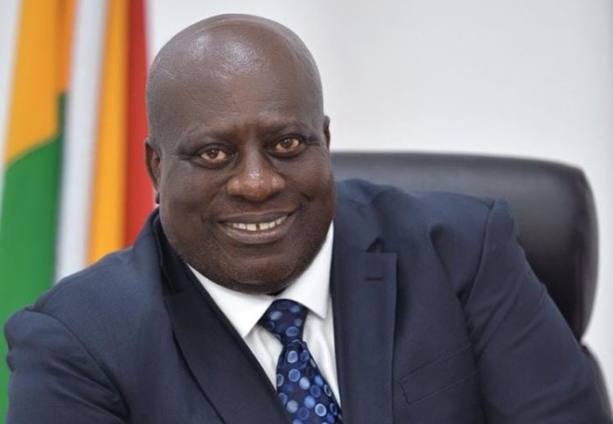
A former Chief Executive Officer for the Ghana Grid Company (GRIDCo), Jonathan Baah, says diversifying Ghana’s energy sources is one of the panaceas to the country's energy sector debts.
He said diversifying Ghana’s energy mix to include more renewable energy sources than thermal sources could reduce the cost of power generation, which is one of the major drivers of energy sector debt.
“Diversifying our energy mix to include more renewable energy sources such as solar, wind, and hydro can reduce reliance on expensive thermal power and enhance energy security. Investments in renewable energy should be accompanied by incentives and policies that can encourage private sector participation in generating electricity for the country,” he said.
Thermal generation accounts for the largest share of Ghana’s power generation, representing 66 per cent of Ghana’s thermal power generation, which is fuelled largely by natural gas but occasionally with light crude oil and diesel and 33 per cent of hydro.
The former CEO of GRIDCo said this during a training session organised by Energy News Africa to train journalists on the operations of the key players in the energy sector value chain.
Facilitators from the various departments and agencies in the energy sector took turns to educate the journalists on their duties and challenges.
Ing. Baah said delayed payments from government institutions and the high cost of producing power by the power generator also worsened the debt situation in the energy sector.
These challenges, he said, could be addressed through the implementation of cost-reflective tariffs that reflected the cost of the power generation and an effective payment schedule with the power generators, although such measures might face political challenges.
According to Edward Bawa, a member of the Energy Committee in parliament, the power sector is currently facing a $1.5 billion debt that the government is unable to pay.
Mr. Baah noted that technical losses through distribution losses by the Electricity Company of Ghana also occasioned the debt situation in the energy sector.
He said most of the infrastructure used in the distribution of electricity was old and inefficient, as it was installed as late as the 1960s.
He, however, advised the government to pursue strategic reforms and investments through enhancing and upgrading infrastructure and improving billing and metering systems to address technical and distribution losses.
Mr Baah also said effective management of the energy sector required strong government structures.
He emphasised that the strong government structure included a transparent regulatory framework and accountability mechanisms.
Latest Stories
-
CIMG, Kings University College sign MoU to expand access to marketing certification
3 minutes -
IJM Ghana donates surveillance drone to Police Marine Unit to combat child trafficking on Volta Lake
9 minutes -
Gyan headlines Ghana, Africa presence as PUMA unveils World Cup kits in New York
23 minutes -
Gov’t initiates talks with Burkina Faso over fresh tomato export ban
37 minutes -
Joy Ghana Fest 2026 off to a flying start as doors open at Achimota Retail Center
48 minutes -
3 dead as tipper truck crashes into vehicles on Apire–Hemang road
2 hours -
Eid-ul-Fitr: Chief Imam urges Ghanaians to protect environment
2 hours -
Netanyahu says Israel ‘acted alone’ in Iran energy strike, will heed Trump’s call not to repeat attack
2 hours -
Police nab 12 over highway attacks in Ashanti Region, recover weapons
3 hours -
They were not set up to help Africa – Seth Terkper on global finance
3 hours -
IHRC calls for peace in Middle East as Muslims mark Eid
3 hours -
Bretton Woods institutions were never built for Africa – Seth Terkper
3 hours -
Jinijini–Sampa road to be completed by 2027 — Mahama
12 hours -
Afroman wins legal battle over songs mocking US police
12 hours -
MTN Ghana deepens role in national growth with record tax contributions and expanded investments
12 hours