

Audio By Carbonatix
A researcher at the University of Cambridge has bemoaned the lack of an institutionalised framework to regulate activities of foundations founded by the wives of Presidents and Vice Presidents.
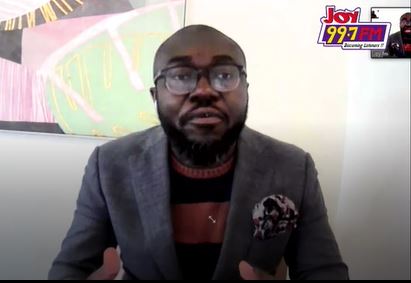
Oliver Barker-Vormawor, speaking on Tuesday's edition of the Super Morning Show, questioned the basis on which state institutions donate huge sums to such foundations operating without recourse to any Charity's Commission.
He described the outcome as disturbing.
"We have seen this consistently; you see First Ladies spring up with foundations from nowhere, with no track record, with no presumption they can perform the roles they set for themselves because we don't have any Charity's Commission that is auditing these proposed foundations."
He was contributing to discussions on whether it was appropriate to pay salaries to the spouses because of the role they play in the state with charity foundations they establish.
Mr Barker-Vormawor stated that the spouses are not obliged to perform any grand roles during the tenure of their husbands.
The academic said such roles are courtesies that came with the office.
He noted, for instance, that in other states and even during the days of presidents who assumed office before the Jerry John Rawlings administration, their spouses were not seen actively performing any grand roles in the public domain.
"I don't know how many people know Angela Merkel's spouse, and she had been in office for so many years. In Ghana, it used to be so for so many years. However, it is when Mrs Rawlings came into the role as head of state with the 31st December Women's Movement that she basically transformed that role," he said.
"So let's not assume that once you've come into the role, you have to perform all these functions," he said.
He added that it was unfair for the spouses to expect to be paid by the state because of works done through their foundations.
"Nobody is saying that Presidential spouses should go around and drill boreholes; they choose to do that themselves, and they do that in the context of a foundation that they have created for themselves.
"Once they do that, they do not become the ward of the state, and I think its already unfair to expect that they do that, and so the state must pay them," he added.
Latest Stories
-
Power restoration fault suspected in Kumasi Central Market fire
4 hours -
The 7-foot giant of Ngleshie Amanfro: Seven-foot Ghanaian Ephraim Saawa dreams of joining the national basketball team
5 hours -
Government promises support for Kumasi Central Market fire victims
5 hours -
Vibes The Movie: Big Ghun’s Ghanaian film earns five nominations at 2026 REFFA
6 hours -
MamaCare CEO warns unresolved conflicts among health workers could undermine maternal and neonatal care
6 hours -
Health professionals urged to translate medical knowledge into practice to save mothers
6 hours -
Conflicts among care providers linked to maternal, neonatal deaths – Expert
8 hours -
GIS marks 10th TIME conference, champions improved teaching practices
8 hours -
BRICS Or Balance? What Ghana’s bid really means
8 hours -
GPRTU wants full TRAFFITECH-GH implementation to start in 2027
9 hours -
How 10-mile walks for basic education birthed a 50-year legal career for Justice Korbieh
9 hours -
Mahama announces plans to import electric wheelchairs for PWDs
9 hours -
KGL U17 Colts 2026: Western beat Prempeh Elite Academy to set up final final with Greater Accra Region
9 hours -
Late Solanke strike salvages 10-man Spurs draw at Man United
9 hours -
Gender Ministry to monitor welfare of Nana Akua Addo’s children amid domestic violence case
9 hours