

Audio By Carbonatix
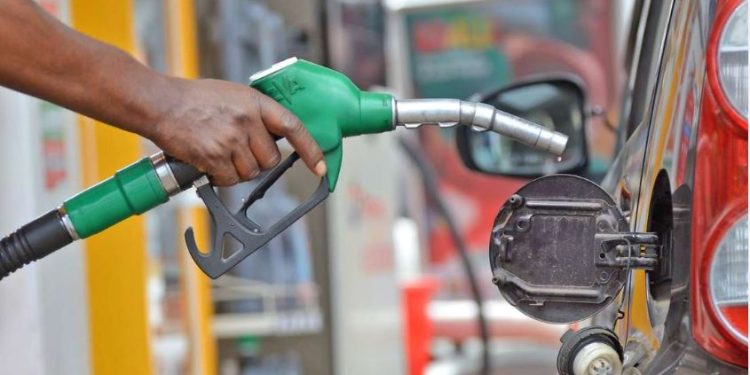
Ghana’s economy is gradually regaining its footing. The relative strengthening of the cedi, combined with a noticeable decline in global crude oil prices, presents a rare opportunity for real consumer relief, particularly at the fuel pumps.
Under normal market conditions, such developments should translate into lower fuel prices and reduced cost-of-living pressures for households and businesses alike. Yet, for many Ghanaians, this relief remains largely unrealized.
The reason lies not in global markets, but in domestic policy constraints. Ghana’s current petroleum pricing framework, specifically the price floor and ceiling mechanism overseen by the National Petroleum Authority (NPA), has limited the ability of Oil Marketing Companies (OMCs) to fully reflect favourable market conditions in pump prices.
While the framework was well-intentioned, its rigidity in today’s economic context has become counterproductive.
With global petroleum prices trending downward and exchange-rate pressures easing, fuel prices in Ghana could reasonably fall significantly—potentially to around GHS 8.70 per litre.
However, regulated price floors prevent OMCs from reducing prices beyond prescribed limits, even when cost structures and market realities justify further reductions. This disconnect raises a critical policy question: Is Ghana’s current pricing regime fit for today’s economic realities?
Why the Existing Pricing Framework Requires Reform
The price floor mechanism was originally designed to prevent predatory pricing, protect smaller OMCs, and ensure industry stability during periods of volatility.
In times of rising prices, such safeguards play an important role. However, in a period of sustained global price declines, the same mechanism now suppresses competition and delays consumer relief.
Markets function best when prices are allowed to adjust, within reasonable and transparent safeguards. When OMCs are prevented from passing on efficiencies and cost savings, incentives for operational innovation weaken, consumer confidence erodes, and the public begins to question whether macroeconomic improvements truly benefit ordinary citizens.
Regulation should not inadvertently protect inefficiency or insulate prices from positive global trends. Instead, it should evolve in step with economic realities.
The Need for a Pricing Regulatory Commission
This challenge points to a broader structural gap in Ghana’s economic governance: the absence of a dedicated, economy-wide Pricing Regulatory Commission.
Such a body would not replace sector regulators like the NPA, PURC, or others. Rather, it would complement them by providing coordinated oversight of pricing dynamics across strategic sectors.
A Pricing Regulatory Commission would:
- Ensure that fuel prices accurately reflect global market movements and local cost structures
- Promote transparency and consistency in pricing models across key sectors
- Protect consumers while preserving fair and healthy competition
- Provide evidence-based advice to government on price distortions, inflation transmission, and cost-of-living pressures
By taking a holistic view of pricing across the economy, such a commission would help ensure that economic gains are equitably shared.
Economy-Wide Benefits of Meaningful Fuel Price Reductions
Fuel pricing has far-reaching implications beyond the petroleum sector. Petroleum products are foundational inputs across the economy. When fuel prices decline meaningfully and transparently:
- Public transport operators can reduce fares
- Logistics firms and spare-parts dealers benefit from lower operating costs
- Construction, real estate, and infrastructure development become more affordable
- Small businesses and informal traders experience relief from high transportation and energy expenses
Ultimately, households feel the impact through reduced cost-of-living pressures. This is how macroeconomic recovery translates into lived economic improvement.
A Call for Legislative and Policy Action
It is time for deliberate policy flexibility. The National Petroleum Authority should engage Parliament to review and amend the petroleum pricing framework—specifically to allow for the temporary suspension or adjustment of price floors during periods of sustained global price decline.
Such flexibility would preserve safeguards during upward price cycles while allowing market forces to deliver consumer benefits during favourable conditions.
Economic regulation must be dynamic, not static. Policies should respond to changing realities, not constrain progress.
Conclusion
Ghana stands at a critical moment. The economy is stabilizing, global conditions are favourable, and public expectations for relief are rising. To sustain confidence and ensure inclusive growth, pricing policies must evolve to reflect present realities.
The establishment of a Pricing Regulatory Commission, alongside targeted reforms to the petroleum pricing regime, will help ensure that economic progress is not confined to reports and statistics but felt in transport fares, fuel prices, and everyday household expenses.
Ghana’s best days lie ahead, but only if policy choices are bold, responsive, and firmly centred on the welfare of the Ghanaian people.
Latest Stories
-
‘We’ve become quite experienced in negativity’ – Liverpool’s Slot
3 hours -
Legendary manager Lucescu dies days after resigning
4 hours -
One dead as train travelling 99mph collides with lorry in France
4 hours -
Airlines cut flights and hike fares as fuel prices surge
4 hours -
Kane inspires Bayern to first-leg advantage over Real Madrid at Bernabéu
4 hours -
Wireless Festival cancelled after Kanye West blocked from coming to UK
5 hours -
Wa West MP commissions five boreholes for the benefit of his constituents
5 hours -
Havertz’s late strike hands Arsenal narrow first-leg advantage over Sporting
5 hours -
Damang mine award: Minority not against Ghanaian participation; we’re asking for fair process – Konadu
5 hours -
NPA to enforce stricter registration rules for petroleum tankers
5 hours -
Manhyia South MP laments decline in hospitality operations in his constituency
6 hours -
How a simple clean charcoal innovation could benefit Ghana’s climate future
6 hours -
NPA, COMAC launch Safety Week 2026 to promote risk management in petroleum sector
6 hours -
Stakeholder engagement resolves onion trade impasse
6 hours -
Gender Ministry holds staff durbar, welcomes new Chief Director
6 hours