

Audio By Carbonatix
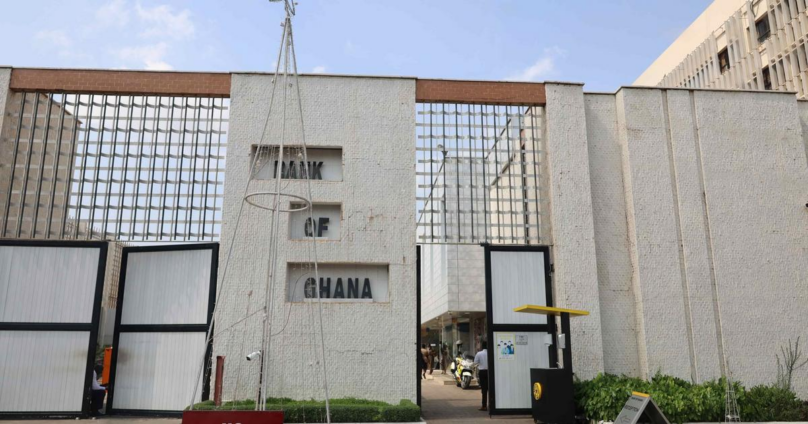
The Bank of Ghana (BoG) and the National Bank of Rwanda (NBR) have taken a significant step towards advancing financial technology innovation and integration in Africa.
The two countries have signed a Memorandum of Understanding (MoU) to establish a licence passporting framework and enhance cross-border payment interoperability for regulated fintech companies.
The MoU was signed on February 25, 2025, during the Inclusive Fintech Forum in Rwanda, which ran from February 24 to 26.
The signing ceremony was attended by the Governor of the National Bank of Rwanda, Mr. John Rwangombwa, and the Governor of the Bank of Ghana, Dr. Johnson Asiama, along with other key officials from both central banks.
The newly established licence passporting framework aims to ease cross-border operations for regulated fintechs licensed in either Ghana or Rwanda.
With this initiative, fintech companies from both countries will be able to expand their services with minimal additional regulatory hurdles, thereby accelerating innovation and supporting the growth of the financial technology sector across borders.
Highlighting the importance of the agreement, Dr. Johnson Asiama stated, “The signing of this memorandum of understanding reaffirms our commitment to the broader idea of an integrated African market.
"It holds the prospect of enhancing the livelihoods of our citizens and creates opportunities for an environment that encourages fintech innovation and investment, ultimately benefiting our economies, particularly micro, small, and medium-sized enterprises (MSMEs).”
Echoing similar sentiments, Mr John Rwangombwa emphasized the need for a balanced approach in developing cross-border payment systems.
“We recognise that creating an effective cross-border payment infrastructure requires more than just innovation. It demands a forward-fitting regulatory framework that balances risks and opportunities,” he noted.
Both the Bank of Ghana and the National Bank of Rwanda expressed optimism that this enhanced cooperation will spur prosperity and development within the digital payment ecosystem of both countries.
By fostering easier access for fintech companies to operate across borders, the two central banks aim to promote financial inclusion, increase competitiveness, and stimulate economic growth in their respective markets.
This agreement marks a significant stride toward realising the African Continental Free Trade Area (AfCFTA) vision of seamless trade and financial integration across the continent.
With fintech playing a pivotal role in reshaping how financial services are delivered, the partnership between Ghana and Rwanda is expected to set a new benchmark for regional collaboration in Africa’s rapidly evolving digital economy.
Latest Stories
-
Church of Pentecost supports over 2,000 BECE candidates in Obuasi with career guidance seminar
42 minutes -
Brandon Asante and Coventry all but promoted to Premier League despite Sheffield Wednesday draw
1 hour -
GPL 2025/26: Late Kwartemaa strike downs Hearts in Tema
1 hour -
Ghana Faces Sierra Leone Moment as Prosecutorial Powers come under strain
1 hour -
Don’t consume fish or seafood from Tema Shipyard until further notice – FDA warns
1 hour -
Why volunteering might be Africa’s most underrated career accelerator
2 hours -
ActionAid Ghana raises concern over gender gaps in Feed Ghana Programme
2 hours -
Windstorm wreaks havoc in Gushegu, displacing nearly 2,000 residents and damaging schools
2 hours -
Friends of Bridget Bonnie Marks her 35th birthday with donation to Kasseh Model Health Centre
2 hours -
From Ekumfi Kokodo to the Pulpit Stage: Essi Donkor’s gospel journey takes shape
3 hours -
Landfilling waste management creates no value, it’s an economic waste
3 hours -
Photos: Speaker Bagbin Commissions MPs constituency office under parliamentary decentralisation programme
3 hours -
Black Stars technical advisor Winfried Schäfer sacked as GFA shakes up backroom staff
3 hours -
Wenchi water project almost complete, critical to gov’t agenda – GWL MD
3 hours -
Anti-LGBTQ+ bill not part of government’s legislative agenda – Inusah Fuseini
3 hours