

Audio By Carbonatix
The European Union (EU) has allocated GH¢1.6 million (€100,000) in humanitarian funding to assist communities affected by the ongoing cholera outbreak in Ghana.
The outbreak, which began in October 2024, has spread to 36 districts across five regions: Greater Accra, Central, Western, Eastern, and Ashanti.
In a press release, the EU announced that its financial support would aid the Ghana Red Cross Society (GRCS) in implementing essential relief measures, including the provision of chlorine for disinfection, handwashing devices, and public health education.
By the end of December, the Ghana Health Service reported 4,850 suspected cases and 35 deaths, despite ongoing vaccination efforts to control the disease.
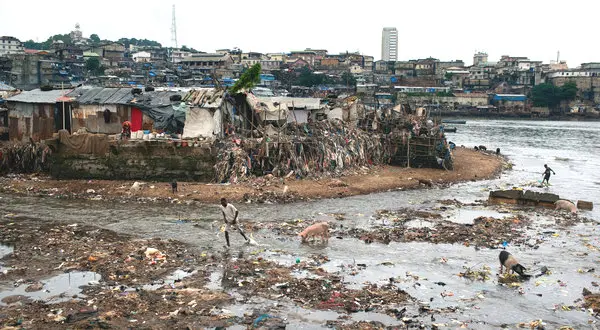
The outbreak has been linked to poor hygiene practices, inadequate sanitation, and heavy rains that have worsened drainage issues.
The relief efforts would, therefore, prioritise high-risk areas such as displacement camps and informal settlements on the urban periphery, the release said.
According to the EU, the funding is expected to benefit 150,000 individuals who are at high risk of cholera transmission due to inadequate access to clean water and sanitation facilities.
The Ghana Red Cross has been at the forefront of the response, providing sanitation resources and engaging communities to curb the outbreak’s spread.
The support forms part of the EU’s broader contribution to the Disaster Response Emergency Fund (DREF) of the International Federation of Red Cross and Red Crescent Societies (IFRC).
The EU has a €14.5 million humanitarian delegation agreement with the IFRC to replenish the DREF for small-scale disasters that do not trigger a formal international appeal.
The EU and its members are the world’s leading providers of humanitarian aid, according to the release.
It works through its Civil Protection and Humanitarian Aid Operations department to assist millions of victims of conflict and natural disasters.
With headquarters in Brussels, and a global network of field offices, the EU provides emergency relief based on humanitarian needs.
In addition to its humanitarian aid, the EU contributes €40 million towards the development of Ghana’s vaccine manufacturing capability under the Global Gateway flagship initiative.
Latest Stories
-
Netherlands Fire Chief in Ghana to support fire safety reforms and market fire prevention efforts
1 minute -
Gov’t cuts fuel taxes, deploys buses to curb impact of rising fuel prices
32 minutes -
Interior Minister calls for intelligence-driven strategy as Ghana strengthens counter-terrorism efforts
32 minutes -
Adenta Circuit Court remands Pastor William Gyimah over viral threats against Vice President
1 hour -
“We’ve implemented changes to prevent a repeat of the AFCON final” – CAF President Motsepe
1 hour -
Gov’t orders deployment of Metro Mass buses to cushion commuters amid fuel price hike
2 hours -
Key Indian state polls begin in test for Modi’s party
2 hours -
Playback: Gomoa Easter Carnival in photos
3 hours -
Gov’t orders removal of fuel taxes to ease pump price hikes
3 hours -
“Whatever the decision of CAS, we will respect it” – CAF President Motsepe after AFCON final meetings in Morocco
3 hours -
Emma Ankrah: When waiting becomes part of treatment – Reflections on hospital care
3 hours -
Ghana urges travellers to prepare for new EU border system roll-out
3 hours -
Mahama enforces fuel coupon ban for ministers as cabinet moves to slash fuel taxes
3 hours -
Task force probes strange fish deaths in Tema
3 hours -
Neglected traffic lights turn Awoshie–Anyaa highway into deadly hotspot
4 hours