

Audio By Carbonatix
Ghana will, on March 24, join the rest of the world to mark World Tuberculosis (TB) Day with a series of activities and a focus on community involvement.
The theme for the day, “Yes! We Can End TB: Led by Communities, powered by the People,” highlights the critical role of communities in the fight against tuberculosis.
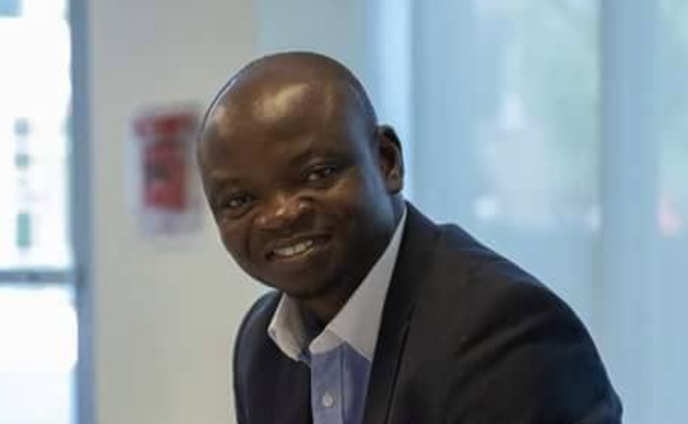
Speaking to the Ghana News Agency, Dr Bernard Ziem, National Tuberculosis Programme Manager said, “The theme reminds us of role of communities in ending tuberculosis cannot be overemphasised.
"Community leaders, volunteers, TB survivors, and local organisations play a critical role in identifying TB cases, supporting treatment adherence, reducing stigma, and promoting early health-seeking behaviour.”
He explained that when communities were empowered with the right knowledge and resources, they served as the frontliners of disease prevention and health promotion.
According to the World Health Organisation, approximately 44,000 Ghanaians develop TB each year, yet only about 20,000 (or less than 50%) are detected and placed on treatment annually.
Dr Ziem noted that tuberculosis remained one of the world’s deadliest infectious diseases, though it was preventable and curable.
He explained that TB continued to pose a significant public health challenge in Ghana, meaning that many individuals remained undiagnosed and continued to unknowingly transmit the disease within our communities.
“The good news is that TB is curable if we seek early treatment. Any person who coughs for any duration and has one or more TB symptoms should report to the nearest health facility.
"We should try to avoid overcrowded rooms and ensure proper ventilation. TB patients should be encouraged to complete treatment rather than being ostracised,” he added.
TB is transmitted from a sick TB patient as a droplet infection through coughing, singing, and sneezing. Inhalation of these droplets by an uninfected person may cause infection.
TB mostly affects the lungs, but can also affect other organs in the body, such as the pleural cavity, liver, scrotum, kidney, intestine, and womb. In addition, tuberculosis may also occur in animals such as cattle, and this is referred to as bovine TB.
Symptoms of TB include cough, weight loss (poor weight gain in children), fever, tiredness, night sweats, and chest pain. and cough with blood-stained sputum.
The NTP for 2026 is focusing on improving pediatric TB diagnosis. The WHO estimates that 8-10% of TB cases diagnosed in the country should be children. However, pediatric cases identified over the years hover around 4.5%.
Dr Ziem commended dedicated health workers across the country who continue to work tirelessly to diagnose, treat, and support persons affected by tuberculosis. Your commitment and sacrifice are deeply appreciated.
He called for Ghana to strengthen domestic investment in health as global health financing becomes more constrained, to sustain the gains the country has made.
Dr Ziem reiterated his call on government institutions, health professionals, civil society organisations, traditional leaders, the private sector, the media, and communities to renew their commitment to the fight against tuberculosis.
Latest Stories
-
TVET workers lay down tools as union declares nationwide strike over unresolved concerns
33 minutes -
Black Stars begin Austria friendly preparation with 21 players
35 minutes -
Today’s Front pages: Tuesday, March 24, 2026
1 hour -
Ghanaian citizen drags Attorney-General to Supreme Court over Kotoka Airport renaming
1 hour -
GACC unveils 25th anniversary logo to mark silver jubilee
1 hour -
Cutting rates while draining liquidity: Is the BoG contradicting itself, or getting it right?
2 hours -
Pepsodent “Smile Ride” brings oral health education to the streets of Ghana
2 hours -
Burkina Faso tomato ban exposes Ghana’s dangerous food dependency
2 hours -
Produce tomatoes in 90 days or step aside – FABAG fires warning at Agric Ministry
2 hours -
Mahama tours Nobi Agriculture Project in Afram Plains
2 hours -
Helicopter crash: Bawumia sends delegation to commiserate with founder of Hebron Prayer Camp
3 hours -
DVLA to establish office in Ketu North to boost service delivery – CEO
3 hours -
US bans new foreign-made consumer internet routers
3 hours -
Ho Central MP Richmond Kpotosu cautions drivers against overspeeding, drink driving
3 hours -
Ghana, Colombia seal maritime deal linking Tema and Cartagena ports
3 hours