

Audio By Carbonatix
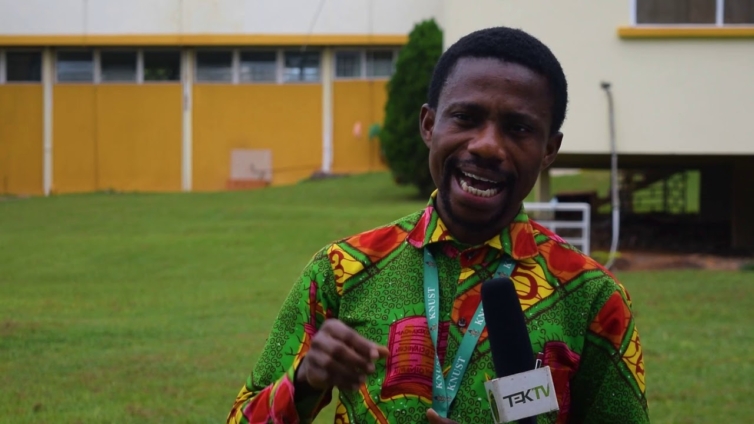
A political historian at the Kwame Nkrumah University of Science and Technology (KNUST), Prof Samuel Adu-Gyamfi, holds the view that Ghanaians are choosing political leaders who tend to reflect the collective character of a people who are not truthful.
According to him, there is no difference between the citizens and the kind of leaders they choose.
Speaking on "Kuro Yi Mu Nsem" show on Kumasi-based Nhyira FM, the senior lecturer noted that leaders tend to portray the character traits of the people.
"We are in a country where no one wants to say the truth and we always have to choose leaders among ourselves. This means that the people we choose as leaders have some traits of us and I am not surprised we are facing all these challenges in the country because no one speaks the truth," he said.
Prof Adu-Gyamfi asserted that, if the citizens changed their attitude, the leaders would change and drive the nation towards prosperity.
When asked about whether voting and leadership should be reserved for the educated, Professor Adu-Gyamfi said a person's level of education should not determine good leadership.
"I think we should allow everyone regardless of their level of education, professional background or social status to vote as long as the person is 18 years of age. Good leaders are born, although some elements of their environment influence the success of their leadership," he said.
Meanwhile, Prof. Adu-Gyamfi expects African countries to resist any attempt by the World Health Organization to impose any treaty inimical to their development of the continent.
The WHO is introducing a new pandemic treaty which is aimed at amending the international health treaty. This new instrument would give the chief executive of the WHO the authority to declare a public health emergency of public health concern without any proper consultation.
Prof. Adu-Gyamfi believes this treaty would deny member countries the opportunity to be part of decisions such as lockdown, screening and border closures.
"This instrument of the WHO will give much authority to the head of the organization to declare public health emergencies without consultation with affected member countries. The effect of this treaty will be hard on African countries such as Ghana. It requires all African leaders to rise up and resist such dictatorship treaty," he stated.
Latest Stories
-
Obuasi SHTS scandal: Eduwatch calls for sex offenders’ register and mandatory background checks for teachers
3 minutes -
GloMeF CEO urges intensified public education on new road traffic regulations
14 minutes -
‘Any tax on ChatGPT is an attack on education and innovation’- Akim Swedru, MP
18 minutes -
Obuasi SHTS sexual abuse scandal exposes systemic failure in child protection – Moving Masculinity
18 minutes -
Hubtel CEO calls for national data-sharing framework to boost AI development
21 minutes -
Twelve Golden Rules of real estate development in Ghana, Africa
25 minutes -
Five new telephony cell sites in Ashanti Region to be activated in October 2026 – Sam George
26 minutes -
Mahama cuts sod for Afienya Industrial Park, targets 120 enterprises
31 minutes -
Rush for fuel from accident tankers is stealing, punishable by law – NPA boss, Edudzi Tamakloe
36 minutes -
GhIG pushes for legislation to regulate geoscientists’ activities
42 minutes -
Mfantsipim @150: Ace Anan Ankomah leads project to preserve school’s musical heritage
46 minutes -
Gov’t launches rCOMSDEP in Ahanta West, Mpohor Fiase to promote responsible community mining
48 minutes -
AI is forcing professionals to rethink how they deliver value – Hubtel CEO
51 minutes -
Daily Insight for CEOs: Strengthening the CEO’s Leadership Legacy
52 minutes -
Jimmy Aglah’s ‘When the River Testified’ approved by NaCCA as Supplementary Reader
1 hour