

Audio By Carbonatix
Ghana’s changing marine environment is sending a warning signal, with the Environmental Protection Authority (EPA) cautioning that pollution, plastic waste and the destruction of wetlands are putting the future of the country’s oceans at risk.
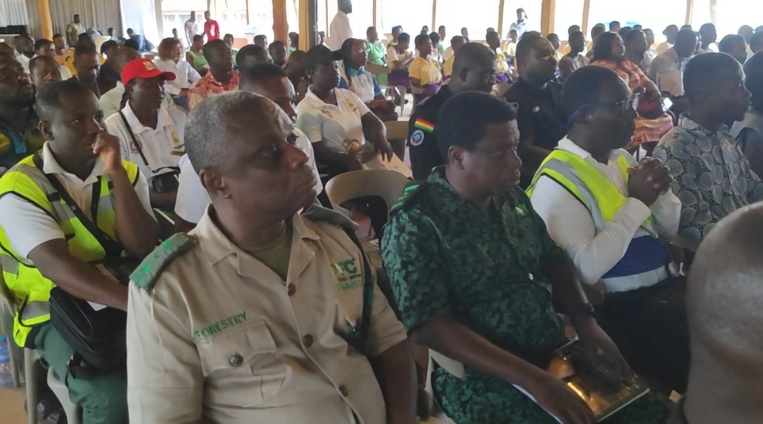
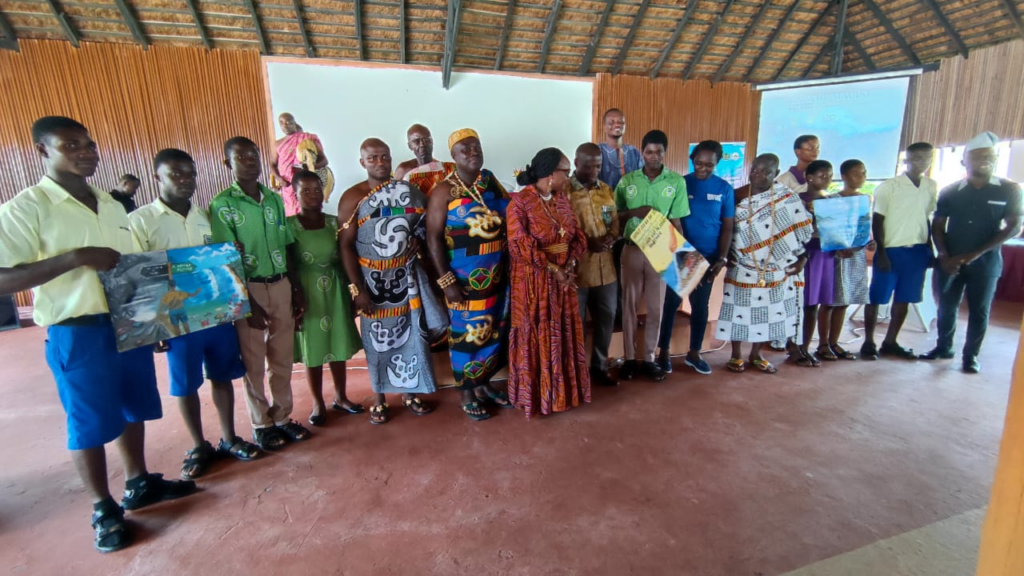
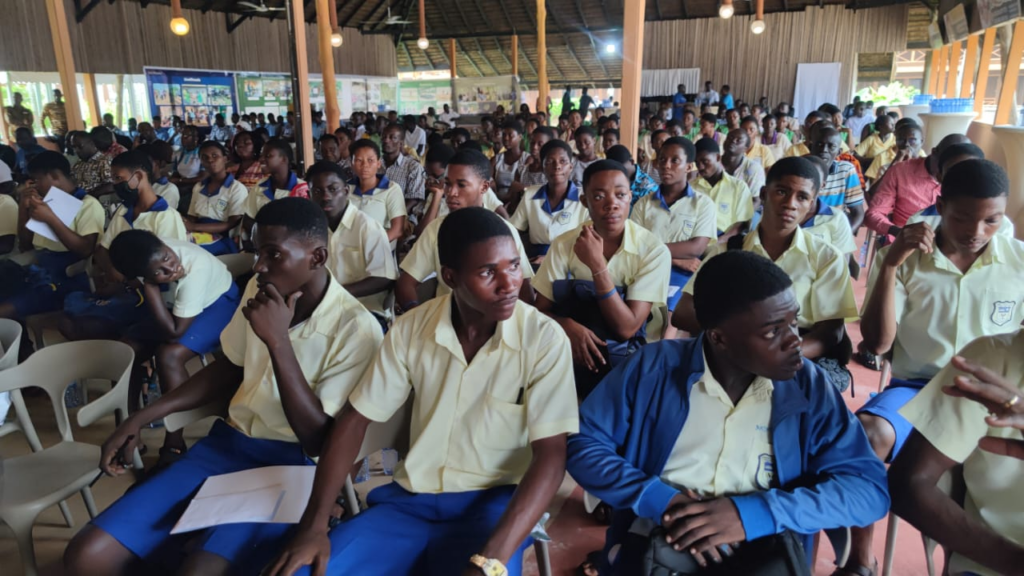
The warning was issued during Ghana’s commemoration of World Ocean Day in the Western Region, where stakeholders gathered to draw attention to the need for stronger protection of coastal ecosystems.
The Western Region was chosen because of the ecological importance of the Amanzule Wetland, one of Ghana’s critical coastal ecosystems, which authorities are currently working to have designated as a Ramsar site.
Speaking at the event, the Chief Executive Officer of the EPA, Professor Nana Ama Browne Klutse, expressed concern about the changing appearance of Ghana’s ocean.
“If you step out there and look over the ocean, I am sure you will be emotional. The colour is no longer blue as we have known it. I see a brown colour of the ocean,” she said.
She explained that the theme for this year’s celebration, “Reimagining Beyond the World We Know: A New Relationship with the Ocean,” requires a new approach where humans move from exploiting marine resources to protecting them.
According to her, wetlands and oceans are interconnected, and damage to wetlands eventually affects the health of the sea.
The EPA boss said the process to designate the Amanzule Wetland as a Ramsar site will help safeguard the area from destruction, reduce flooding risks and preserve biodiversity.
The Minister of Lands and Natural Resources, Emmanuel Armah-Kofi Buah, said recent flooding incidents across the country demonstrate the consequences of ignoring environmental warnings.
He noted that wetlands act as natural buffers against flooding, erosion and the impacts of climate change.
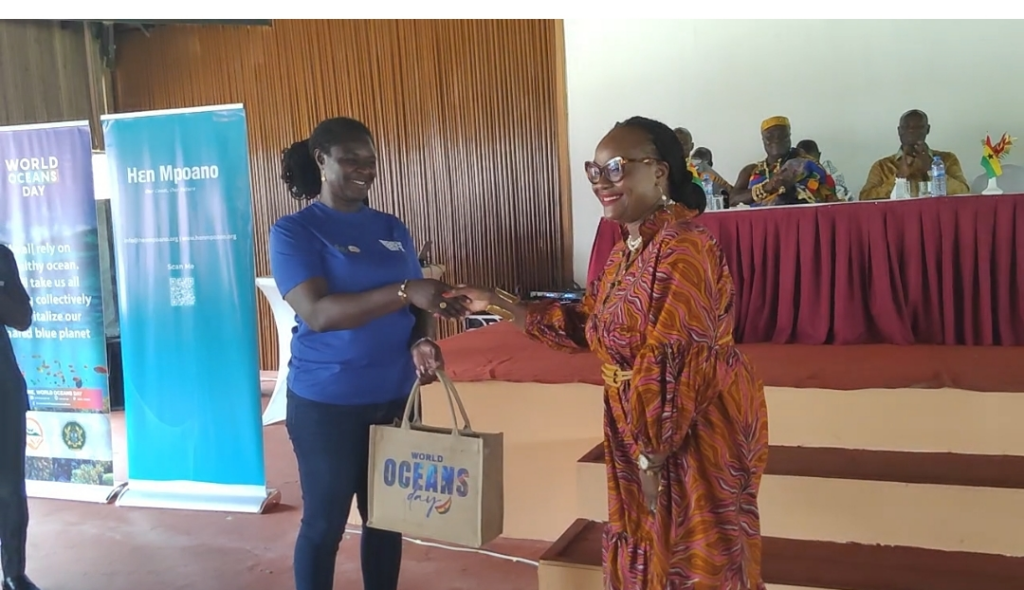
“If only the sea and wetlands could speak, their way of reminding us is the floods we see,” he said.
The Minister assured stakeholders of government’s support towards protecting Amanzule and urged communities and institutions to respect areas designated as wetlands.
Dr Musonda Mumba, Secretary-General of the Convention on Wetlands, described wetlands as “the kidneys of the earth,” explaining that they help filter pollutants before they enter the ocean.
She stressed that protecting oceans begins with protecting wetlands.
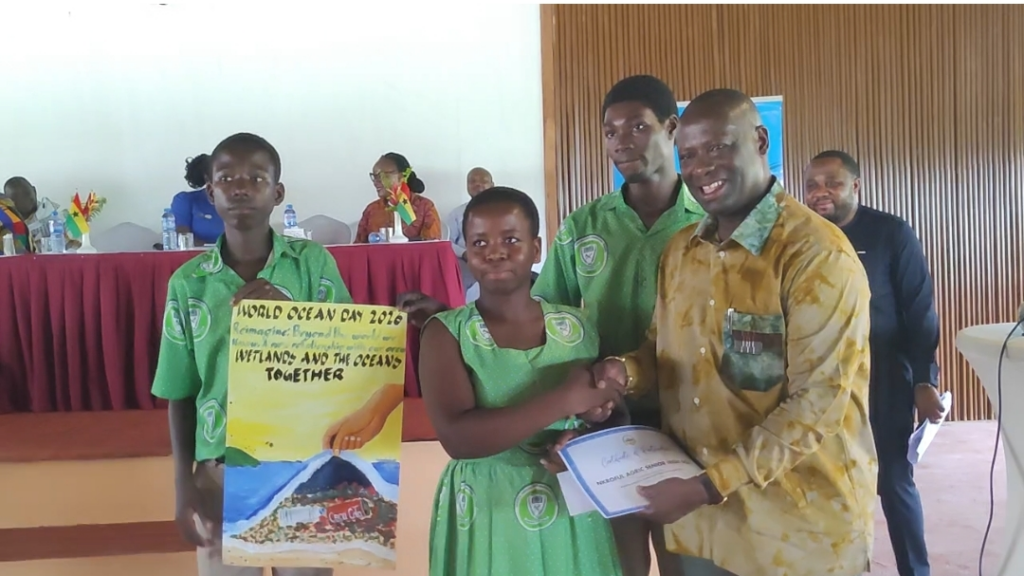
Traditional authorities also joined the advocacy, with Awulae Blay IX of the Eastern Nzema Traditional Area urging citizens to develop a more responsible relationship with nature.
“If we treat the ocean well, the ocean will treat us well,” he said.
The EPA also used the occasion to remind the public about the government’s ban on styrofoam products, popularly known as takeaway packs, due to their impact on the environment.
The authority says the ban will fully take effect from January 1, 2027, and is encouraging businesses and consumers to transition to environmentally friendly alternatives.
As Ghana continues to confront pollution and climate challenges, stakeholders say protecting the ocean is no longer just an environmental responsibility, but a matter of survival, livelihoods and the future of generations.
Latest Stories
-
Tarkwa court jails labourer for three years over GH¢123,000 theft
4 minutes -
GAEC must retain nuclear scientists for Ghana’s nuclear ambitions – Minister
36 minutes -
Man reportedly mistaken for game and shot by hunter dead in forest
38 minutes -
19-year-old mason jailed 15 years for defiling seven-year-old pupil
43 minutes -
Ghana’s banking sector assets rise 20.47% to GH¢500.2bn – BoG Governor
47 minutes -
22 injured as Sprinter bus overturns at Sege after tyre burst
48 minutes -
UN housing expert urges Ghana to strengthen Rent Control Department amid housing affordability concerns
57 minutes -
Delta-BCI partnership reaches 166,000 people with breast cancer education
1 hour -
Power restoration fault suspected in Kumasi Central Market fire
6 hours -
The 7-foot giant of Ngleshie Amanfro: Seven-foot Ghanaian Ephraim Saawa dreams of joining the national basketball team
7 hours -
Government promises support for Kumasi Central Market fire victims
7 hours -
Vibes The Movie: Big Ghun’s Ghanaian film earns five nominations at 2026 REFFA
8 hours -
‘I’m a fulfilled man’—Justice Korbieh on missing out on Supreme Court despite two nominations
8 hours -
MamaCare CEO warns unresolved conflicts among health workers could undermine maternal and neonatal care
8 hours -
Health professionals urged to translate medical knowledge into practice to save mothers
8 hours