

Audio By Carbonatix
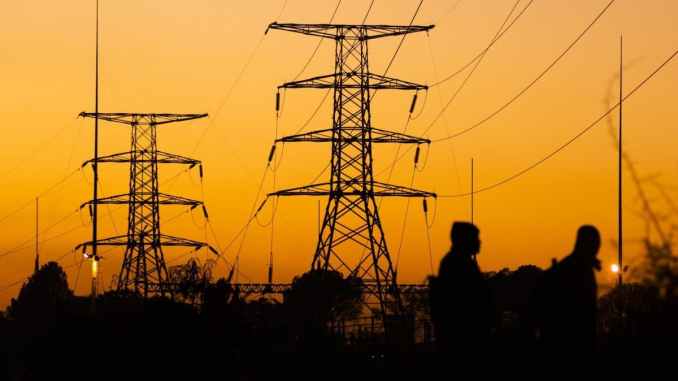
Ghana is expected to gain from the World Bank Group and the Africa Development Bank's ambitious plan to help address challenges in electricity accessibility in Africa.
The initiative aims to connect at least 300 million Africans to electricity by 2030.
The World Bank estimates that 600 million Africans, over 40 per cent of Africa’s population in 2023, do not have access to electricity, hampering productivity and comfort.
Using distributed renewable energy systems or the distribution grid, the World Bank Group will provide electricity to 250 million of Africa's population who do not currently have access to it, while the Africa Development Bank will provide power to 50 million, for a total of 300 million people.
A number of regional energy programmes that are now coordinated toward this shared objective also support this initiative.
About $30 billion in public sector investment will be required for the World Bank Group to connect 250 million people. The International Development Association (IDA), the World Bank's concessional arm for low-income nations, will be crucial.
In the case of Ghana, about 2,329 communities' electricity has been linked to the national electricity grid between 2017 and 2022 increasing the access rate to 88.75 per cent from 83.24 per cent in 2016, according to the Ministry of Energy. This translates to about 27.9 million Ghanaians having access to electricity as of 2022.
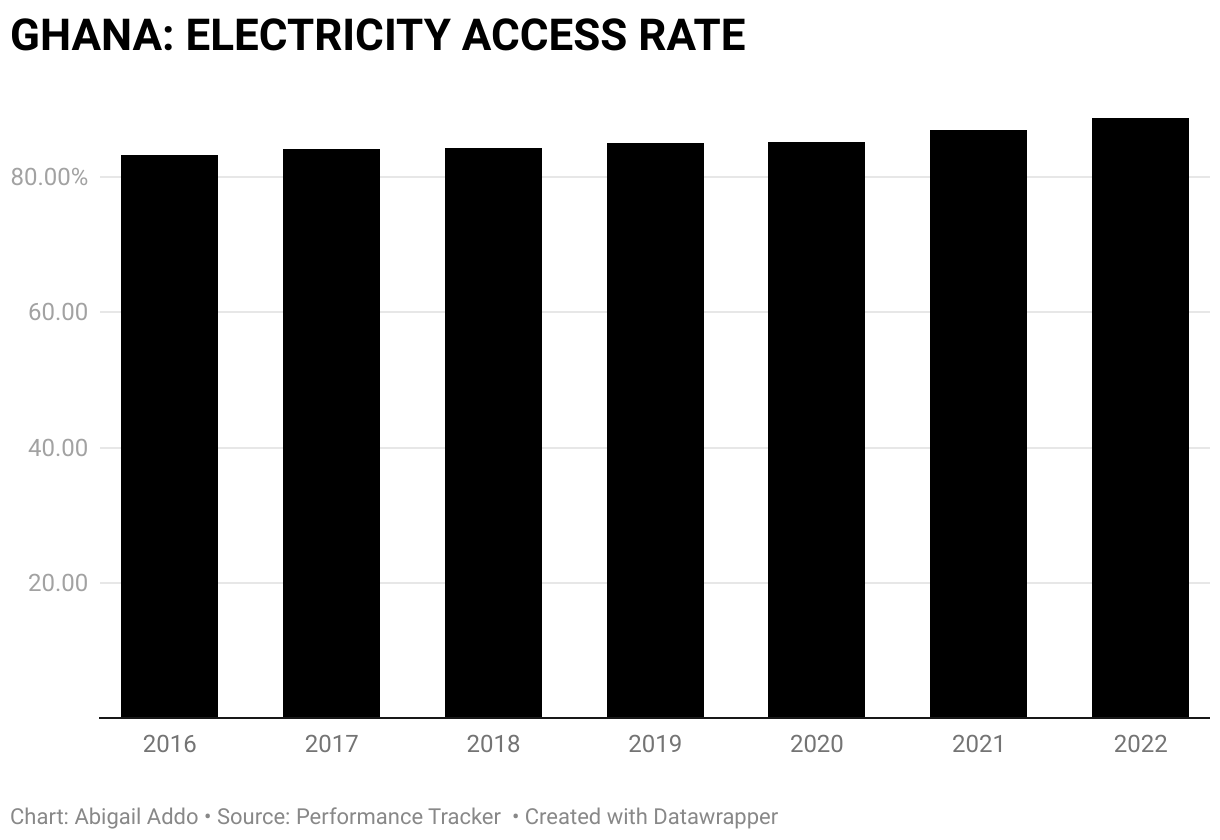
This increase would accelerate economic growth, stimulate rural development, and improve quality of life. On the other hand, obstacles like the cost of electricity and environmental issues could surface and call for cautious handling to guarantee long-term advancement.
According to World Bank’s President, Ajay Banga, "Electricity access is the bedrock of all development. It is a critical ingredient for economic growth and essential for job creation at scale. Our aspiration will only be realised with partnership and ambition. We will need policy action from governments, financing from multilateral development banks, and private sector investment to see this through."
Governments must also enact laws to encourage private investment and restructure utilities to make them more economical and efficient while maintaining tariffs that shield the underprivileged.
Businesses experience productivity constraints, schools struggle to provide a quality education, healthcare facilities struggle to operate medical equipment, and individuals are left out of the digital economy in the absence of electricity.
The area's capacity to generate jobs and experience sustainable economic growth is ultimately hampered by this lack of access. To realize Africa's potential and raise millions of people's standards of living, this problem must be resolved.
Latest Stories
-
Gender Ministry supports Harriet Amuzu in ongoing abuse case
11 minutes -
AG joins plaintiff to scrap OSP ?: We should be mindful of the mischief in this – Bobby Banson
17 minutes -
Samson Lardy Anyenini questions willingness of Attorneys-General to prosecute political colleagues
19 minutes -
It is only fair the OSP is heard in Supreme Court case – Bobby Banson
25 minutes -
Asiedu Nketia resumes Ashanti tour, second leg kicks off on Sunday
34 minutes -
NLA denies salary cut claims, threatens legal action over reports
38 minutes -
BoG Governor honoured for stabilising cedi, improve inflation
40 minutes -
Kyebi Easter Homecoming 2026: A resounding success!
1 hour -
Trade Minister applauds GUTA as a pillar of economic growth; Prez Mahama honoured
2 hours -
President’s brother’s takeover of Damang Mines is ‘untidy’ – Alhassan Tampuli
2 hours -
It’s not true that gov’t decided not to renew the lease for Gold Fields – Bobby Banson
2 hours -
Ghana to boost tomato production with 60-hectare irrigated farms and processing initiatives
2 hours -
E&P’s takeover process of Damang Mines was very clean – Inusah Fuseini
2 hours -
Damang takeover: There is not going to be any job loss; it is a lease change – Bobby Banson
3 hours -
Gold Fields didn’t stop mining at Damang mines; such claims are untrue – Bobby Banson
3 hours