

Audio By Carbonatix
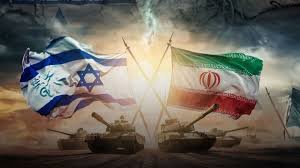
The Executive Secretary of Global Security for Africa Research and Good Governance (GLOSARGG), Francis Ahovi, has praised Ghana's neutral stance amid escalating tensions between Iran and Israel.
Mr. Ahovi, an expert in humanitarian investigations and global security, praised Ghana's foreign policy position as “wise and necessary,” arguing that the country’s abstention in key international decisions reflects a longstanding commitment to balanced diplomacy and non-alignment, a legacy dating back to the visionary leadership of Dr. Kwame Nkrumah.
“In an era of polarised alliances and ideological confrontations, Ghana gains nothing from choosing sides,” Mr. Ahovi stated. “But it gains everything from principled neutrality, a position that protects our national interest and elevates our moral standing on the global stage.”
Mr. Ahovi underscored that Ghana’s refusal to align with either bloc preserves critical diplomatic flexibility.
“It shields us from retaliatory threats, cyber, economic, or ideological, and sustains our multilateral relationships with both Western and Eastern powers, including BRICS and the Arab world,” he said.
Ghana's Foreign Ministry has already taken proactive steps to protect citizens from high-risk areas, a move Mr. Ahovi hailed as a "commendable humanitarian decision" that reflects the state’s unwavering duty of care.
“In contrast to governments that act too late, Ghana has demonstrated foresight, sending a strong message that every Ghanaian life matters, regardless of where they reside,” he noted.
Mr. Ahovi urged policymakers to uphold this position, advocating for peace, sustained diplomacy, and a citizen-first foreign policy.
He said, “In an increasingly divided world, Ghana’s voice, anchored in justice and neutrality, echoes far beyond its borders. It is a quiet power that calls the world to reason.”
The ongoing hostilities between Iran and Israel have intensified since Iran launched a direct missile and drone attack on Israeli territory in April, its first ever on such a scale, following an Israeli strike on the Iranian consulate in Damascus.
The crisis has since drawn in regional players and stoked fears of a broader Middle East war.
Israel, bolstered by strong support from the United States, the United Kingdom, and NATO allies, has responded with military force targeting Iranian-backed groups in Lebanon, Syria, and Iraq.
Iran, in turn, has relied on allies such as Russia, China, and militant factions like Hezbollah to bolster its influence.
With both sides deeply entrenched, civilian casualties are mounting, and the humanitarian situation is deteriorating, especially in border regions and flashpoints such as southern Lebanon and western Iraq.
Latest Stories
-
Wear blue or green hat to survive – IBAG president says insurance industry ‘captured by politics’
53 minutes -
AGI commends government’s move to resolve the power crisis in Volta and Oti Regions
1 hour -
Broker sector worse hit by state interference – IBAG president reveals
1 hour -
IBAG president alleges political interference driving kickbacks in insurance sector
2 hours -
Trump agrees to two-week ceasefire, Iran says safe passage through Hormuz possible
2 hours -
Dozens killed as Angola flood death toll rises
2 hours -
Russia confirms deaths of 16 Cameroonians fighting in Ukraine war, Yaounde says
2 hours -
Plan to scrap presidential elections puts Zimbabweans at loggerheads
3 hours -
Guinea-Bissau transporters strike over higher fuel prices
3 hours -
Iran ceasefire deal a partial win for Trump – but at a high cost
3 hours -
Oil slides below $100 after Trump announces two-week ceasefire
3 hours -
Madagascar declares state of emergency over energy situation due to Iran war
3 hours -
Ex-Meta worker investigated for downloading 30,000 private Facebook photos
3 hours -
World Bank says Nigerian economy to grow in 2026 but Iran war lifts inflation
4 hours -
Ringleader of suspected human trafficking network arrested in Ethiopia
4 hours