

Audio By Carbonatix
The Ghana Incentive-Based Risk-Sharing System for Agricultural Lending (GIRSAL) through its Technical Assistance Facility (TAF) is partnering with the National Banking College (NBC) under its ‘Agriculture and Agribusiness Lending Course for Staff of Financial Institutions’ to train staff of financial institutions on agriculture financing.
The TAF is a key pillar of GIRSAL’s strategy and aims at strengthening the institutional capacity of staff of participating financial institutions in assessing loan applications from agribusinesses and hence help reduce the risk associated with lending to farmers and agriculture projects.
This initiative is supported by Alliance for a Green Revolution in Africa (AGRA).
Training Modules
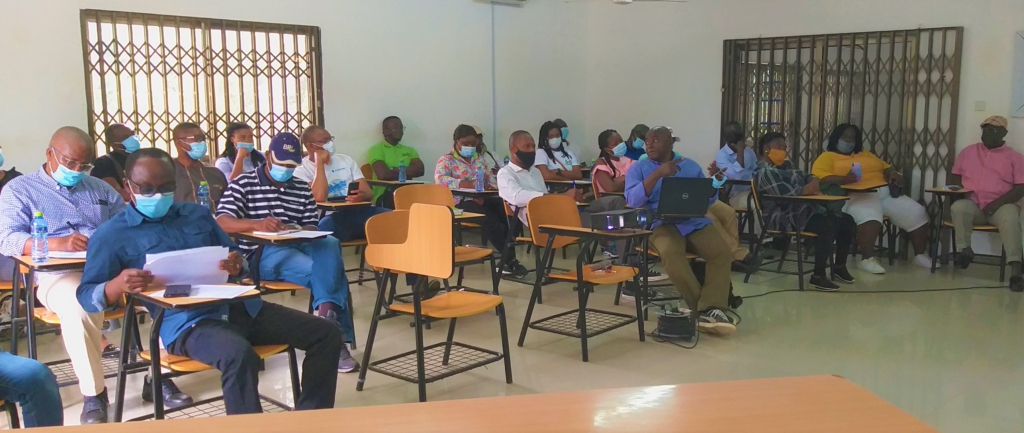
Due to the COVID-19 pandemic, the first batch of the training program was conducted virtually between August 11 and September 18, 2020, and was attended by 33 participants from 12 financial institutions.
The training combined classroom training, case studies and a field trip to an agribusiness. The 3-module training program was facilitated by well-experienced industry resource persons.
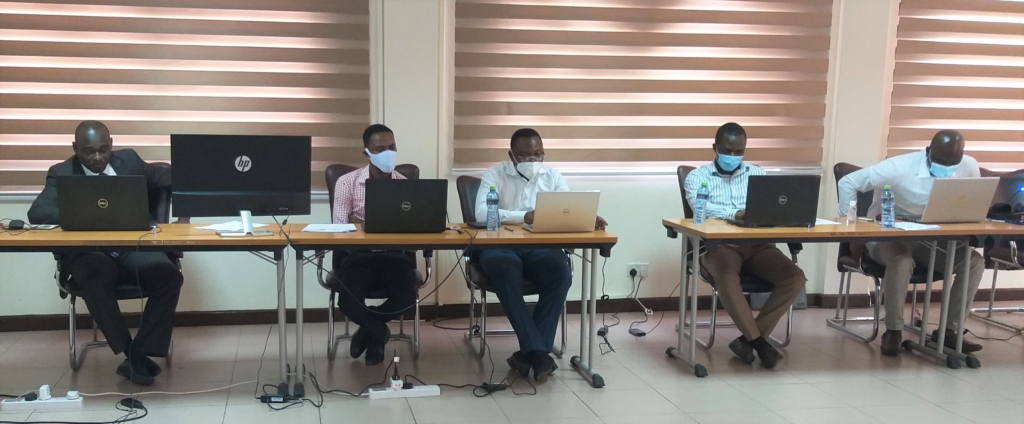
Modules 1 and 2 of the course covered the agribusiness environment, value chains in Ghana, and agricultural loan appraisal techniques, and targeted agriculture desk officers, relationship managers, credit risk officers and credit analysts.
Module 3 covered managing agriculture loan portfolios, with lessons ranging from agriculture insurance to commodity finance.
It targeted senior management and portfolio managers. The next round of the training is scheduled for the end of the year.
Field Trip to Golden Exotic Ltd
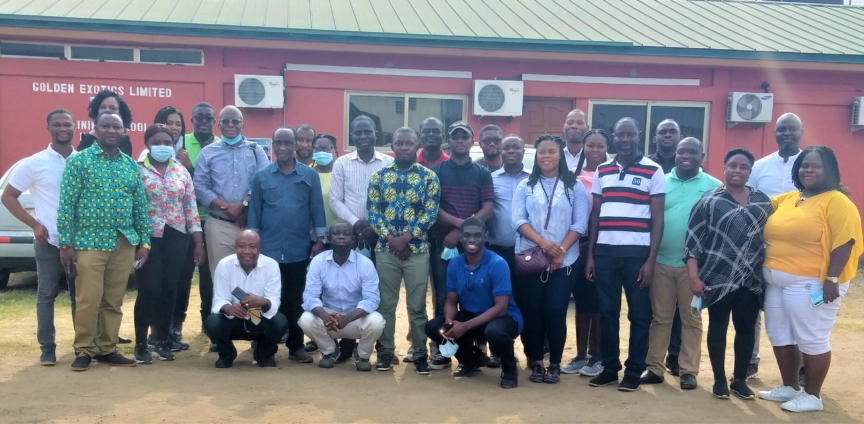
Participants visited Golden Exotics Ltd Banana plantation at Asutsuare (the largest banana plantation in Ghana) where they engaged the management on operational and financing challenges and opportunities.
There was also an interactive simulated credit application assessment session to identify, analyze, evaluate, and propose mitigation measures to value chain risks.
The field visit helped participants translate the classroom training to practical on-field operations of a typical agribusiness.
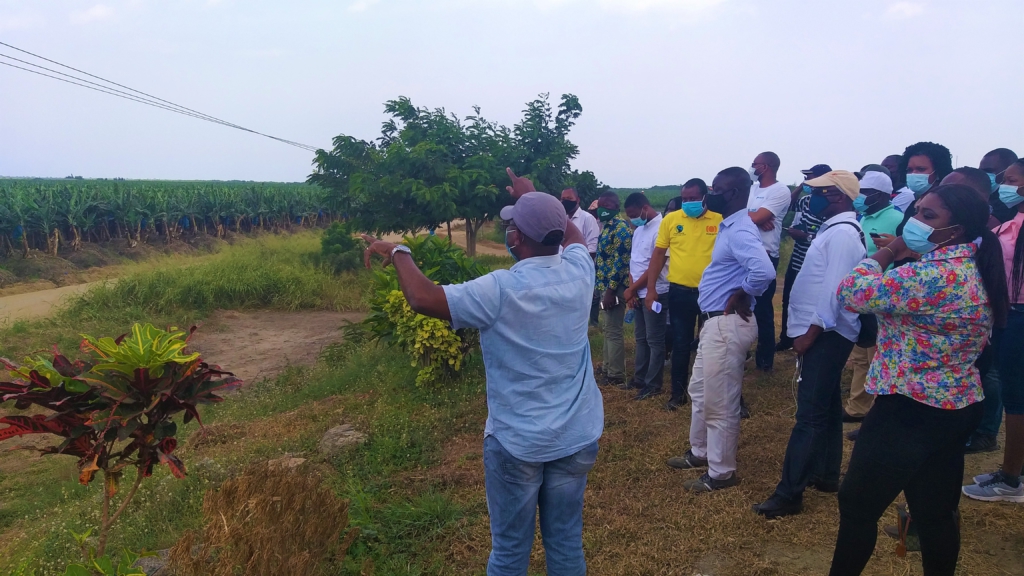
It also allowed participants to observe the good agronomic practices, post-harvest operations and learn the challenges and opportunities of large-scale farming operations as well as its financing and market environment.
The trip produced positive feedback from the participants who found it very educative and insightful and admitted the modules are very relevant to their work.
Latest Stories
-
A source of excellence across generations – Vice President Opoku-Agyemang lauds Mfantsipim
24 minutes -
(Photos) Mfantsipim School launches historic 150th anniversary
47 minutes -
Knights and Ladies of Marshall group backs Catholic Bishops’ stance on anti-LGBTQ+
2 hours -
Bright Simons writes: All the Filla in the Ibrahim Mahama/E&P – Gold Fields Saga
2 hours -
Monetise Idiocy In Ghana
2 hours -
The Ghanaian prophet and the mysterious death of his scottish wife Charmain Speirs
3 hours -
Nearly 400 sentenced in Nigeria for links to militant Islamists
3 hours -
Ghana’s recovery supported by gold strength despite global oil price pressures – Standard Bank Research
3 hours -
Methodist Church hails Mfantsipim@150; calls for “fresh consecration” to excellence
4 hours -
‘Excellence is our inheritance’ – Nana Sam Brew-Butler hails Mfantsipim’s 150-year reign in leadership
4 hours -
Kwaku Azar writes: A-G vs OSP
4 hours -
Mfantsipim–Adisadel rivalry built excellence, not division – Sam Jonah
4 hours -
Vice President launches Mfantsipim’s 150 years of shaping Ghana’s greatest mind
5 hours -
I assure Otumfuo, Mahama will join him to commission KNUST Teaching Hospital by end of this year – Haruna Iddrisu
5 hours -
Barcelona dominate derby to extend La Liga lead
6 hours