

Audio By Carbonatix
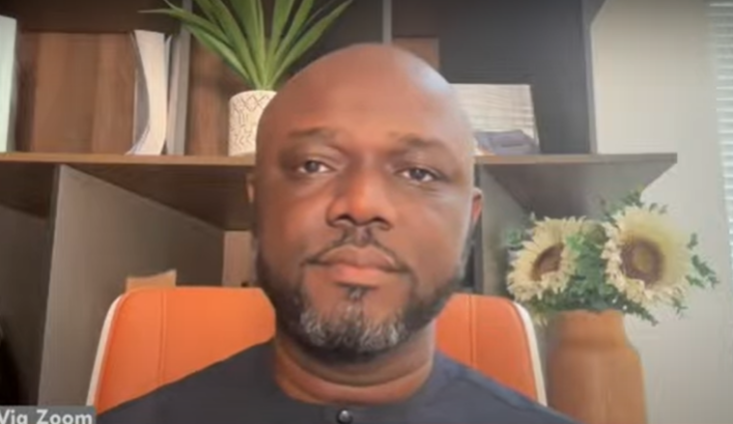
The Executive Director of the African Centre for Energy Policy, Ben Boakye, has advised the government to allow private individuals to handle fuel purchases.
According to him, the government being the sole entity handling fuel purchases puts a lot of pressure on the state as it has to consistently pump in cash whenever there are power crises.
Speaking on Joy FM’s Top Story on June 14, he said it is high time the government stepped back.
“I think our position is that Government should just go off. Government is not the one who is supposed to ensure that there is fuel supply. This is a commercial enterprise. Let’s see power as a business and let people who have money to do the business come and do it," he said.
- Read also: ECG, GRIDCo announce 3 weeks load management
On June 13, the Ghana Grid Company Limited, (GRIDCo) and the Electricity Company of Ghana, (ECG) announced a possible load management plan for three weeks.
In a joint statement, ECG and GRIDCo clarified that the load management is necessary “due to maintenance works being undertaken by a gas supplier in Nigeria and is projected to last three (3) weeks.”
“The maintenance has caused a reduction in overall power generation capacity in Ghana which could result in load management over the period of the work,” the joint release indicated.
They further highlighted that the recent interruptions in power supply experienced in parts of the country are attributed to a decrease in gas supply from Nigeria since June 12.
On the back of this development, Mr Boakye said the government must prioritise the power sector by allowing private individuals to handle fuel purchases and solely act as a regulator.
“When we keep doing the politics with it and always looking to government to go and buy fuel in 21st century to come and produce electricity and distribute to the people that is why we have this challenges.
“So we abuse the system, create the inefficiencies and we are always looking to government when government should be doing other things. Looking at the other socio-economic welfare of the people and allowing the business side of things where private capital is interested to actually manage... we can't keep looking to government to provide money for the power sector at the expense of any other socio-economic intervention we do have," he said.
Latest Stories
-
Netherlands Fire Chief in Ghana to support fire safety reforms and market fire prevention efforts
3 hours -
Mason goes on remand for stealing
3 hours -
Gov’t cuts fuel taxes, deploys buses to curb impact of rising fuel prices
3 hours -
Interior Minister calls for intelligence-driven strategy as Ghana strengthens counter-terrorism efforts
3 hours -
Adenta Circuit Court remands Pastor William Gyimah over viral threats against Vice President
4 hours -
“We’ve implemented changes to prevent a repeat of the AFCON final” – CAF President Motsepe
4 hours -
Gov’t orders deployment of Metro Mass buses to cushion commuters amid fuel price hike
5 hours -
Key Indian state polls begin in test for Modi’s party
5 hours -
Playback: Gomoa Easter Carnival in photos
5 hours -
Gov’t orders removal of fuel taxes to ease pump price hikes
5 hours -
“Whatever the decision of CAS, we will respect it” – CAF President Motsepe after AFCON final meetings in Morocco
5 hours -
Emma Ankrah: When waiting becomes part of treatment – Reflections on hospital care
6 hours -
Ghana urges travellers to prepare for new EU border system roll-out
6 hours -
Mahama enforces fuel coupon ban for ministers as cabinet moves to slash fuel taxes
6 hours -
Task force probes strange fish deaths in Tema
6 hours