

Audio By Carbonatix
Ghana’s 2026 Budget has placed renewed emphasis on capital expenditure, with strategic allocations aimed at revitalising infrastructure and boosting the energy sector to support industrialisation and the government’s 24-hour economy initiative.
According to the budget document, total expenditure for 2026 is projected at GH¢302.5 billion, representing 18.9% of GDP, with a significant portion dedicated to capital projects under the Big Push Infrastructure Programme and energy sector reforms.
The government has earmarked GH¢30 billion for the Big Push Programme, which will fund strategic road and bridge construction across the country.
Key projects include the Accra–Kumasi Expressway, designed to reduce travel time by 50% and create over 30,000 jobs, and the Adawso–Ekye Amanfrom Bridge, expected to unlock the agricultural potential of the Afram Plains.
“The Big Push is not just an infrastructure drive, it is a nation-building vision,” the Finance Minister noted. “We are connecting people, markets, and opportunities to ensure growth is shared across every region.”
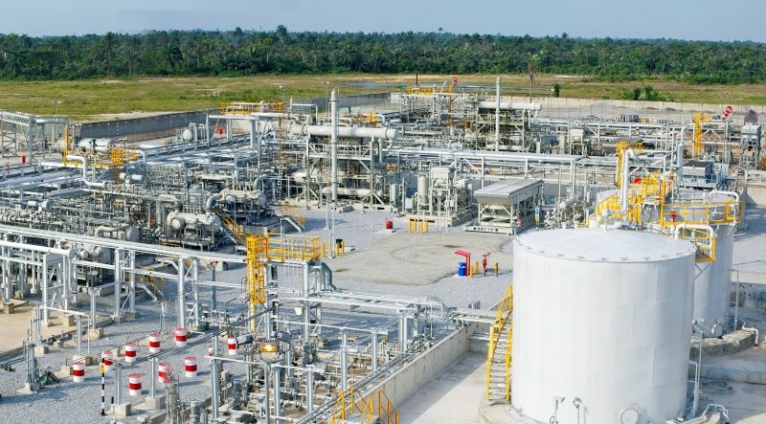
In the energy sector, the government is prioritising affordable and reliable power supply through gas-to-power reforms, renewable expansion, and rural electrification.
An allocation of GH¢15.2 billion has been made for energy sector shortfall payments, alongside GH¢4.8 billion for clearing legacy Independent Power Producer (IPP) debts.
Additionally, GH¢2 billion has been set aside for the Rural Electricity Acceleration and Urban Intensification Initiative, which aims to expand nationwide access to electricity.
Energy initiatives also include new gas supply agreements with ENI and Jubilee partners, projected to add over 150 million standard cubic feet of gas per day, while transitioning from light crude oil to natural gas to cut power generation costs by up to 75%.
Overall, the 2026 Budget reflects a deliberate shift toward productive and growth-enhancing investments, positioning infrastructure and energy as the backbone of Ghana’s economic transformation agenda.
“Every cedi borrowed will deliver value, every repayment will build confidence, and every reform will secure Ghana’s fiscal future,” the Finance Minister affirmed, reinforcing the government’s commitment to fiscal prudence and sustainable development.
Latest Stories
-
Ghana’s recovery supported by gold strength despite global oil price pressures – Standard Bank Research
7 minutes -
Kwaku Azar writes: A-G vs OSP
40 minutes -
Mfantsipim–Adisadel rivalry built excellence, not division – Sam Jonah
1 hour -
Vice President launches Mfantsipim’s 150 years of shaping Ghana’s greatest mind
1 hour -
I assure Otumfuo, Mahama will join him to commission KNUST Teaching Hospital by end of this year – Haruna Iddrisu
2 hours -
Barcelona dominate derby to extend La Liga lead
2 hours -
Gov’t to roll out free special education for persons with disabilities from July 1 – Education Minister
2 hours -
Importers and Exporters Association declares full support for Publican AI port system
3 hours -
“We used it to test our officiating officials’ readiness” – Bawah Fuseini after CAA Athletics event
3 hours -
Volleyball emerges as Ghana’s fastest rising sport
3 hours -
National Sports Fund needs strong leadership from the top – Administrator David Wuaku
3 hours -
JoySports Exclusive: Steve McLaren in talks with GFA after expressing interest in Black Stars job
3 hours -
Fire guts auto parts warehouse at Bubuashie, one fire officer injured
3 hours -
I owe my victory to coach Ofori Asare – Allotey after winning WBA Africa Gold Super Flyweight belt
4 hours -
Church of Pentecost supports over 2,000 BECE candidates in Obuasi with career guidance seminar
5 hours