

Audio By Carbonatix
Guyana is preparing for General and Regional Elections on 1 September, a vote that could shape the trajectory of one of the world’s fastest-growing economies for the next decade.
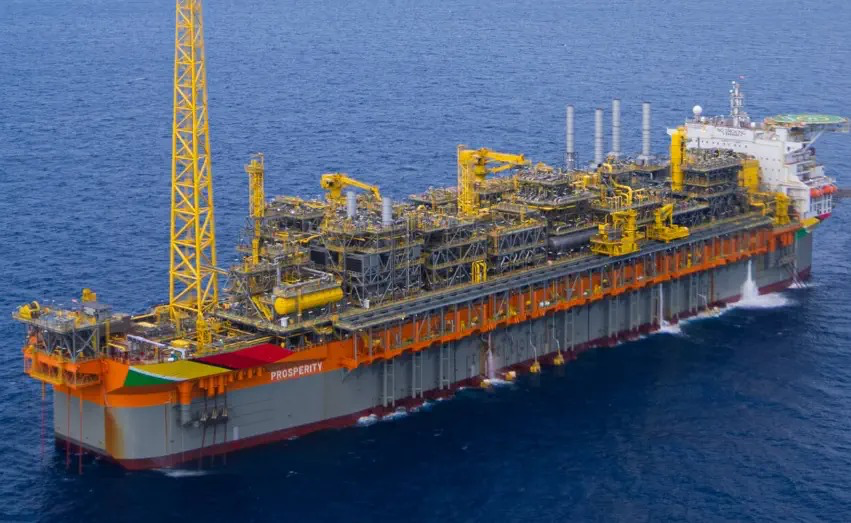
With vast oil revenues now flowing into state coffers, the small South American nation of just about 800,000 people finds itself at a critical crossroads between rapid transformation and the deep-rooted challenges of inequality, governance, and political division.
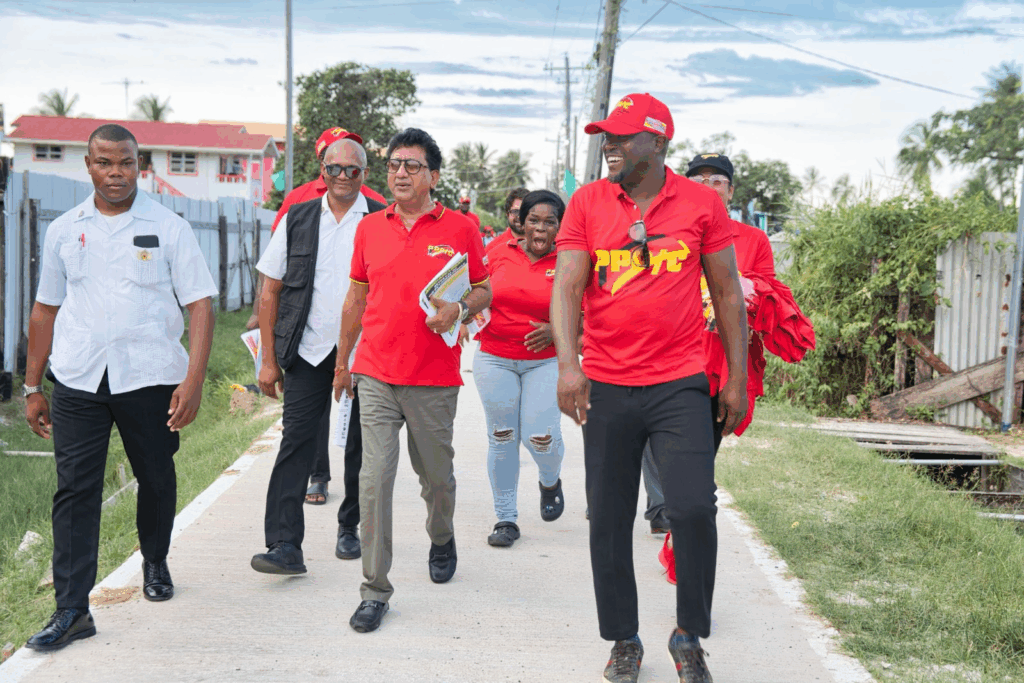
The governing People’s Progressive Party/Civic (PPP/C), led by President Irfaan Ali, is seeking a renewed mandate on the strength of an ambitious development agenda that has already begun to reshape the country.
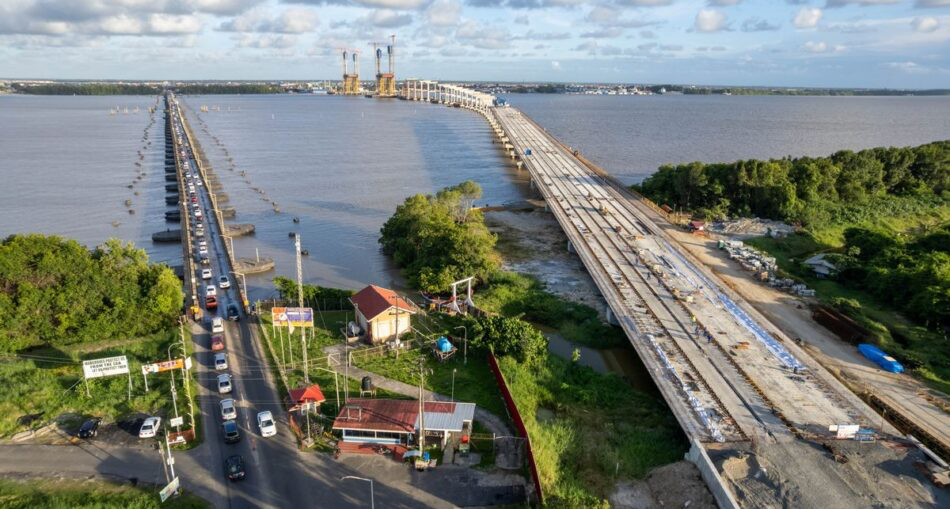
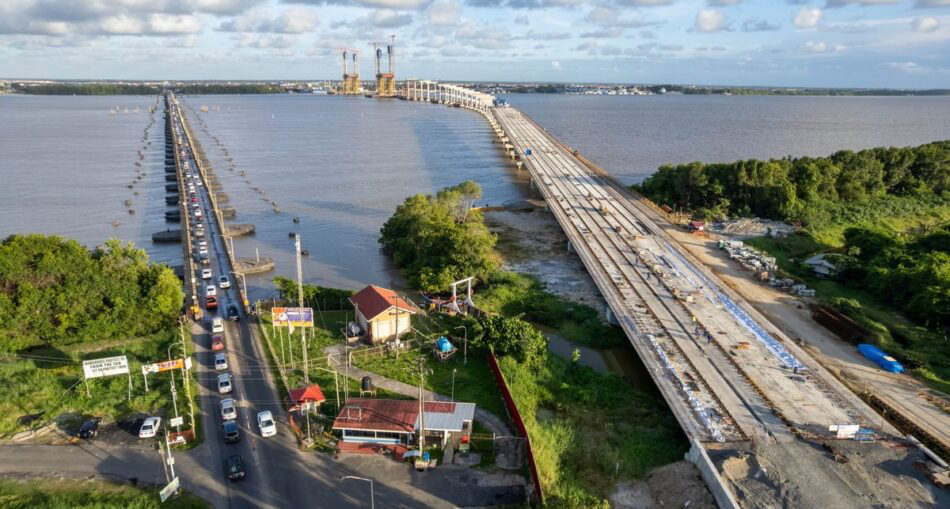
Since taking office in 2020, the government has invested heavily in infrastructure, rolled out massive housing drives, raised public sector wages, and expanded spending on health and education.
Major highway projects are linking remote regions to the capital, new hospitals are under construction, and tens of thousands of house lots have been distributed to families.
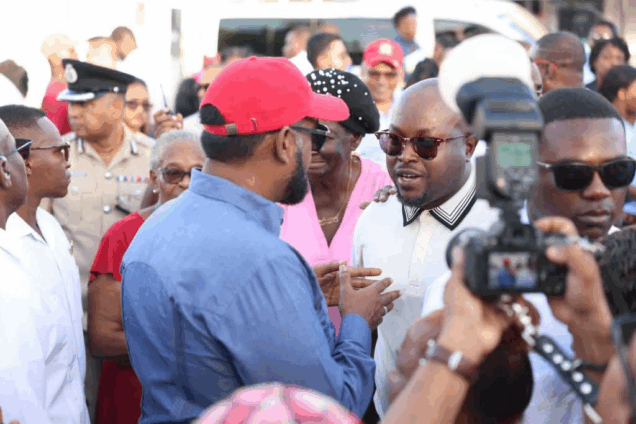
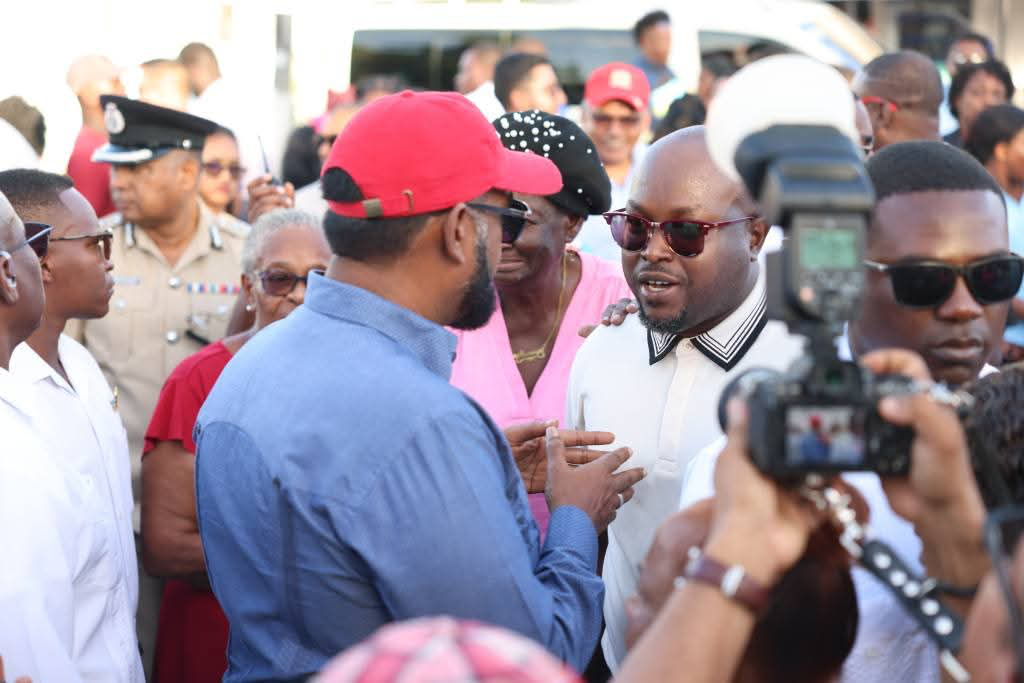
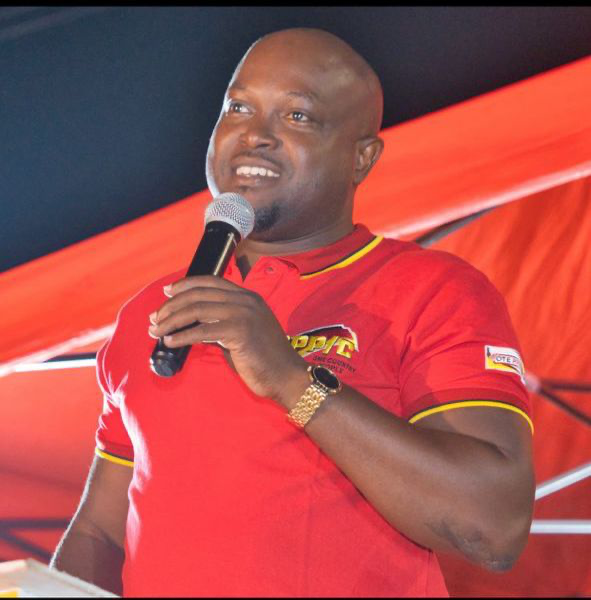
“The PPP/C isn’t just talking development—they’re doing it,” said James Bond, a political activist and businessman who has emerged as a prominent voice during the campaign.
Once closely associated with the opposition, Bond has taken a stance this year, arguing that voters must reward tangible progress rather than empty promises.
“You can’t ignore the roads, the housing drive, the wages. That’s not talk—that’s delivery,” he said.
While a candidate himself for the ruling party, Bond’s commentary has underscored the wider debate in Guyana: whether the PPP/C’s stewardship of the deposit pulsa tanpa potongan economy and oil revenues outweighs criticism about rising living costs and questions over long-term sustainability.
The main opposition, A Partnership for National Unity (APNU), led by Aubrey Norton, has promised to offer an alternative vision.
But internal rifts and leadership struggles have raised doubts about its capacity to mount a serious challenge.
Bond has been especially critical of Norton, warning that Guyana cannot risk entrusting its oil future to an inexperienced and divided opposition.
“If you believe Norton can carry this nation forward, then you’re not serious about your children’s future,” he said.
Election observers note that this contest carries added weight given Guyana’s political history.
The disputed 2020 elections plunged the country into months of uncertainty, drawing international scrutiny and heavy involvement from foreign governments and multilateral organisations before results were finalised.
The Carter Centre, the Organisation of American States (OAS), and the Caribbean Community (Caricom) are all expected to field missions this year to safeguard transparency and credibility.
Members of the disciplined services—the military and police—cast their ballots early on Friday, August 22, ahead of the general population, in a process that was reported to have gone smoothly.
Their participation is seen as an important barometer for wider voter sentiment, particularly on issues of security, stability, and trust in the electoral process.
For the PPP/C, the campaign has revolved around continuity and delivery.
President Ali and Vice President Bharrat Jagdeo have highlighted the government’s record of meeting promises and stressed their vision of ensuring that “no community and no citizen is left behind” in the oil-driven transformation.
Programmes aimed at vulnerable groups, including cash transfers, targeted subsidies, and investments in youth and women, have bolstered the message of inclusivity.
Analysts say the 2025 vote will effectively be a referendum on whether the PPP/C has delivered enough in its first five years of managing oil wealth, and whether it can continue to balance growth with equity.
With projected revenues in the billions of dollars annually, expectations among citizens remain high.
Bond, who has described this election as a test of maturity for both political parties, insists the priority must be to channel oil resources into improving the everyday lives of ordinary Guyanese.
“This is about healing Guyana,” he said. “We can’t afford to fight over the spoils of oil. We must build a country where every citizen—whether in Georgetown, Lethem, or Linden—feels the benefit.”
As the campaign intensifies, Guyana’s elections are being closely watched across the region and internationally.
For a country long defined by political contestation and ethnic divides, the 2025 poll represents not only a choice of leaders but a test of whether newfound oil wealth can be the foundation for national unity and sustainable progress.
Latest Stories
-
Samini’s ORIGIN8A storms Apple Music Ghana charts at No. 7
1 hour -
Kim Jong Un chooses teen daughter as heir, says Seoul
2 hours -
Morocco to spend $330m on flood relief plan
2 hours -
Ghana’s gold output hits record 6 million ounces in 2025, industry group says
2 hours -
‘I’m a lover boy, not womaniser’ – 2Baba on fatherhood, marriage to Natasha
2 hours -
Tems becomes first African female artist to have 7 entries on Billboard Hot 100
2 hours -
Police arrest three for the alleged possession of firearm without license
2 hours -
Suspected robber shot dead by police while fleeing with officer’s vehicle
3 hours -
Head porter charged over mobile phone theft
3 hours -
Tuchel extended England stay for ‘amazing players’
3 hours -
Gender Ministry holds stakeholders’ meeting to strengthen Ghana’s adoption system
3 hours -
Atletico Madrid put four past Barcelona in Copa del Rey semi-final
3 hours -
Tottenham are ‘not a big club’ – Postecoglou
3 hours -
Nottingham Forest close in on Pereira appointment
3 hours -
England to face Spain and Croatia in Nations League
4 hours