


Audio By Carbonatix
President Nana Akufo-Addo says it is "of the utmost necessity that countries like Guyana and Ghana find ways of bringing their substantial hydrocarbon resources to production, and quickly too. "
He added, "We must add value to these resources, and not export them in their raw form if we are to transition to the status of developed countries. The effective management of these resources will determine whether we make it or not.”
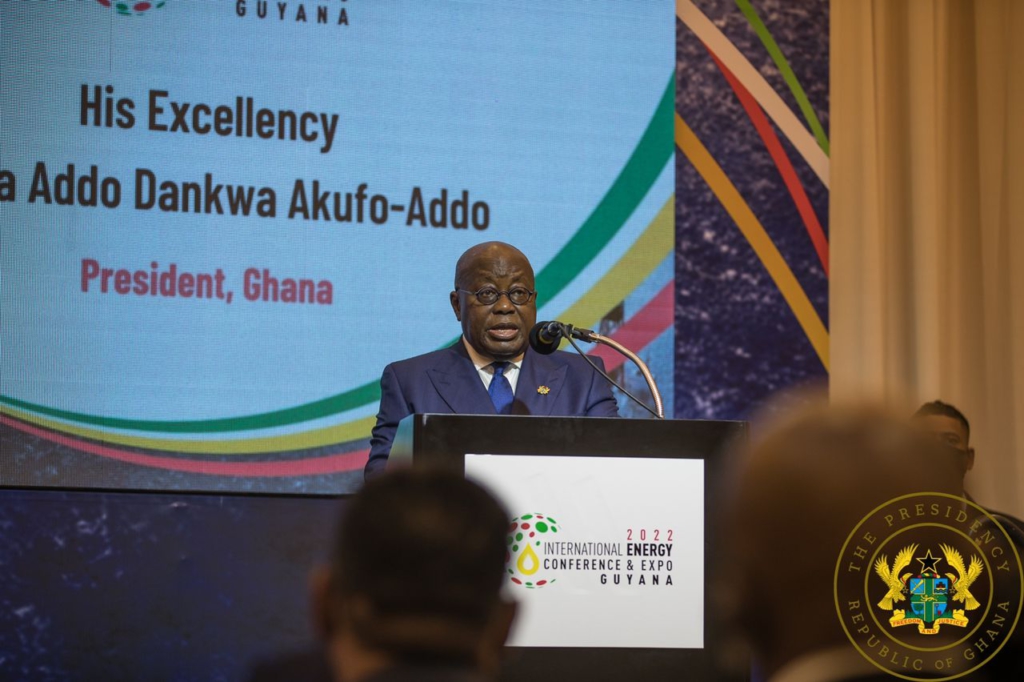
The President said this when he delivered a keynote address at the maiden International Energy Conference and Expo in Georgetown, Guyana on Tuesday.
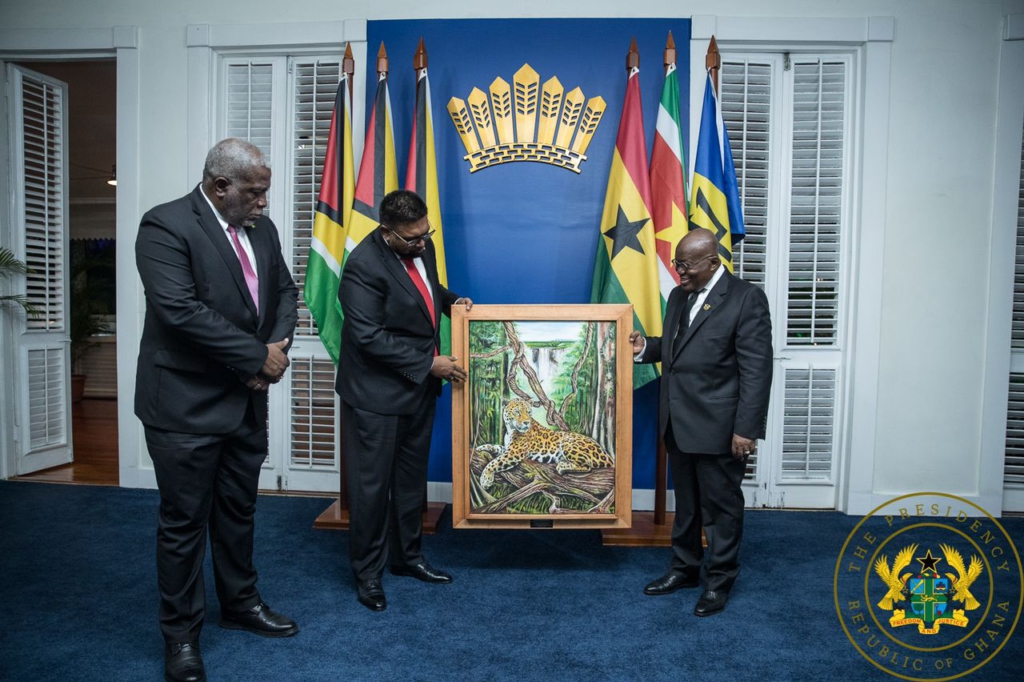
Whilst bringing these fields to production as quickly as possible, President Akufo-Addo urged that Ghana and Guyana must balance carefully social, economic and environmental benefits of these hydrocarbon resources in a continuously changing world.
“No energy project, therefore, no matter how high its return on value, is worth it if the interests of some or majority of the stakeholders are not properly represented, and they are left impoverished and dissatisfied,” he added.
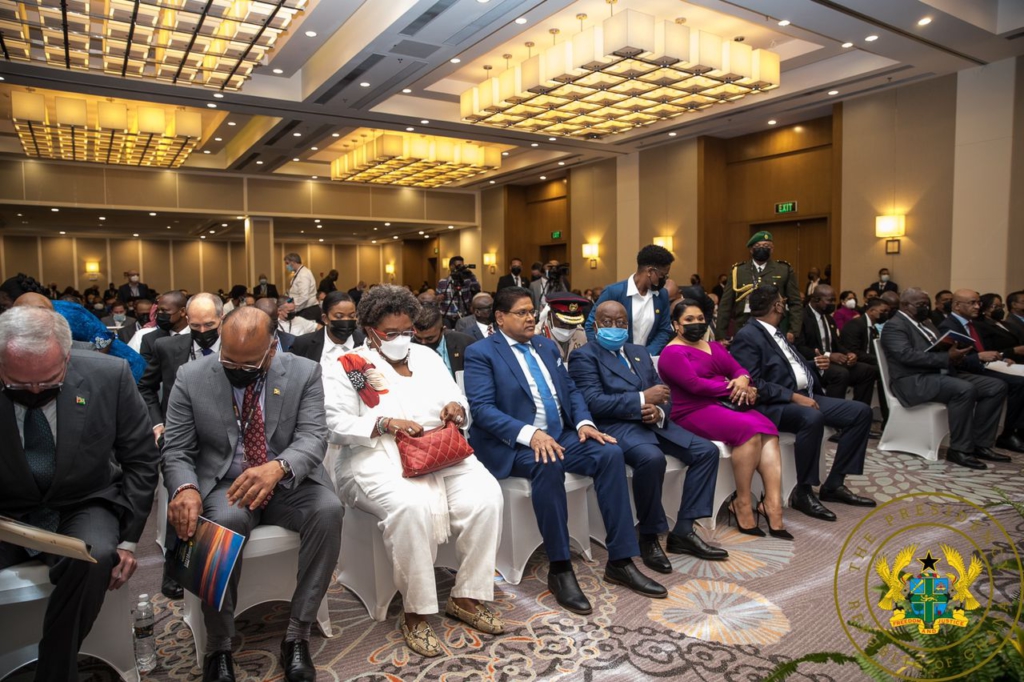
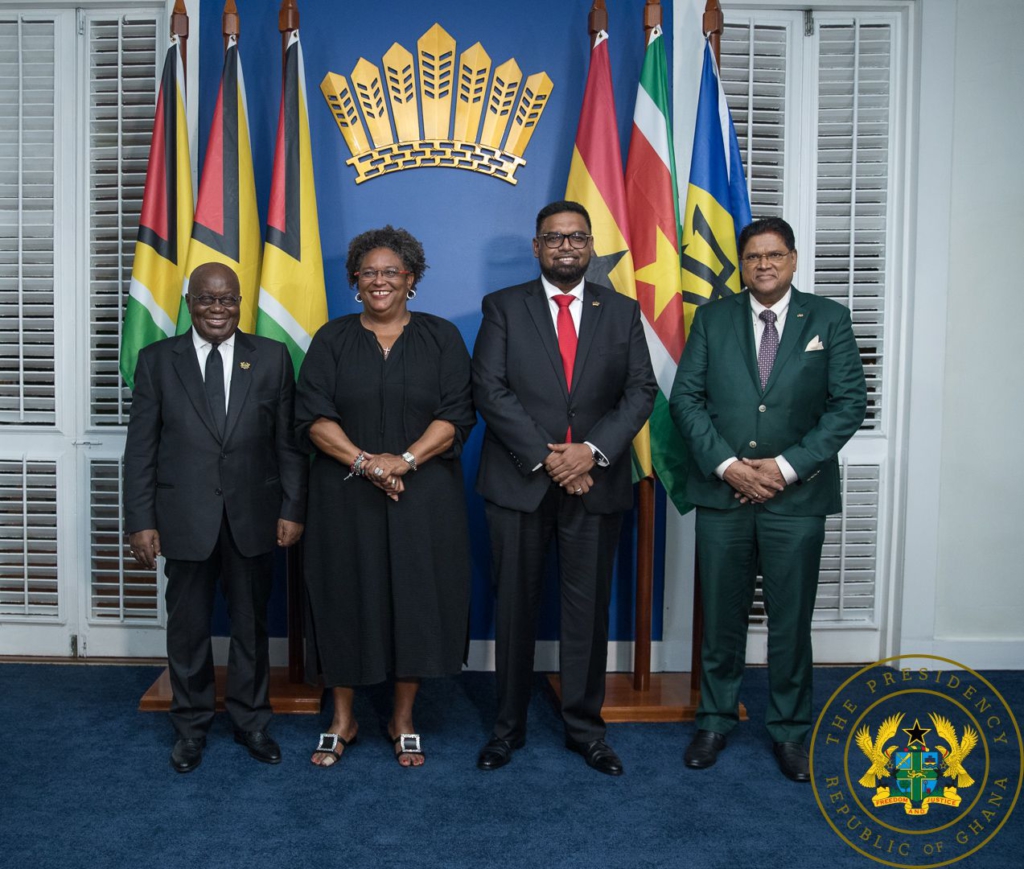
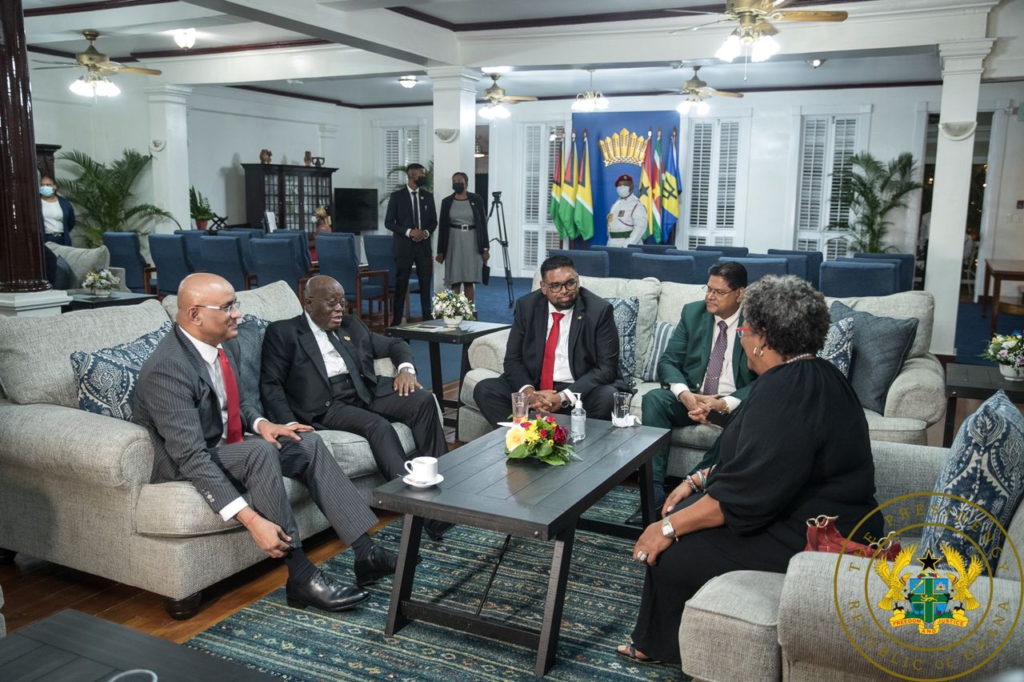
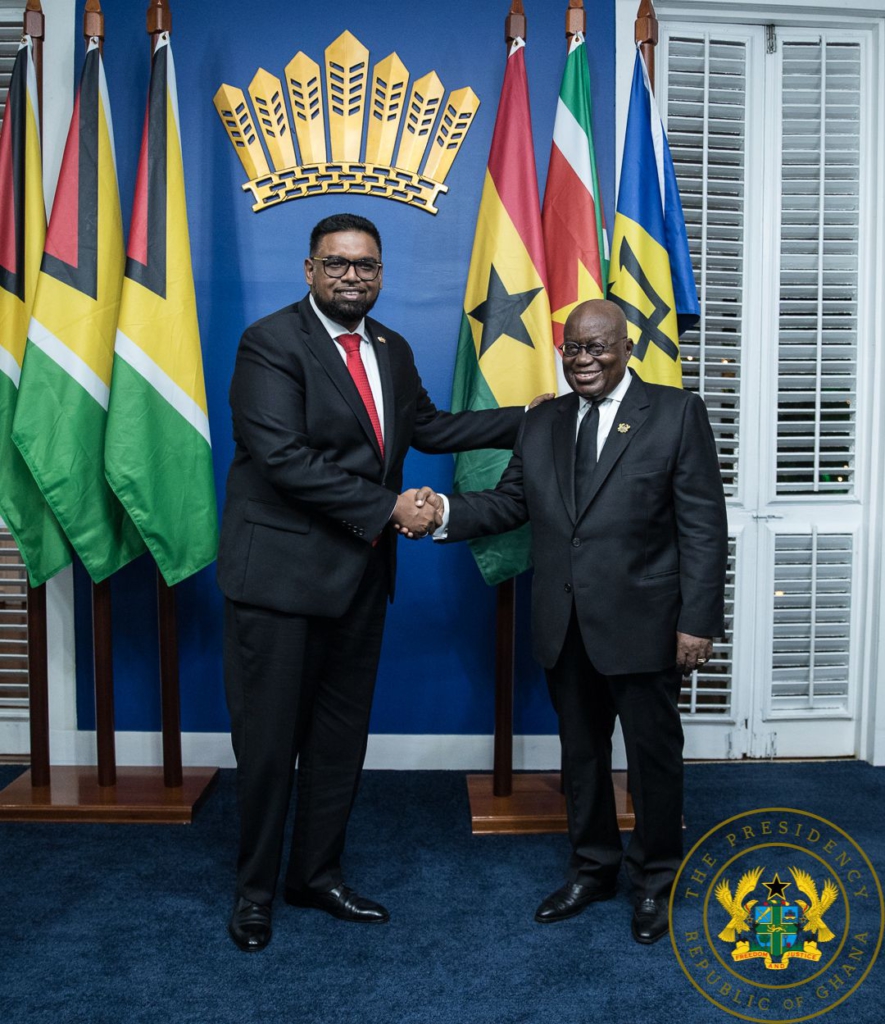
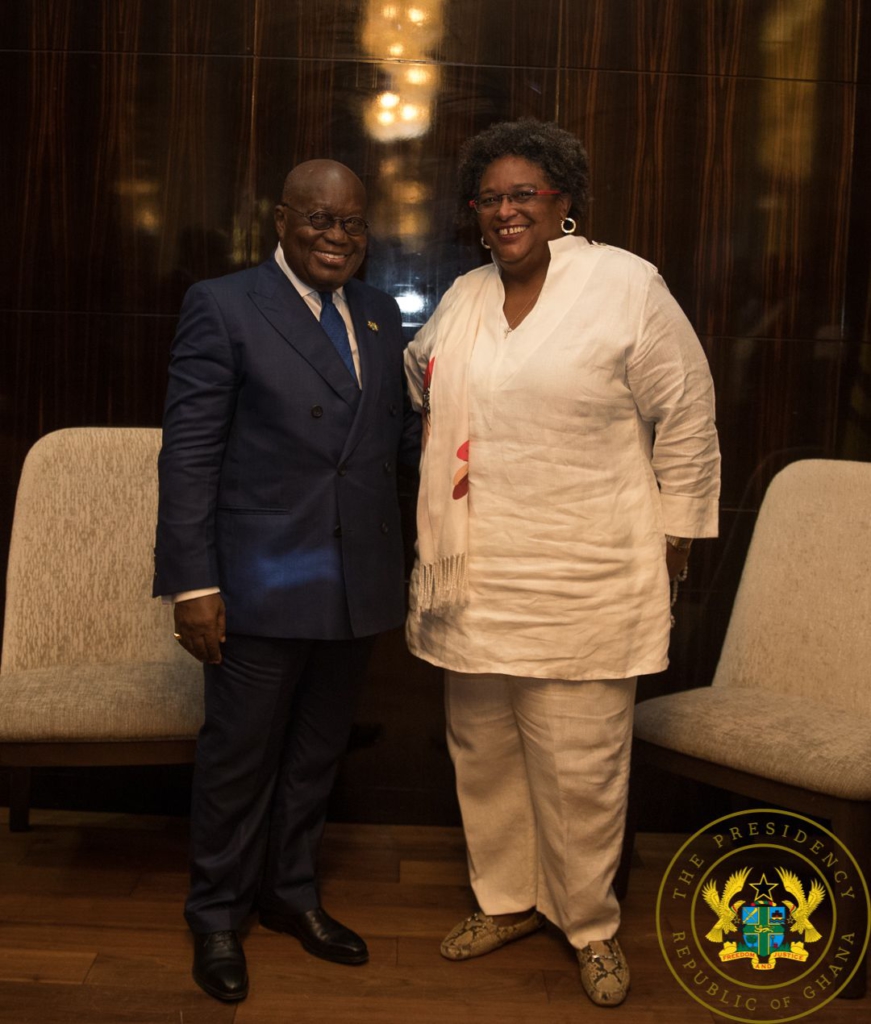
Delivering his speech, President Akufo-Addo told the Conference, which was attended by the President of Guyana, President of Suriname, the Prime Minister of Barbados, and the CEO of Exxonmobil, amongst others, that Ghana is, today, touted as a model case in Africa in the management of oil and gas resources.
According to the President, the discovery of oil resources in Ghana, in 2007, offered a unique, historic opportunity for the country to leverage its new-found oil and gas resources for the development of the Ghanaian economy and to finance priority domestic investments crucial for diversified growth.
“By the Grace of God, many more discoveries have since followed, and Ghana’s ability to use these resources for the development of the economy, and for enhancing the welfare of citizens remains robust,” he said.
With some resource endowed nations in Africa failing to achieve sustainable development from the exploitation of their natural resources, President Akufo-Addo noted that Ghana has implemented a number of policies and initiatives to change the narrative.
These policies, he explained, are focused on ensuring sustainable growth of the sector through legislative development, employment creation, protection of the environment, revenue and cost management, transparency, diversification of the economy, capacity building, and local content development.
“We resolved, soon after our oil discovery, to improve the legal, regulatory, and institutional framework for the efficient management of our oil and gas industry. To demonstrate further our commitment to ensuring transparency and accountability, Ghana set up a Public Interest and Accountability Committee (PIAC) to deal with challenges relating to transparency and accountability, with respect to the use of petroleum revenues,” he said.
The President continued, “Ghana has also signed up to the Extractive Industry Transparency Initiatives (EITI) in relation to oil and gas, which requires that we publish revenues from petroleum resources, and agree to use these resources efficiently for the benefit of the people.”
He told the gathering that a major challenge Ghana has been confronted with is how to develop the oil and gas industry with optimal local content and participation, enhance national development, and create jobs.
To this end, President Akufo-Addo noted that Ghana resolved that the involvement of Ghanaians, in the exploitation of oil and gas resources, could be achieved through mandatory local content in all aspects of petroleum activities, hence the adoption of a Local Content and Local Participation Policy in 2010.
“We have been relatively successful in creating skilled and internationally competitive domestic suppliers through this law. It is important to note that Ghana’s local content law is not about nationalisation of the petroleum sector or a protectionist initiative, but a vehicle for partnering investors to develop a domestic capacity that will bring mutual benefits to the investors and the citizens of the country, who own the resources, and, thereby, ensure social harmony and cohesion,” he said.
Latest Stories
-
La Beach demolition: Senyo Hosi condemns lack of consultation
1 minute -
Russian glide bomb attack on Zaporizhzhia kills at least 15 people
16 minutes -
Jinapor warns underperforming energy sector CEOs of consequences, says no protection for failure
18 minutes -
Fire destroys head of tipper truck on Lower Volta Bridge
22 minutes -
Palmer signs new Chelsea contract until 2034
24 minutes -
World Cup visa scandal: Mahama will act on corruption allegations – Abass Nurudeen
26 minutes -
Abass Nurudeen accuses Minority of ‘scandal scavenging’ over World Cup visa controversy
27 minutes -
US Embassy recognised NSA, GFA and GTA as separate entities for visa applications – Sports Minister’s aide
33 minutes -
Only 30% of Ghanaian teachers satisfied with their jobs – CAPCOE data reveals
44 minutes -
Communities affected by construction of Akosombo Dam urge government to speed up compensation process
1 hour -
World Cup visa scandal: Sports Ministry not shielding anyone – Sports Minister’s special aide
1 hour -
World Cup visa scandal: Over 30 people misrepresented as GTA board members to US Embassy – Vincent Assafuah alleges
1 hour -
Fire destroys wooden structure near Yesu Mo Villa at Bush Road
1 hour -
NDC threatens sanctions over oversized campaign posters, gives aspirants 5 days to comply
2 hours -
Star Oil paid GH¢2.7bn in taxes, levies in nine months of 2026
3 hours