

Audio By Carbonatix
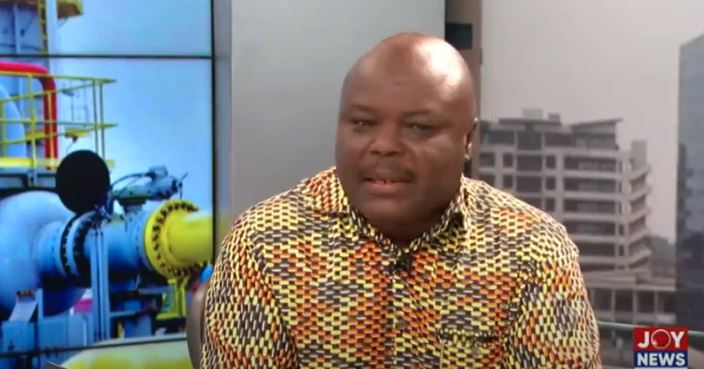
Minister for Public Enterprises, Joseph Cudjoe, has said that he is an advocate of fat salaries for public sector workers who perform.
At a press briefing in Accra on Wednesday, Joseph Cudjoe explained, however, that payment of fat salaries becomes an issue when the worker fails to perform his or her duties.
“Maybe you are talking to the wrong person on salaries when it is fat. I openly declare anywhere that I am an advocate for a good salary and if this is bad tell me this is bad…If the person is performing and being paid a good salary, I would clap for the person.
"If the person is not performing and taking that good salary, you exact performance from the person because you are paying the person. So I am a lover of fat salary. You can’t use me to pay people badly, I always speak for people who are not paid well,” he said.
The minister justified his position by indicating that what makes a country wealthy, "is for people to be paid good salaries”.
He added, “when people get good salaries, it is when they can cater for their needs and also save in the financial system then deposits build up in the financial system. [You] give loans to businesses and individuals who need them. So if someone is taking a good salary, the issue is always whether the person is giving an output that reflects the salary, that is all.”
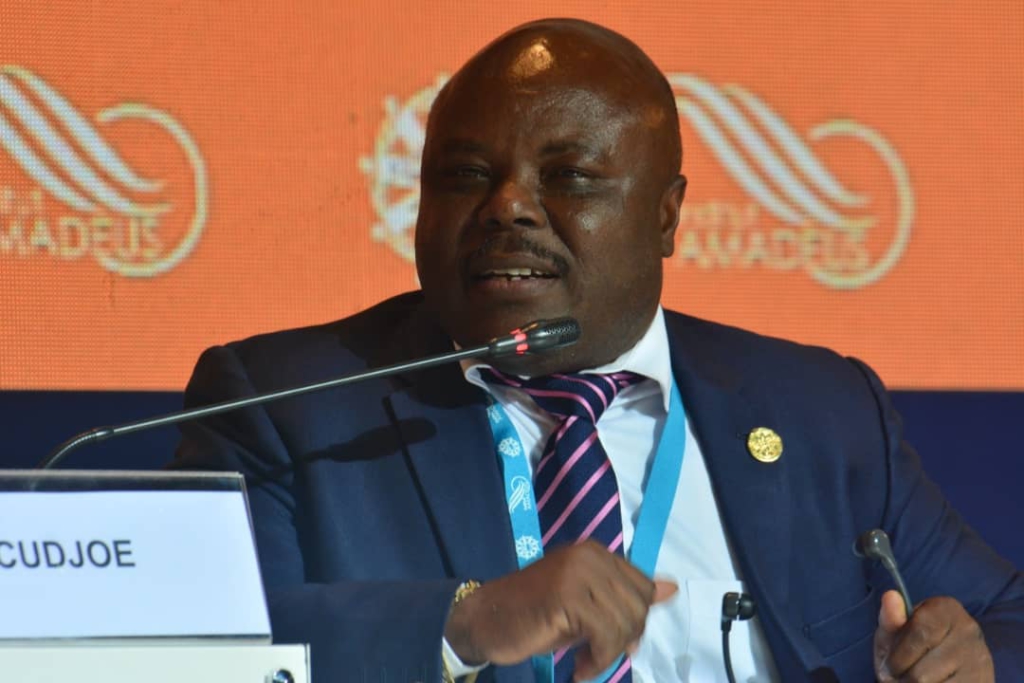
The minister also dispelled suggestions for the sacking of non-performing CEOs of state-owned enterprises stressing the fault may not be entirely theirs.
“They are reporting losses because we are not willing to pay the right prices. Because to report profit means that revenue must be generated, cost should be paid, interests should be generated, taxes, utilities, tariffs, every cost should be paid for and you record profits.
“Their reporting of profits depends on us, not the managers because the manager might be technically competent, professionally savvy and everything, but right pricing or wrong pricing is what would determine their profitability,” he stated.
Meanwhile, the Finance Ministry has revealed that state-owned enterprises reported a GH¢5.3 billion loss in their operations in the 2020 fiscal year.
It added that some SOEs have been reluctant to submit annual accounts since 2017.
To fix the poor state of some of the entities, the Finance Ministry is warning it will no longer support requests for assistance by SOEs that fail to meet the reporting requirements specified in the Public Financial Act.
Deputy Finance Minister, Dr John Kumah, announced this at a forum held by the State Interest and Governance Authority (SIGA) in Accra on Friday, January 28, 2022.
Latest Stories
-
Tyson Fury dominates Makhmudov, calls out Joshua next
13 minutes -
I have supported highway authority financially to fix roads in my constituency – A Plus
1 hour -
US, Iran fail to reach peace agreement after marathon talks in Pakistan
2 hours -
ECG kicks off Phase Two of transformer upgrades at Lashibi; brief outages expected
2 hours -
Port crises loom as 11,000 drivers threaten four-day strike
3 hours -
A source of excellence across generations – Vice President Opoku-Agyemang lauds Mfantsipim
4 hours -
(Photos) Mfantsipim School launches historic 150th anniversary
4 hours -
Knights and Ladies of Marshall group backs Catholic Bishops’ stance on anti-LGBTQ+
5 hours -
Bright Simons writes: All the Filla in the Ibrahim Mahama/E&P – Gold Fields Saga
6 hours -
Monetise Idiocy In Ghana
6 hours -
The Ghanaian prophet and the mysterious death of his scottish wife Charmain Speirs
7 hours -
Nearly 400 sentenced in Nigeria for links to militant Islamists
7 hours -
Ghana’s recovery supported by gold strength despite global oil price pressures – Standard Bank Research
7 hours -
Methodist Church hails Mfantsipim@150; calls for “fresh consecration” to excellence
7 hours -
‘Excellence is our inheritance’ – Nana Sam Brew-Butler hails Mfantsipim’s 150-year reign in leadership
8 hours