

Audio By Carbonatix
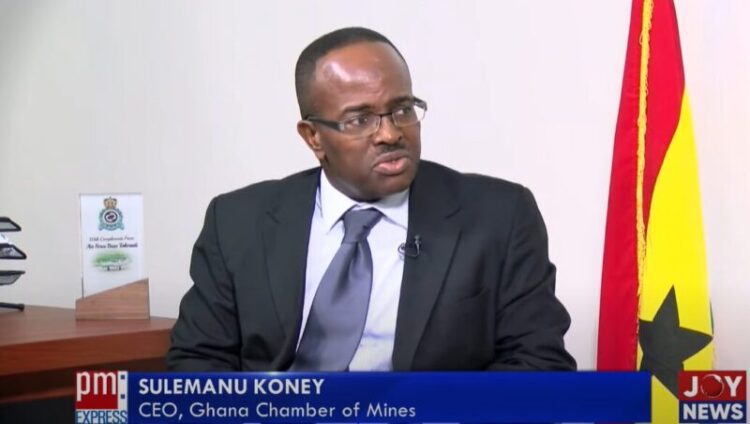
The CEO of the Ghana Chamber of Mines, Sulemanu Koney, has provided critical insights into the role of the mining sector in stabilising the local currency.
Speaking to Joy News’ PM Express Business Edition on Thursday, September 19, he stated that without the contributions of the mining industry, the Ghanaian cedi could be in far worse shape, possibly reaching ¢25 to $1.
He countered arguments suggesting that the mining industry has not sufficiently impacted the local currency, stating, “Trust me, if you didn’t have the mining industry, we would probably be heading to around ¢25 to $1.”
Mr Koney acknowledged that while there are misconceptions about the industry’s contribution to the economy, he stressed that the facts speak for themselves.
Read also: BoG says it capped allocation to ‘Gold for Oil’ policy in line with IMF directive
According to him, a significant portion of the country’s foreign exchange earnings comes from mining, and initiatives like the collaboration between the Bank of Ghana and mining companies to sell part of their gold reserves have played a crucial role in shoring up the currency.
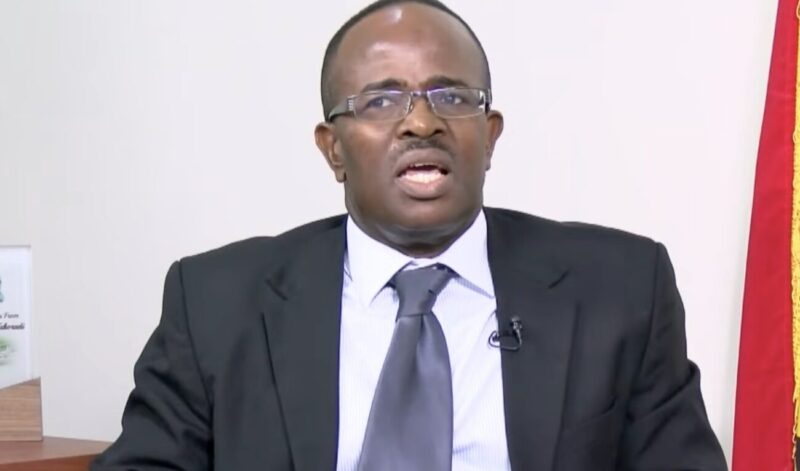
“Over the last few years, we’ve had a collaboration with the Bank of Ghana where part of our gold is sold to them as part of their reserves. This has been voluntary, not compulsory, but we still do it,” Mr Koney explained.
In response to claims that Ghana’s mining sector should bolster its gold reserves more effectively like some non-mining nations, he highlighted a key difference: “Countries that don’t mine gold often have huge reserves, but that’s because they play in a different space.
"Mining companies are not in that business. We bring the foreign exchange into the country to run our operations.”
Read also: Analysis: Ghana’s Gold-for-Oil gamble
He also pointed out that mining companies contribute to the economy by purchasing various inputs, including labour, energy, and consumables, all of which are paid for in cedis.
“You have to pay for labour, energy, and other inputs locally. How do you do that if you don’t bring money into the country? Naturally, a significant portion of revenue comes back,” Koney said.
Latest Stories
-
GPRTU in Savannah Region to protest alleged eviction in Damongo
20 minutes -
Re: Reinsurance does not replace process — A response to the SIGA–SIC defence
34 minutes -
Gender Ministry supports Harriet Amuzu in ongoing abuse case
47 minutes -
AG joins plaintiff to scrap OSP ?: We should be mindful of the mischief in this – Bobby Banson
54 minutes -
Samson Lardy Anyenini questions willingness of Attorneys-General to prosecute political colleagues
56 minutes -
It is only fair the OSP is heard in Supreme Court case – Bobby Banson
1 hour -
Asiedu Nketia resumes Ashanti tour, second leg kicks off on Sunday
1 hour -
NLA denies salary cut claims, threatens legal action over reports
1 hour -
BoG Governor honoured for stabilising cedi, improve inflation
1 hour -
Kyebi Easter Homecoming 2026: A resounding success!
2 hours -
Trade Minister applauds GUTA as a pillar of economic growth; Prez Mahama honoured
2 hours -
President’s brother’s takeover of Damang Mines is ‘untidy’ – Alhassan Tampuli
2 hours -
It’s not true that gov’t decided not to renew the lease for Gold Fields – Bobby Banson
2 hours -
Ghana to boost tomato production with 60-hectare irrigated farms and processing initiatives
3 hours -
E&P’s takeover process of Damang Mines was very clean – Inusah Fuseini
3 hours