

Audio By Carbonatix
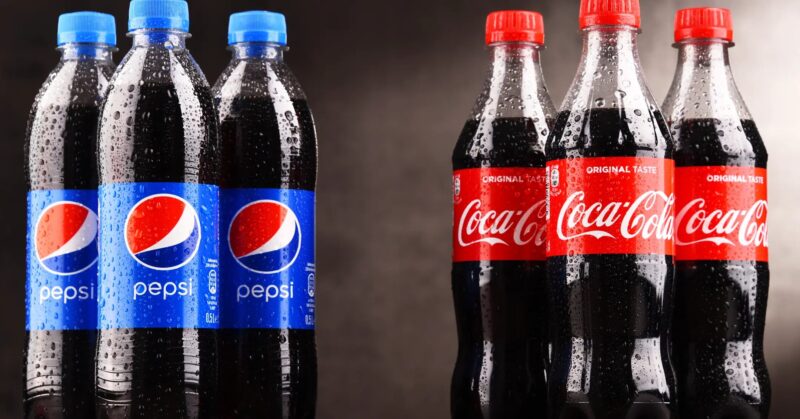
Pepso and Coke bottlers in the West Bank are running out of cans and sugar, blocked by the prolonged closure of a Jordan border crossing, managers of two soda-bottling plants in the occupied Palestinian territory said.
In the latest global supply chain snarl due to the conflict in the Middle East, a crucial trade crossing at the Allenby bridge has been largely closed to commercial traffic since early September after a Jordanian gunman shot and killed three Israeli civilians.
Sugar and cans previously were transported to West Bank bottlers from Jordan via the bridge, according to Hatim Omari, manager of a plant that bottles Pepsi, 7UP and Mirinda for sale in the Palestinian territories and neighbouring countries.
The Pepsi facility, located in Jericho, ran out of materials for its canned soft drinks about 15 days ago, Omari said and has not been able to get new shipments of cans or sugar for more than one month. Its sugar came from Saudi Arabia, he said.
A Coke bottler based in Ramallah has been running low on some soft drink flavours and is without its usual supplies of sugar and cans, according to Imad Hindi, general manager of National Beverage Company.
"If the situation continues this way, most of the private sector players including us will reach a dead end," Hindi said in a WhatsApp message.
Pepsi did not immediately respond to a request for comment. Coca-Cola declined to comment. The bottlers are separate businesses, but sometimes the U.S.-based companies hold stakes in them.
GAZA, WEST BANK COSTS SOAR
The bottlers are the latest businesses to be hit by supply chain disruptions due to the conflict in the Middle East over the past year. Houthi attacks on cargo ships in the Red Sea have prompted some global consumer companies to reroute their merchandise from Asia to sail around Africa.
"From Beirut to Iran to Gaza, it’s really hard to just run a normal business and no one is immune to it," said Paul Musgrave, an associate professor of government at Georgetown University in Qatar. "You need sugar, you need cans, you need people, you need electricity, and it’s all being disrupted."
The cost of doing business in the Palestinian territories is roughly five times greater than in surrounding countries, according to Hindi, manager of the Coke bottler in the West Bank.
At the Pepsi bottling franchise, which previously made 60 million litres of beverages annually, production is down roughly 35%, Omari said. Without cans, it continues to use plastic bottles, but he said margins on plastic-bottled drinks are lower.
High unemployment in the densely populated West Bank, where he said Pepsi is a dominant cola, hurts local families' ability to buy Pepsi drinks, he said.
"Our supply is weak now, and our sales are weaker."
The plant now runs one shift per day for its 200 total workers, down from three previously, Omari added.
Beyond supply shortages, consumer-led boycotts of U.S.-based brands like Coca-Cola (KO.N), opens new tab and Pepsi have hurt companies' sales in Muslim-majority countries, where some consumers shun the soft drinks.
PepsiCo CEO Ramon Laguarta said on Oct. 8 in a call with investors that "geopolitical tensions" have affected the company's business in the Middle East. "I don't think that's going to change in the coming months," Laguarta said.
Coca-Cola reports its financial results for the third quarter of 2024 on Oct. 23.
Israel launched an assault on Hamas in Gaza last October after an unprecedented Hamas raid on Israel killed 1,200 people and resulted in another 250 being abducted. More than 41,000 Palestinians have been killed in Gaza over the past year.
In the Gaza Strip, a $25 million Coca-Cola plant was destroyed. A partly-damaged Pepsi bottling plant ceased operations last October, a spokesperson for the plant said.
Latest Stories
-
Drivers unhappy over rising fuel prices— Deputy PRO, GPRTU
4 minutes -
Ghana’s coach Otto Addo to name squad for March international friendlies
5 minutes -
Stalemate at Asikuma Odoben Brakwa Assembly as Presiding Member seat remains vacant
7 minutes -
Ireland-funded cassava flour and industrial starch feasibility study launched in the Bono Region
12 minutes -
Government didn’t instruct cocoa buyers to halt purchases — LBCs President
20 minutes -
Ex-Deputy Defence Minister confirms Falcon 900 Presidential Jet in good condition after servicing in France
20 minutes -
Middle East conflict poses fresh inflation risks for Ghana – BoG Governor
22 minutes -
Three arrested over murder and assault at Gbiniyiri in Savannah Region
24 minutes -
Ghana is a nation in crisis over youth unemployment – Nana Agyei Baffour
27 minutes -
Charging GH¢200 from 500,000 security applicants exploits vulnerable youth – Manhyia South MP
36 minutes -
Stanbic, IFC, Mastercard partner to boost women-led SMEs
50 minutes -
Fans push for Prince Amoako Jnr Black Stars call-up after impressive season in Denmark
52 minutes -
Women’s FA Cup semifinals take centre stage at Cape Coast Stadium on March 21
1 hour -
Osei Akoto slams Asiedu Nketiah over disappointing employment comments
1 hour -
Okudzeto Ablakwa, others dishonest on state of presidential jet – Sulemana Braimah
1 hour