

Audio By Carbonatix
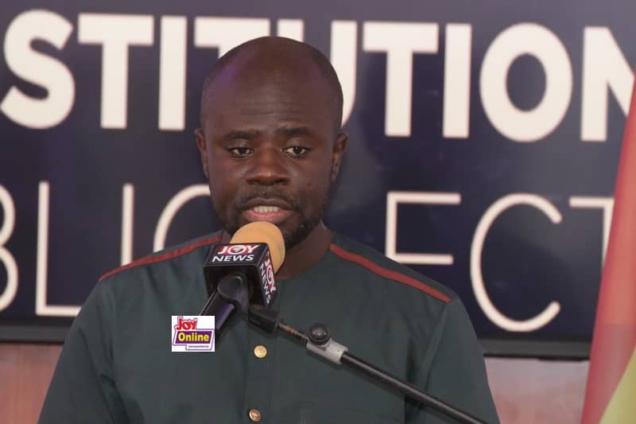
The Dean of the Faculty of Law at the University of Professional Studies, Accra (UPSA), says government’s inability to complete all processes before terminating the GPGC contract, resulted in the $170 million judgment debt against the state.
Prof. Ernest Kofi Abotsi, speaking on JoyNews’ Newsfile, Saturday, explained that, before contracts are terminated, there is an assessment of the balance of benefit and liability to inform the parties involved, whether to push forward and terminate or comply with the clauses in the contract.
Although holding the view that this procedure was followed by the government, Mr Abotsi noted that the processes were not completed to ensure the State is not hit with claims of damages.
“It appears to me that somehow, some calculations weren't done or some consultations weren't complete and in the process, it explains why we are here,” he told host Samson Lardy Anyenini.
He, therefore, questioned the bases on which government was advised to terminate the contract when indications showed government may be liable.
"The question is who are the people who are making those assessments? Those are assessments that can be done. There are lawyers whose field are simply to specialize in quantum assessment so they will advise properly on what steps to take."
“Everything depends on the calculation of your risk liability, i.e. If you should comply or terminate the contract, what is your cost? For the termination of your contract, your calculation should be, if you do not comply with the termination clause, what is your potential assessment of damages in case you are sued in court?
"So I have to do a commercial calculation and do an assessment of the balance of benefit and liability, and once I think it balances on the side of benefits, I go with benefit. I just terminate and go away."
“I suspect these were done but if they were done, then the question is, when the decision was taken not to comply with the Committee's decision, again what were the consultations? Who was speaking to who? What assessment was done? Ultimately, did we have clarity on how much it will cost if we terminate in compliance and breach of contract? he quizzed.
Prof. Kofi Abotsi revealed that an Attorney General can be held responsible for causing financial loss to the state if investigations prove there was negligence.
He said there is no immunity for the Attorney General in the 1992 constitution.
“He is liable if he fails to exercise skill and diligence" he stated.
Latest Stories
-
Omanhene Kwabena Asante accuses GIADEC CEO of discrimination in mining concessions
32 minutes -
Majority of Ghanaian importers lack awareness of cargo insurance – Gyampo
38 minutes -
GJA Ashanti applauds Asantehene for securing land for new press centre
42 minutes -
Ghana to benefit from France’s National health platform following Paris talks
57 minutes -
Due process must prevail in Ofori-Atta’s immigration and extradition cases – Lawyer
1 hour -
Oil palm fund will create coherent ecosystem, boost supply—DBG CEO
1 hour -
Police arrest man for illegal drug peddling at Pankrono
1 hour -
Industry collaboration key to solving skills mismatch – NYA CEO Osman Ayariga
1 hour -
Ghana, Egypt deepen security ties following high-level meeting
1 hour -
Every neurodivergent child deserves to thrive – AWARE 2026 walk set for North Legon
1 hour -
Ghana-Russia Centre, ATF donate to Princess Marie Louise Children’s Hospital
2 hours -
NPP increases polling station coverage per election committee from 10 to 25
2 hours -
Ghana card cannot be used for financial transactions – NIA debunks false reports
2 hours -
Successful conviction secured for illegal fish processing operation in Watford
2 hours -
Bowen: Ceasefire means respite for civilians, but it might not last long
2 hours