

Audio By Carbonatix
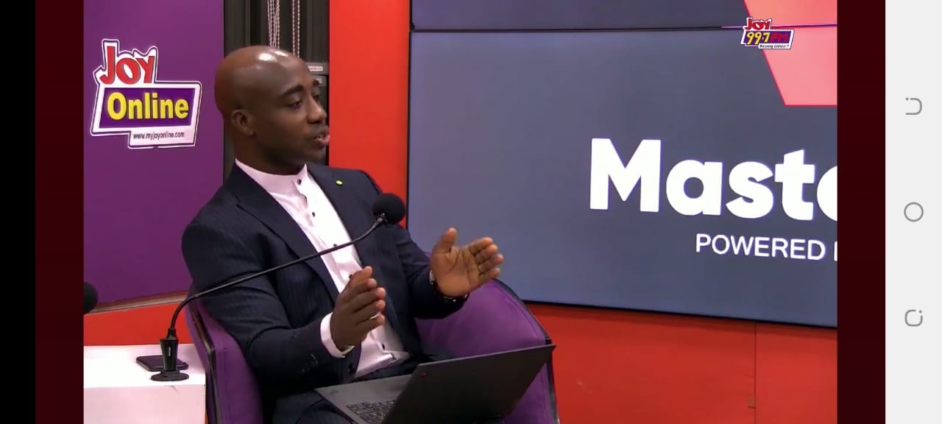
A Partner at Deloitte Ghana, Yaw Lartey has expressed worry about the increased policy rate, saying it will not address the rising inflation rate, but rather shoot up cost of borrowing.
According to him, though the monetary policy rate historically has helped to manage inflation, the current economic situation proves otherwise.
The Bank of Ghana on Wednesday, August 17th, 2022 adjusted upwards the policy rate to 22%, a move to discourage spending and fight inflation.
“So, we know that historically, the monetary policy rate has been used to manage inflation, particularly in an attempt to mop up excess liquidity from the market where necessary. However, in this particular situation, we do not believe that the increase in monetary policy rate will help manage inflation. And this is so because in the last four months, the Ghana Statistical Service has released inflation rate which points out to the fact that imported inflation is the key driver”.
“So imported inflation has outpaced domestic inflation. When you have imported inflation, it is very difficult to use monetary policy to manage it because a lot of it is driven by factors that are beyond the control of the market forces, particularly within the country”, he added.
Mr. Lartey advised the government to address the rate of depreciation of the cedi if the country wants to fight inflation.
“So, what government should focus on is to manage the rate of depreciation if it really want to deal with imported inflation. We should ensure that the cedi is stabilised or strengthened against major trading currencies because a lot of the imported inflation is driven by the fact that they’re importing some commodities; and when the local currency depreciates, we don’t have to spend more to import those commodities”.
He argued that addressing the cedi’s depreciation will help protect people’s investments, adding that the current rate of return on the money market is less than 28%, lower than the inflation rate of over 31%.
“And the benefits, we are likely to get is that people’s investments have been protected. So, as we speak we initially projected an inflation rate of 8% inflation. Now we have revised it to 28%. What that means is that any return on investment is less than 28% will be a negative return.”
“Currently, Treasury bills are trading at about 27%. This year’s inflation is about 31%. And anybody who’s investing at 26% whether any of Ghana’s security is getting a negative return on investment,” he added.
Mr. Lartey however urged the Bank of Ghana to make more funds available for financial institutions to help mitigate the cost of borrowing, and consequently reduce the cost of doing business.
Latest Stories
-
$600m tomato imports undermining Ghana’s economy — Chamber of Agribusiness
6 minutes -
Rainstorm wreaks havoc: Faulty transformers, feeder failures leave parts of 3 regions without power
14 minutes -
CUTS International calls for urgent competition law amid sachet water price hikes
54 minutes -
‘I never did this advert’, AI clones hijack Ghanaian identities for profit
1 hour -
25-year-old woman battles trauma after surviving deadly Nkwanta attack
1 hour -
Vice President honoured at Tortsogbeza as South Tongu leaders highlight development needs
2 hours -
Kwahu Business Forum 2026: Corporate citizenship, sustaining African businesses take centre stage with KGL as the case study
3 hours -
Trump seeks $152m to reopen notorious Alcatraz prison
5 hours -
Ex-Chelsea player Oscar retires with heart issue
5 hours -
CA Foundation drives constitutional literacy in Kpone Katamanso municipality
5 hours -
GPRTU to hold talks with Transport Ministry over rising fuel costs
5 hours -
CUTS International urges gov’t to halt sachet water price hike pending cost review
5 hours -
Chief Justice: Efficient Judiciary essential to reducing business costs
5 hours -
Bayern grabs 99th-minute winner to cap superb fightback
6 hours -
Ahmed Ibrahim urges Ghanaians to reflect Easter values in nation-building
6 hours