

Audio By Carbonatix
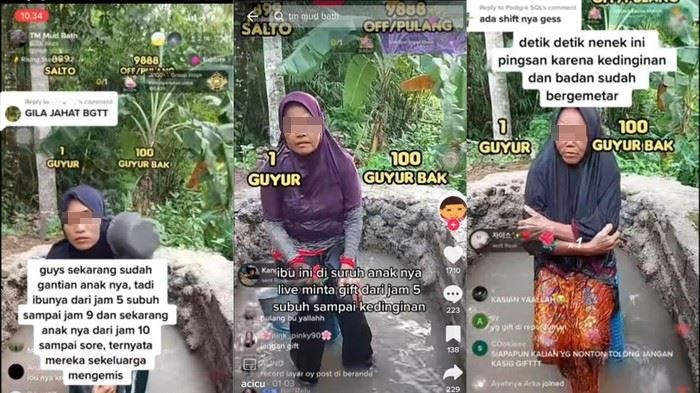
Begging is reportedly going digital in Indonesia, with street beggars posting clips on TikTok asking for virtual gifts instead of actually going out on the street.
TikTok begging has reportedly become such a widespread phenomenon in Indonesia that the Government has been forced to step in to reign it in.
The Asian country’s social minister has asked her staff to increase efforts of preventing begging, both online and offline, and Muslim groups have appealed to the general public in an attempt to stop “begging and asking for free goods and money,” which they claim “demean human honor” and are forbidden in Islam.
However, there is little they can do against the wave of beggars enticed by TikTok’s gift-offering features, which allow them to exchange virtual gifts for real money.
Byte Dance’s popular video-sharing platform allows creators with at least 1,000 followers to receive virtual gifts from their followers, gifts that can then be converted into actual money.
This is a feature available on a slew of other social media platforms, but the popularity of TikTok apparently made it perfect for beggars.
Instead of spending several out on the street, asking for handouts from generous passers-by, TikTok beggars need only record a video of themselves performing some pity-inducing acts, post it on the popular social network, and watch the money start rolling in.

One popular trend has seen beggars, especially elderly women, appeal to viewers’ generosity by pouring mud water over themselves. Some of these mud baths can go on for hours and are apparently pretty profitable considering how popular they have become. Sadly for these modern beggars, the government has been cracking down on this sort of content, asking the platform to delete mud bath videos.
Despite the Indonesian Government’s attempts to curb the popularity of TikTok begging, experts say the trend is likely to continue as long as people continue to believe that they do good by giving directly to beggars.
“In the digital world, the way we give help doesn’t feel like we are giving help, for example by giving gifts, or symbols or features. These gifts can then be capitalized on by the person asking for help,” Devie Rahmawati, a sociologist at the University of Indonesia, said.
Interestingly, Indonesia makes up TikTok’s second-biggest user base in the world with 99.1 million users, behind only the United States.
Latest Stories
-
Ghana’s recovery supported by gold strength despite global oil price pressures – Standard Bank Research
6 minutes -
Kwaku Azar writes: A-G vs OSP
39 minutes -
Mfantsipim–Adisadel rivalry built excellence, not division – Sam Jonah
1 hour -
Vice President launches Mfantsipim’s 150 years of shaping Ghana’s greatest mind
1 hour -
I assure Otumfuo, Mahama will join him to commission KNUST Teaching Hospital by end of this year – Haruna Iddrisu
2 hours -
Barcelona dominate derby to extend La Liga lead
2 hours -
Gov’t to roll out free special education for persons with disabilities from July 1 – Education Minister
2 hours -
Importers and Exporters Association declares full support for Publican AI port system
3 hours -
“We used it to test our officiating officials’ readiness” – Bawah Fuseini after CAA Athletics event
3 hours -
Volleyball emerges as Ghana’s fastest rising sport
3 hours -
National Sports Fund needs strong leadership from the top – Administrator David Wuaku
3 hours -
JoySports Exclusive: Steve McLaren in talks with GFA after expressing interest in Black Stars job
3 hours -
Fire guts auto parts warehouse at Bubuashie, one fire officer injured
3 hours -
I owe my victory to coach Ofori Asare – Allotey after winning WBA Africa Gold Super Flyweight belt
4 hours -
Church of Pentecost supports over 2,000 BECE candidates in Obuasi with career guidance seminar
5 hours