

Audio By Carbonatix
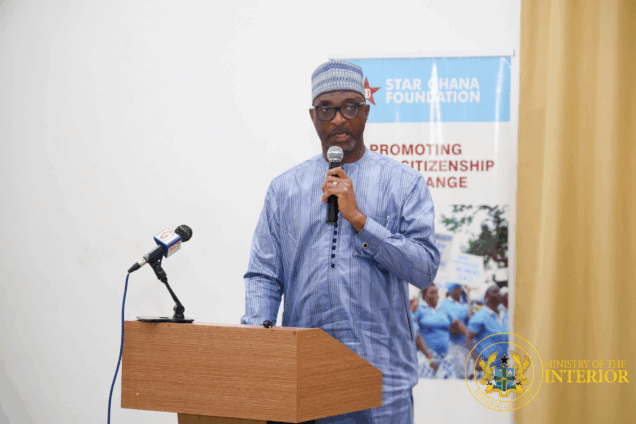
The Minister for the Interior, Muntaka Mohammed-Mubarak, has called for urgent and collective action to address the growing security challenges facing Northern Ghana.
He warned that the threat of terrorism is real and persistent.
The minister made the call at the 6th Dialogue of State and Non-State Actors on Peace and Security in Northern Ghana, held in Tamale, which brought together key stakeholders to deliberate on ways to strengthen peace and security in the region.
- slot pulsa
- situs slot 5000
- slot deposit 5000
- royalhoki77
- https://poolsafetygroup.com.au/what-we-do/
- https://patorama.com.au/helicopter-photography/
- https://reactmaintenancegroup.com.au/electrical-maintenance/
- https://www.100plumbing.com.au/work-with-us/
- slot maxwin
- https://finishingblade.ca/Banner/
- https://tubulousaustralia.com.au/gallery/
He highlighted Ghana’s reputation as a beacon of peace in a volatile sub-region but cautioned that this stability is increasingly at risk. “While Ghana has not yet suffered a terrorist attack on its soil, the threat is real, persistent, and closer than ever before,” he warned.
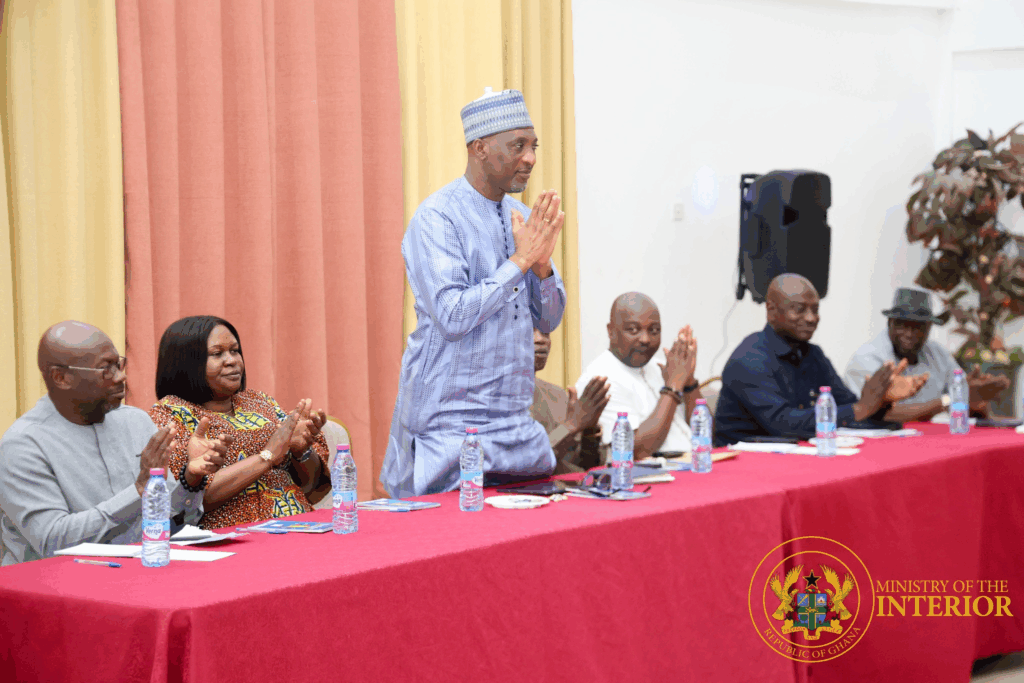
He stressed that tackling emerging security threats requires a comprehensive and inclusive approach, saying peace is not just “the absence of conflict, but the presence of justice, opportunity, and mutual respect.” The Minister urged participants to engage the dialogue with “empathy and innovation” to ensure a peaceful and prosperous Northern Ghana.
He further called on stakeholders to focus on building trust between communities and security agencies, investing in youth employment and development, and empowering women and traditional authorities. He also encouraged responsible media engagement to promote peacebuilding and counter misinformation.
In his remarks, the Northern Regional Minister, Ali Adolf John, outlined some of the region’s pressing security issues, including the Bawku conflict, the Bimbilla chieftaincy stalemate, and the Nanton chieftaincy crisis.
He noted that the region’s proximity to neighboring countries makes it particularly vulnerable to violent extremism spillovers, emphasising the need for a coordinated and sustained response.
He added that beyond extremism, Northern Ghana continues to grapple with chieftaincy disputes, land conflicts, substance abuse, and cross-border crimes, which all undermine peace and development efforts.
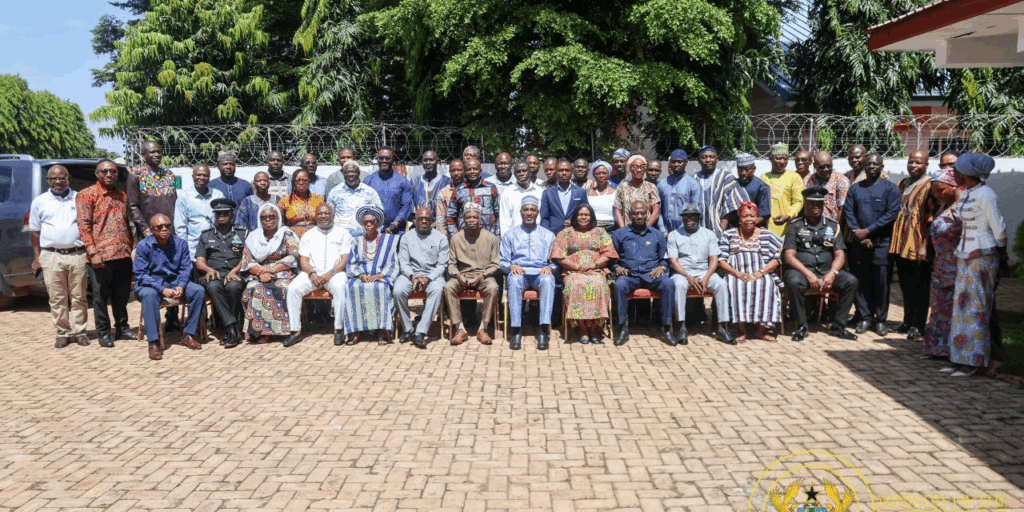
The dialogue, organised by the STAR-Ghana Foundation and its partners, brought together Regional Ministers from the Northern, North East, Savannah, Upper East, and Upper West Regions, alongside representatives of security agencies, civil society organisations, traditional and religious leaders, and community stakeholders.
Latest Stories
-
Health Ministry engages Ga Mantse ahead of Free Primary Healthcare launch
4 minutes -
We can tackle multiple priorities – Sam George defends Anti-LGBTQ Bill push
39 minutes -
Statement: Ghana Chamber of Mines’ Response to Claims in Joe Jackson’s “Ananse Stories about the Economy of Ghana”
40 minutes -
GES opens 2026 teacher recruitment for licensed B.Ed graduates
43 minutes -
Ghana must value skilled trades, build resilient learners — Ibn Chambas
51 minutes -
Ghana must rethink education around relevance, resilience and responsibility — Ibn Chambas
54 minutes -
Prince Harry faces defamation lawsuit from charity he co-founded
56 minutes -
South Korea deploys thermal cameras to track escaped zoo wolf
57 minutes -
Calls for royal meeting with Epstein survivors grow ahead of US visit
1 hour -
Ibn Chambas advocates blend of technology and human values in education
1 hour -
UMA improves healthcare access in Asutifi North with GH₵700k ‘Kim Taylor Legacy’ Walkway
1 hour -
Scholarships Authority and Fanaka University offer sponsorship for procurement and supply chain studies
1 hour -
Bisa Kdei drops new single ‘Go N Look’ featuring Medikal
1 hour -
Benin facing rising terrorism in north as French military presence faces growing criticism
1 hour -
UEW Public Lecture Series 2026: Education debate ‘about the soul of Ghana’s future’ — Dr Ibn Chambas
1 hour