

Audio By Carbonatix
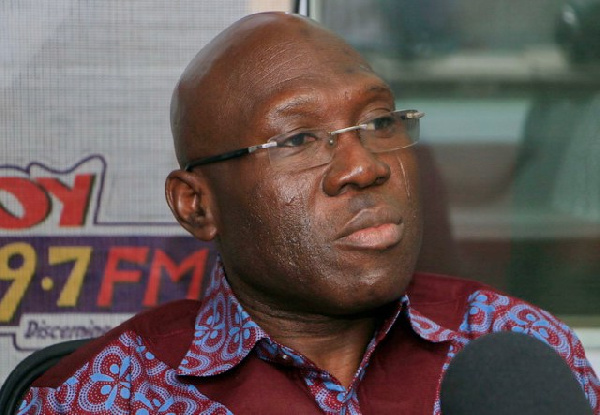
Former Tamale Central MP Inusah Fuseini is advocating the implementation of strict regulations to cap campaign spending as a means to curb vote-buying and monetising elections in the country.
Speaking on JoyNews’ PM Express on Monday, the private legal practitioner emphasised the need to target candidates rather than delegates in efforts to curb corruption during election campaigns.
Drawing attention to the pivotal role played by candidates in the electoral process, he argued that monitoring a smaller group of individuals, such as the 275 MP and presidential hopefuls, would be more feasible and effective compared to monitoring a larger number of delegates.
Mr Fuseini is the latest voice to join many influential and think-tanks that believe that to save Ghana’s democracy, legislation that limits and holds candidates accountable is the efficient strategy.
Proposing a legislative framework to address the issue, the former MP outlined three key components; transparency, financial disclosure, and a cap on money expended on campaigns.
According to him, transparency would require candidates to disclose their campaign expenditures and activities during a specified campaign period.
“And somebody must be there monitoring what the parliamentary candidate or a presidential candidate is doing, and how much a presidential candidate is spending,” he explained.
He also stressed the importance of financial disclosures, including the identification of campaign donors and the transparent handling of campaign funds.
“Who is contributing to the campaign of the candidate? I mean, is he lodging the money in the bank? Is he making the accounts of his campaign funds, available for scrutiny? The legislation must target that.
"I mean you cannot just receive money from a donor and then spend the money. You must first channel the money through subtitles and then you will have the body established to track how you spend the money.”
Lastly, the former MP called for the establishment of spending caps to limit the amount of money candidates could expend during an election cycle.
“You cannot spend more than GH¢100,000 in an election. If you spend more, then you have to answer to where the more is coming from, and that is accountability.
“So there must be laws and when you are caught, you must be punished. The sanctions are there you must be punished and that account must be available for anybody,” he suggested.
The conversation surrounding vote-buying and monetisation of election shot up into the limelight after the MP for Kwadaso, Prof Kingsley Nyarko was captured on camera giving an envelope containing an undisclosed amount of money to some personnel of the Electoral Commission (EC) during the just-ended Ejisu by-election.
Latest Stories
-
Gov’t sets 12%–12.5% guidance for 7-year bond as market re-entry gains momentum
12 minutes -
New political party to challenge dominance of two major parties
19 minutes -
Stroke survivors demand inclusive healthcare, urgent policy interventions nationwide
23 minutes -
China reaffirms unwavering ties with Ghana as Ambassador presents credentials
30 minutes -
Wrongful teacher postings undermine early childhood education in Upper East
35 minutes -
Five new envoys present Letters of Credence to Mahama
40 minutes -
BoG Governor says building buffers and lowering credit costs go together
46 minutes -
Fuel shock looms as petrol nears GH¢15.19, diesel GH¢17.85 from April 1
53 minutes -
From May to December, nothing works – Tomato traders reveal harsh reality for farmers
1 hour -
Ghanaian farmer can’t grow tomatoes because of lack of irrigation – Tomato Importers Association president
1 hour -
Social media firms must better enforce Australia under-16 ban, watchdog says
2 hours -
King Charles should meet Epstein victims, US lawmaker says
2 hours -
Belgian ex-diplomat appeals order to stand trial in Congo’s Lumumba murder
2 hours -
Cholera aid for African countries stalled by Iran conflict
2 hours -
The Oscars are leaving Hollywood
2 hours