


Audio By Carbonatix
In a recent report, the Institute of Statistical, Social, and Economic Research (ISSER) has called for increased investment in women's political campaigning as a crucial step towards achieving gender equality in Ghana.
The report highlights the need for targeted efforts to address the gender disparities in political empowerment, educational attainment, health, and the economy.
According to the Gender Performance in Educational Attainment Subindex, Ghana has made progress in narrowing the gender gap in access to education over the years.
However, the increase in gender parity has been slow, with only marginal improvements. The report suggests that several factors contribute to this observed trend and emphasises the need to focus on educational outcomes beyond just access and enrollment.
In the Health and Survival Subindex, Ghana has experienced stagnation in gender parity, particularly in the last three years.
The country has made significant strides in improving maternal and child health through free maternal NHIS services. Nevertheless, the report points out that a biased focus solely on women's reproductive health hinders the measurement and response to other critical gender health gaps in Ghana.
Political empowerment remains the least advanced among the fundamental subindexes in Ghana, as highlighted by the Gender Performance in Political Empowerment Subindex.
The report emphasises the challenges in prioritising gender interests in public decision-making and provides recommendations to decrease gender disparity in politics.
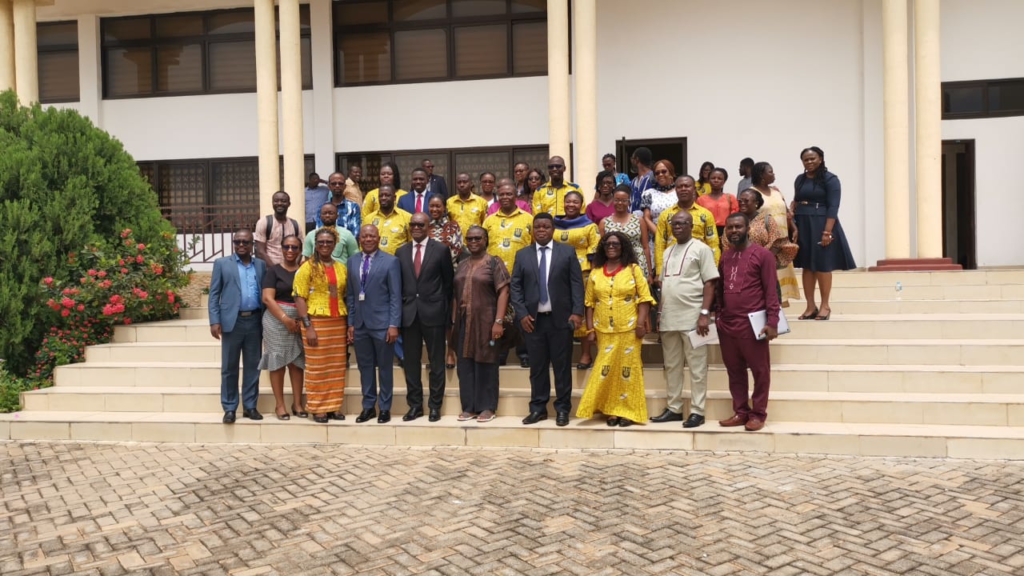
ISSER stresses the urgent need to invest in women's political campaigning to foster gender equality in the political sphere.
In the economic sector, the report calls for the collection of gender-disaggregated data to establish a baseline for analysing gender disparities in the informal economy. This data will provide a starting point for addressing the structural disadvantages faced by women in economic activities.
To achieve comprehensive gender equality, the report highlights the importance of gender-disaggregated data across all sectors, including healthcare. It calls for data that reflects gender differences in healthcare patterns, types of medical services used, and the impact of treatments.
International research supports the existence of gender disparities in health, further highlighting the need for gender-specific data collection.
Further, the ISSER's report urges Ghana to prioritise gender equality through groundbreaking empowerment strategies, including increased investment in women's political campaigning.
The call for investment aims to address the gender disparities that persist in various aspects of Ghanaian society and create a more inclusive and equitable future for all.
Latest Stories
-
A source of excellence across generations – Vice President Opoku-Agyemang lauds Mfantsipim
56 minutes -
(Photos) Mfantsipim School launches historic 150th anniversary
1 hour -
Knights and Ladies of Marshall group backs Catholic Bishops’ stance on anti-LGBTQ+
2 hours -
Bright Simons writes: All the Filla in the Ibrahim Mahama/E&P – Gold Fields Saga
3 hours -
Monetise Idiocy In Ghana
3 hours -
The Ghanaian prophet and the mysterious death of his scottish wife Charmain Speirs
4 hours -
Nearly 400 sentenced in Nigeria for links to militant Islamists
4 hours -
Ghana’s recovery supported by gold strength despite global oil price pressures – Standard Bank Research
4 hours -
Methodist Church hails Mfantsipim@150; calls for “fresh consecration” to excellence
4 hours -
‘Excellence is our inheritance’ – Nana Sam Brew-Butler hails Mfantsipim’s 150-year reign in leadership
4 hours -
Kwaku Azar writes: A-G vs OSP
5 hours -
Mfantsipim–Adisadel rivalry built excellence, not division – Sam Jonah
5 hours -
Vice President launches Mfantsipim’s 150 years of shaping Ghana’s greatest mind
5 hours -
I assure Otumfuo, Mahama will join him to commission KNUST Teaching Hospital by end of this year – Haruna Iddrisu
6 hours -
Barcelona dominate derby to extend La Liga lead
6 hours