

Audio By Carbonatix
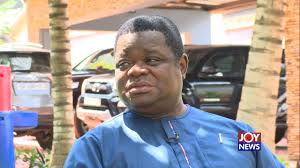
The Director of the Institute of Statistical, Social and Economic Research (ISSER), Prof Peter Quartey, has warned that the rising preference for black market and forex bureau transactions is fuelling under-invoicing and tax evasion in Ghana.
Speaking on Joy FM’s Super Morning Show on Monday, July 21, Prof Quartey cautioned that many importers and traders deliberately avoid the formal banking system to conceal the true value of their transactions and evade taxes.
“Unfortunately for our brothers and sisters in the Ghana Union of Traders' Associations (GUTA) and the rest, they prefer to transact in cash. They don’t want to use the banking system because when you do that, government can track the value of your imports, so you pay the appropriate taxes,” he explained.
“So, they prefer to deal in the black market, deal in physical cash, where issues of under-invoicing and all those can happen so they beat how much tax they pay. That is the problem,” Prof Quartey added.
No Dollar Shortage in Banks
His comments come in response to recent complaints from business operators, particularly importers, who claim there is a shortage of US dollars in the banking system.
Prof Quartey dismissed those claims, clarifying that there is no scarcity of foreign currency in the formal sector. According to him, banks are encouraging electronic transfers and cheque payments over large-scale cash withdrawals to improve safety and financial accountability.
“If you have an account and you want to import with all the necessary documentation, there is no problem—there is no limit on how much you can pay. It is only those who insist on physical cash without having deposited any, that are having difficulties,” he explained.
Call for Transparency
Prof Quartey urged traders, importers, and exporters to use the regulated banking system to ensure transparency and support national revenue mobilisation efforts.
He emphasised the need for collective education and awareness to promote cashless transactions and reduce reliance on informal forex markets, which, he warned, distort the economy and undermine tax collection.
“We are saying we are moving cashless, yet people want to trade in forex using huge sums of physical cash. It is not safe and it is not sustainable,” he cautioned.
Prof Quartey’s remarks come at a time when the government is intensifying efforts to clamp down on tax evasion and illicit financial flows.
Latest Stories
-
I assure Otumfuo, Mahama will join him to commission KNUST Teaching Hospital by end of this year – Haruna Iddrisu
4 minutes -
Gov’t to roll out free special education for persons with disabilities from July 1 – Education Minister
26 minutes -
“We used it to test our officiating officials’ readiness” – Bawah Fuseini after CAA Athletics event
52 minutes -
Volleyball emerges as Ghana’s fastest rising sport
59 minutes -
National Sports Fund needs strong leadership from the top – Administrator David Wuaku
1 hour -
JoySports Exclusive: Steve McLaren in talks with GFA after expressing interest in Black Stars job
1 hour -
Fire guts auto parts warehouse at Bubuashie, one fire officer injured
2 hours -
I owe my victory to coach Ofori Asare – Allotey after winning WBA Africa Gold Super Flyweight belt
2 hours -
Church of Pentecost supports over 2,000 BECE candidates in Obuasi with career guidance seminar
3 hours -
Brandon Asante and Coventry all but promoted to Premier League despite Sheffield Wednesday draw
4 hours -
GPL 2025/26: Late Kwartemaa strike downs Hearts in Tema
4 hours -
Ghana Faces Sierra Leone Moment as Prosecutorial Powers come under strain
4 hours -
Don’t consume fish or seafood from Tema Shipyard until further notice – FDA warns
4 hours -
Why volunteering might be Africa’s most underrated career accelerator
4 hours -
ActionAid Ghana raises concern over gender gaps in Feed Ghana Programme
4 hours