

Audio By Carbonatix
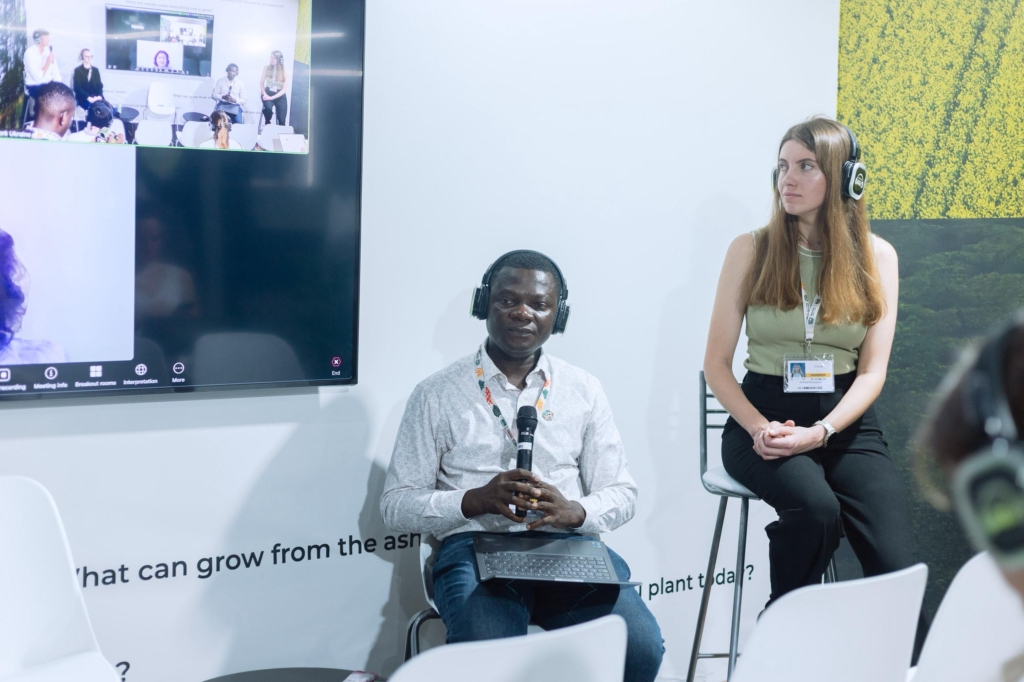
The Jospong Group is demonstrating how Ghana's private sector can successfully transition from carbon market readiness to tangible climate action, according to the General Manager of the Jospong Green Transition Office, Ing. Dr. Glenn Kwabena Gyimah.
Speaking during a World Climate Foundation panel discussion on the sidelines of the COP30 Brasil Amazonia, Belem climate summit on Friday, November 14, Dr. Gyimah revealed how the company has leveraged Ghana's Article 6 framework to drive both environmental and social impact.

"The clarity brought by Ghana's Carbon Market Office and National Authorization Framework transformed carbon markets from a policy discussion into a viable business opportunity," he stated.
He outlined the JGC's significant progress since 2024, highlighting five key implementation milestones.
"We have successfully integrated our project portfolios with Ghana's National Carbon Registry, making our composting, landfill gas recovery, and clean cooking initiatives among the first to be officially tracked in the national system," he explained.
He underscored that Jospong Group's approach goes beyond mere carbon credit generation.
"For us, participation in carbon markets represents a fundamental redefinition of the private sector's role in national development," he noted.
"Every ton of carbon we mitigate must tell a social story – creating green jobs, improving agricultural yields through organic fertilisers, and enhancing urban air quality."
Addressing the practical challenges of implementation, Dr. Gyimah acknowledged initial hurdles but highlighted progressive solutions. "While we faced complex MRV protocols and high verification costs initially, through public-private dialogue we've developed workable solutions that maintain both environmental integrity and investment viability," he said.
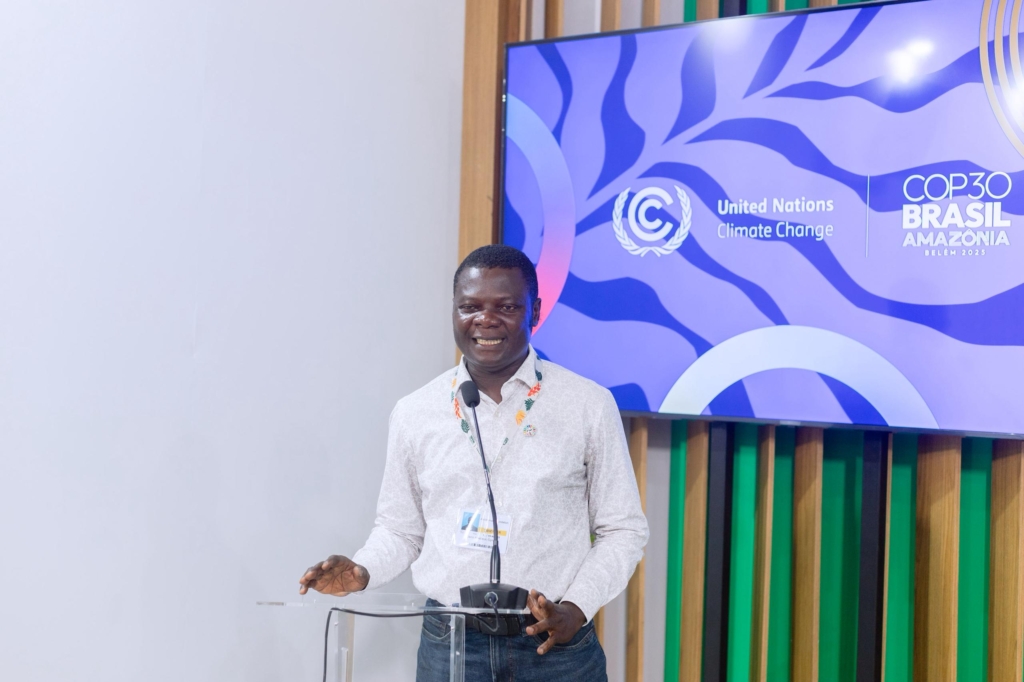
Dr. Gyimah outlined four emerging models that are shaping Ghana's carbon market landscape, stressing particularly the importance of community engagement. "Our community benefit-sharing model ensures that carbon revenue is reinvested in local development – supporting schools, clean water, and reforestation initiatives," he elaborated.
The Jospong executive concluded with a forward-looking perspective, stating, "Our experience demonstrates that when government and business work in synchronization, carbon markets become more than just transaction platforms – they evolve into powerful instruments for sustainable national development and green growth."
Latest Stories
-
Ghana hosts IPCC meeting on people-centered climate adaptation
1 minute -
Spiritualist arrested over suspected murder of woman in Awutu Senya
3 minutes -
NYA partners iYES 2026 to inspire youth towards transgenerational impact
4 minutes -
Minority urges Israeli envoy to ensure safety of Ghanaian peacekeepers
24 minutes -
Nkoranza Secondary High Technical wins 2026 Cowbell-GES Independence Day Debate
26 minutes -
South African Tourism blends sport, diplomacy and destination marketing at Accra Polo Independence Match
31 minutes -
Fidelity Bank bridges market gap for young entrepreneurs with expanded Orange Market
32 minutes -
South African Tourism strengthens elite business and lifestyle ties at Accra Polo Independence Match
42 minutes -
Police seek A-G advice in GH¢7.5m robbery case
47 minutes -
25,000 youth failed to attend security support programme interviews – Interior Minister
53 minutes -
Driver granted bail over auto fraud
57 minutes -
Ketu North MP Scholarship Scheme to honour second cohort of beneficiaries
1 hour -
Minority seeks answers over Mahama’s use of chartered jet for foreign trips
1 hour -
Lands Ministry rolls out reforms
1 hour -
CDD, NCCE forum reviews Ghana’s draft political finance law
1 hour