

Audio By Carbonatix
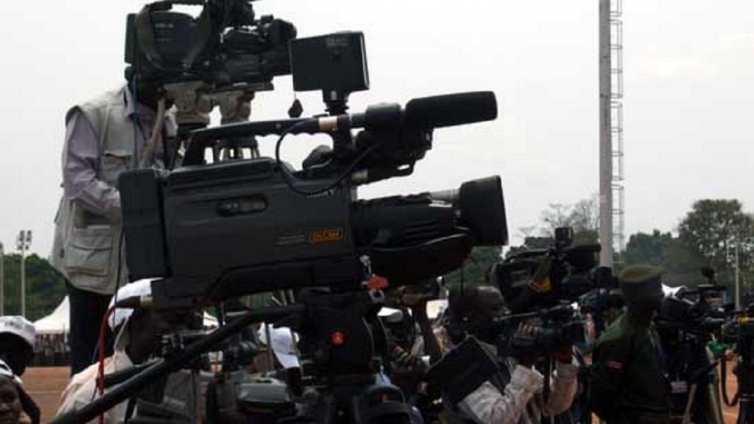
Journalism is often considered the fourth estate, a cornerstone of democracy and this is no different in Ghana. Let's forget the senseless attack on a media house recently.
In Ghana - a country celebrated to some extent for its press freedom and vibrant media landscape - journalists play a crucial role in disseminating information, holding power to account, and shaping public opinion.
However, the job of a journalist is not without its challenges. Every day, journalists face numerous stressors that can take a toll on their mental well-being.
As we mark World Mental Health Day today, let's explore the realities of Ghanaian journalists and the importance of nurturing their mental health in the face of these challenges.
Journalists are confronted with a myriad of demands in their profession. These demands include tight deadlines, the need for accuracy, dealing with sensitive or distressing news stories, and often, navigating political and social pressures. And in Ghana, the last two take a different dimension if you ask any journalist worth their salt.
Additionally, the proliferation of digital media has amplified the pace of news reporting, putting even more pressure on journalists to produce content quickly. This constant demand for rapid output can result in chronic stress, burnout, and a host of mental health challenges.
One of the unique challenges faced by journalists is the need to report on traumatic events, such as accidents, natural disasters, and violent conflicts. Witnessing and covering these events can have a profound psychological impact on journalists.
They may experience symptoms of post-traumatic stress disorder (PTSD), including nightmares, flashbacks, and emotional numbness. However, the nature of their job often requires that one continues reporting on such events, which can compound one's mental health struggles.
Ghanaian journalists also operate in a dynamic political landscape. Elsewhere, there are systems in place that protect the journalist. We have some institutions in place, but as to whether the journalists have trust in them and their independence is another issue. They may face threats, intimidation, or backlash from powerful individuals or organisations when reporting on issues that challenge the status quo. I think we can add political hoodlums and fanatics to the group.
These pressures can manifest as anxiety, fear, and self-censorship, as journalists attempt to protect themselves and their careers. If you don't have a media organisation that can sometimes give you the needed protection, then it becomes a nightmare. The fear of reprisals can make it challenging for a journalist to report objectively and fearlessly.
You speak to some journalists who feel powerless in the face of adversity. They would want media organisations to recognise the importance of mental health support for their employees. Their stress levels will ease if their companies implement employee assistance programs, which provide counselling and mental health resources. Additionally, journalists often rely on their tight-knit community for emotional support and camaraderie.
Individual coping mechanisms also play a significant role in helping journalists manage stress. These may include exercise, mindfulness, and seeking therapy or counselling. Some journalists use their craft as a form of catharsis, channelling their emotions and experiences into their work.
To safeguard the mental well-being of those in the thankless job of holding duty bearers to task, I would suggest the following:
Mental Health Training: Journalists should be provided with training on recognising and managing stress and trauma. This can help them build resilience and cope with the emotional toll of their work.
Access to Support: Media organisations should ensure that their employees have access to mental health resources, including counselling and therapy. Creating a safe space for journalists to discuss their feelings and experiences is essential.
Advocacy and Protection: Civil society organisations and the government should advocate for the protection of journalists' rights and safety. When journalists feel secure in their work, they are more likely to report without fear. I know this is very contentious but it must be said.
Breaking the Stigma: Promote open conversations about mental health within newsrooms. Encourage journalists to seek help when needed and not perceive it as a sign of weakness.
Journalists are the backbone of the country's democracy, tirelessly working to inform the public and hold power to account. However, their mental well-being is often at risk due to the demands and challenges of their profession.
It is imperative that media organisations, civil society, and the government take proactive steps to support and protect the mental health of these dedicated professionals. By doing so, we ensure that journalists can continue their crucial work with resilience and integrity, ultimately benefiting the nation as a whole.
Latest Stories
-
Total number of jobs advertised increased 32% year-on-year to 3,578 in 7 months of 2026
15 minutes -
KNUST to receive 2,000 additional laptops for One Million Coders Programme
18 minutes -
President Mahama urges churches to provide safe spaces for children and vulnerable people
23 minutes -
George Dadzie Junior highly tipped in NDC regional secretary race due to grassroots experience
32 minutes -
Passenger arrivals at airport improved by 23% in first 7 months of 2026
34 minutes -
Aklerh returns to reggae roots with new single ‘Wo Dor’
35 minutes -
Stacy Mense’s ‘W’ahyira Me’ gains airplay on radio, digital platforms
44 minutes -
Economic activities mixed in 7 months of 2026; Cement sales decline by 10%
47 minutes -
GFA and Sports Ministry must not rush Black Stars head coach appointment – Nana Fitz
54 minutes -
Nkrumah Showboy: Chief Moomen’s play to explore Ghana’s first President’s early years
1 hour -
SEC to develop Social Bond Guidelines; over half of listed firms report on ESG indicators
1 hour -
Insurance firms have up till January 2027 to incorporate ESG in financial reporting
1 hour -
High Court throws out Afenyo-Markin’s GH¢15m defamation suit against Sammy Gyamfi
2 hours -
Rollover cost of T-bills reduced substantially, one-year bill yield drops 19% since December 2024
2 hours -
Daily Insight for CEOs: Preparing for 2027 Board and Executive Conversations
2 hours